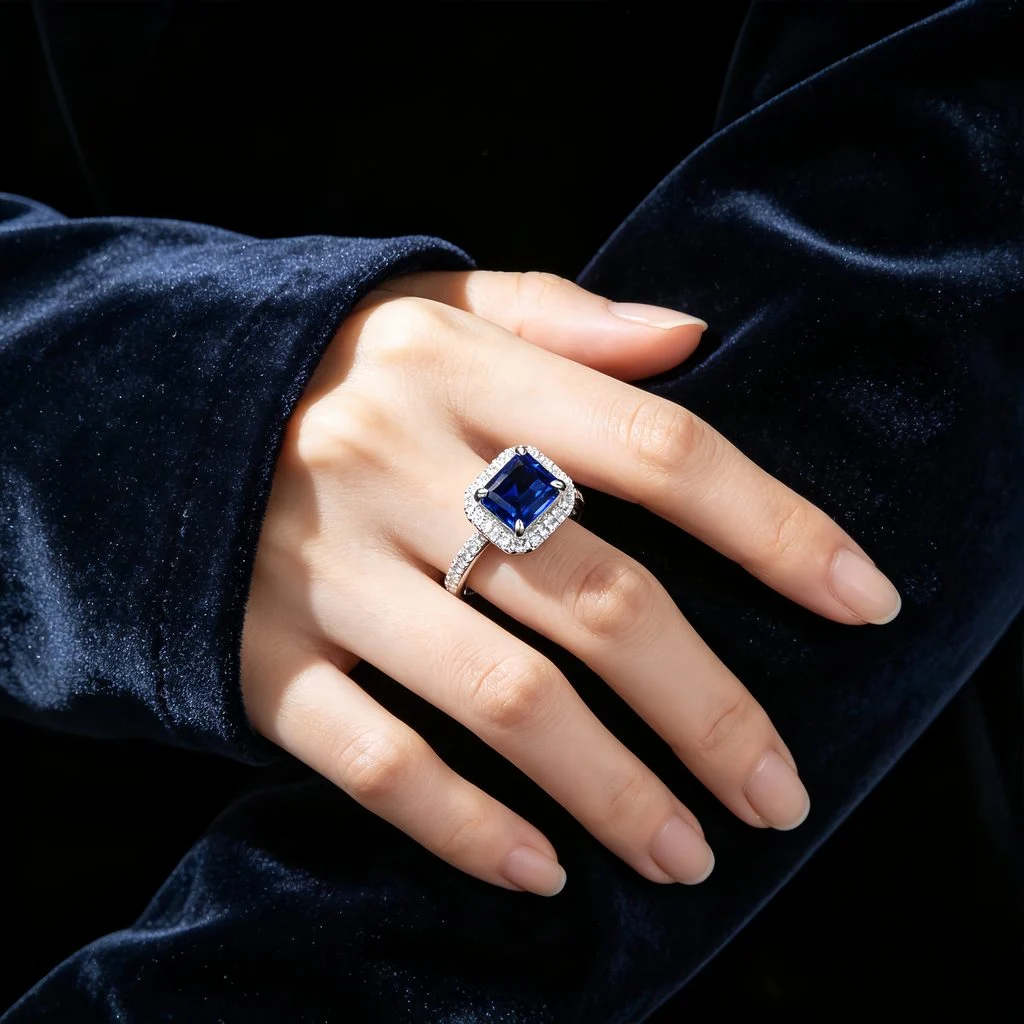
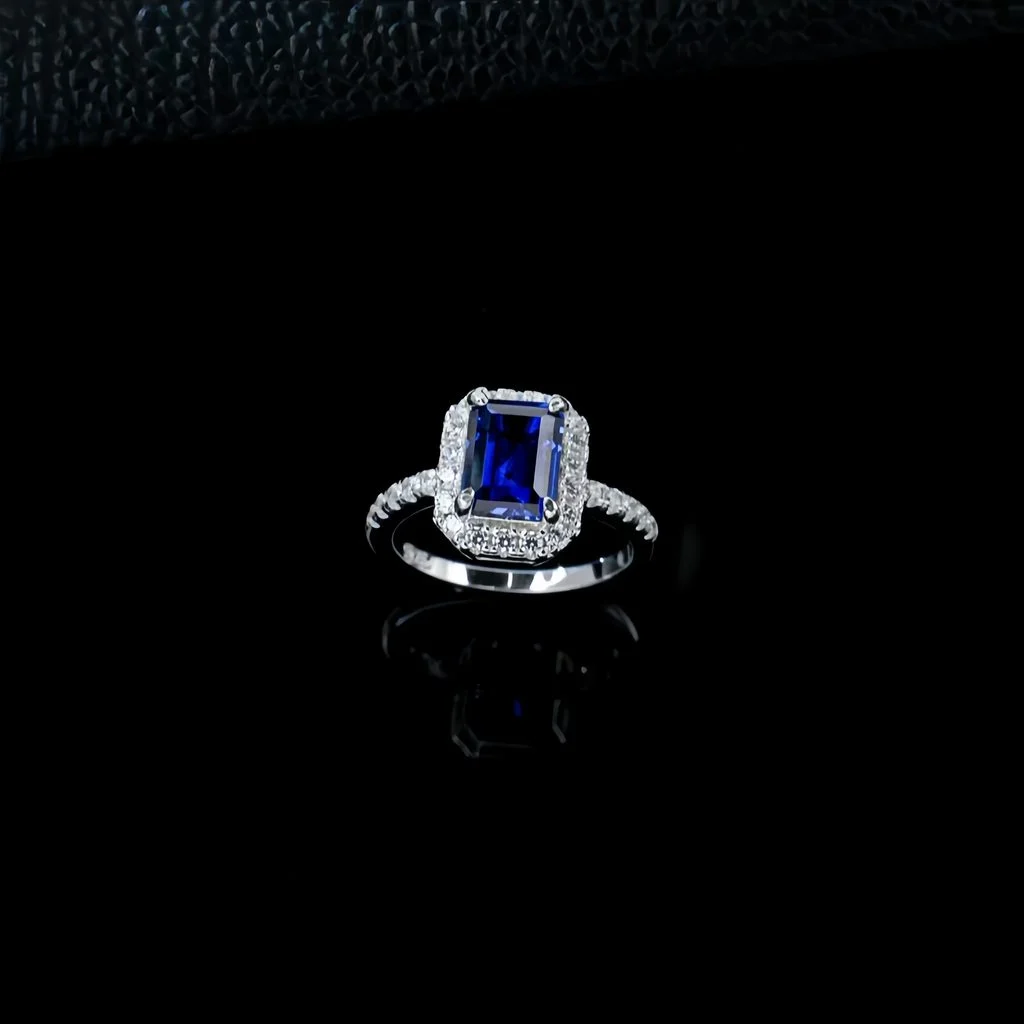
Lab Grown Sunflower Halo Ruby Ring: Buying Guide, Styling Tips, and FAQ

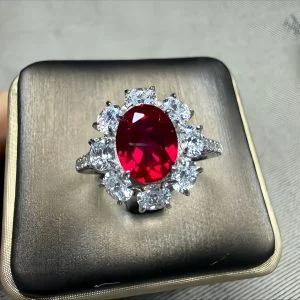
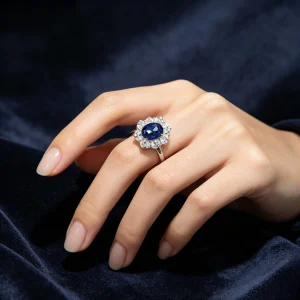
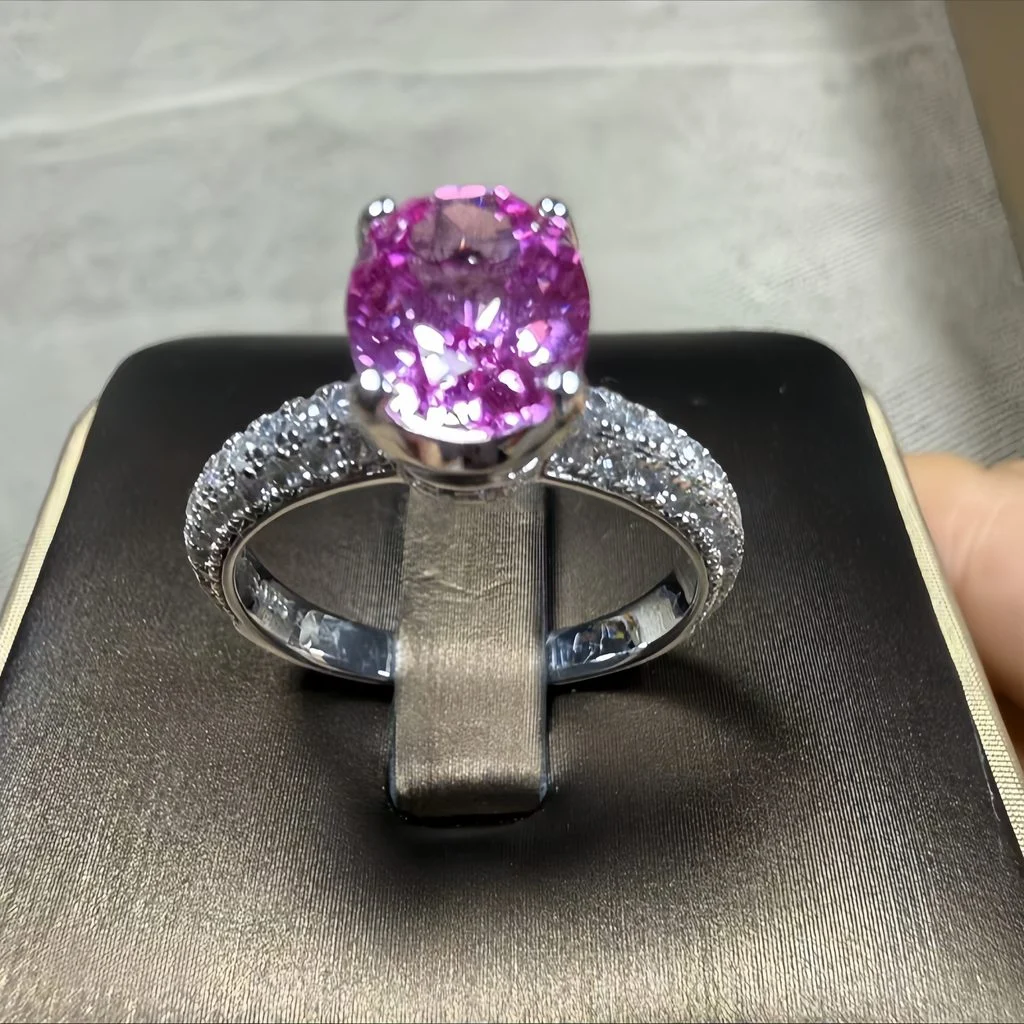
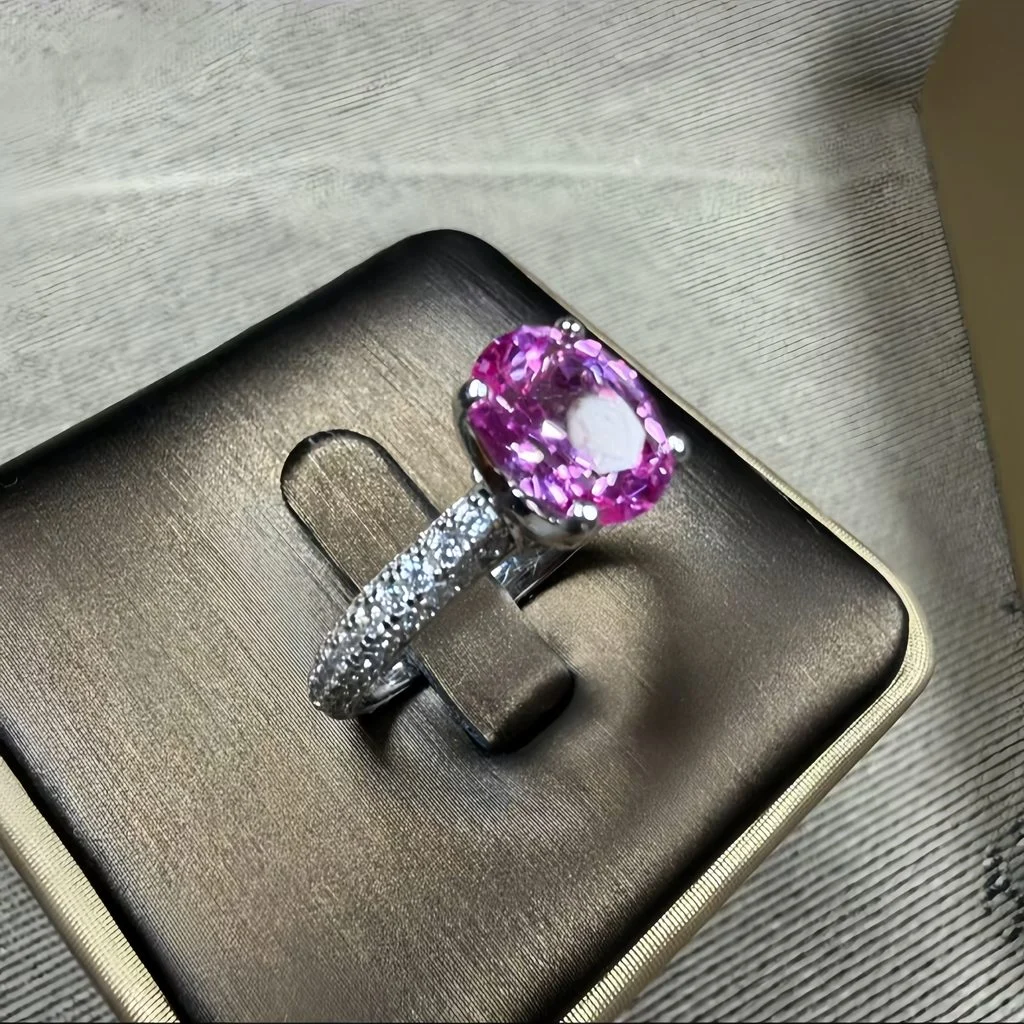
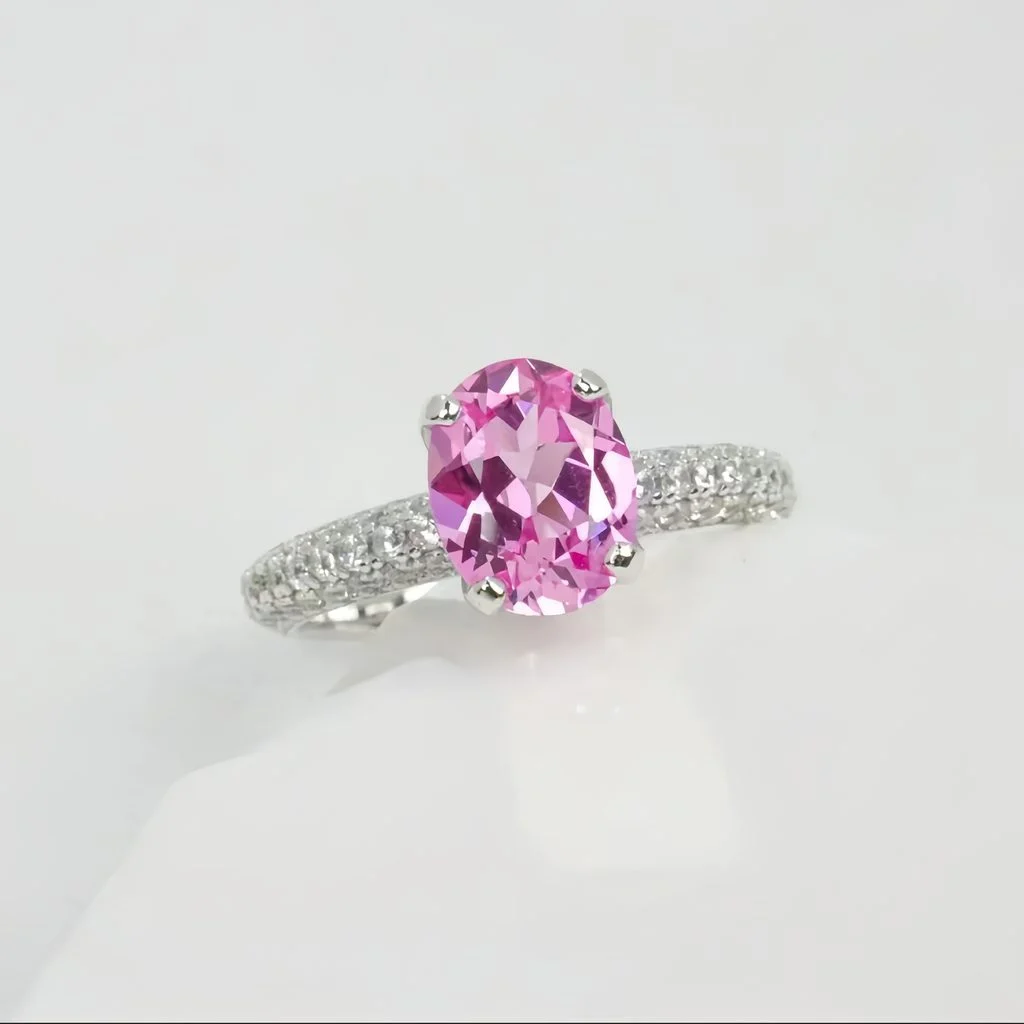
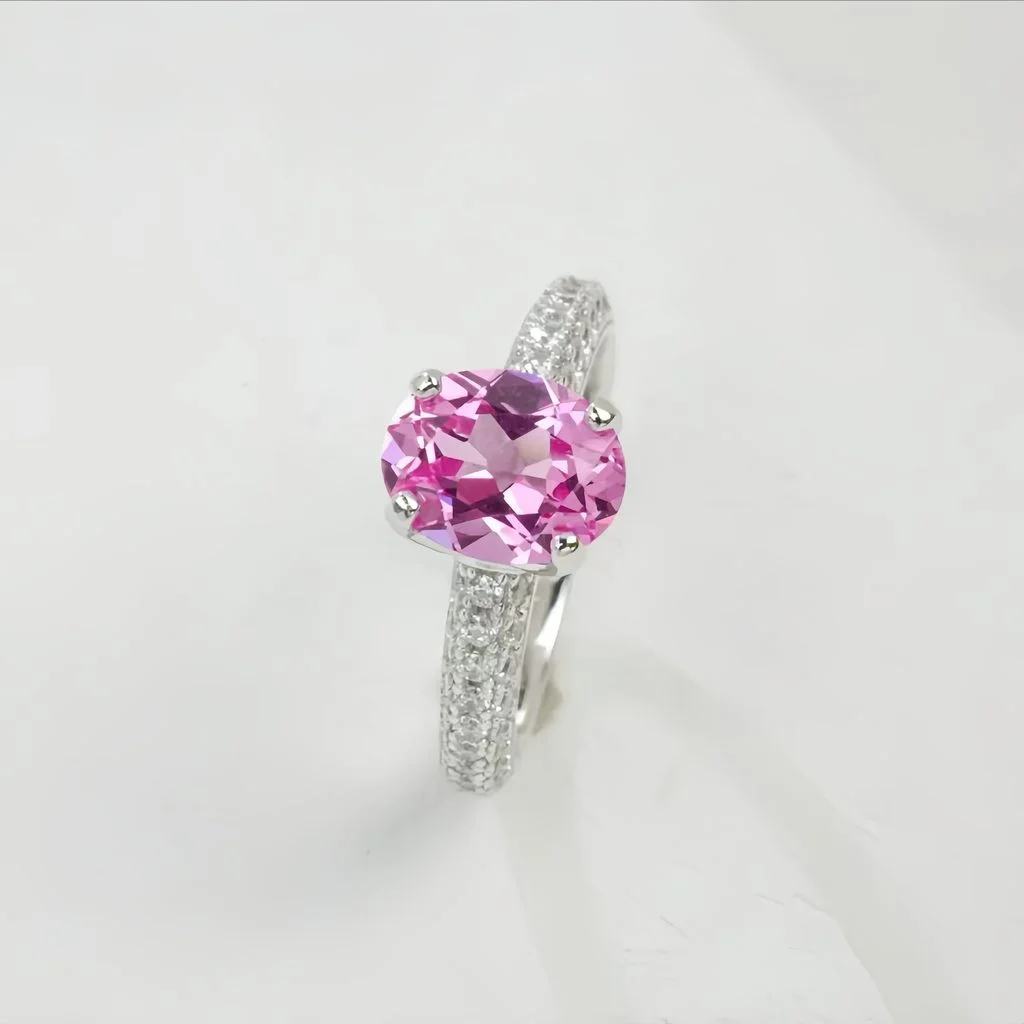
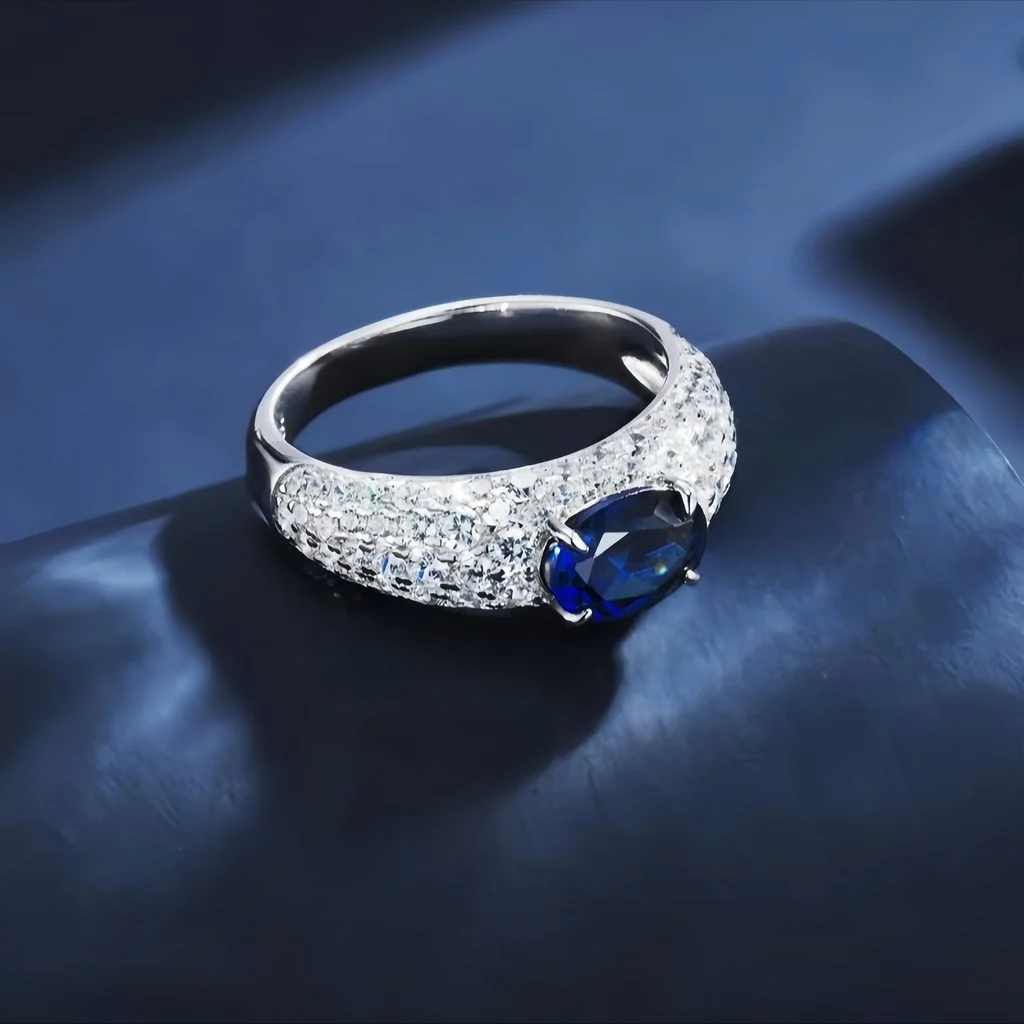
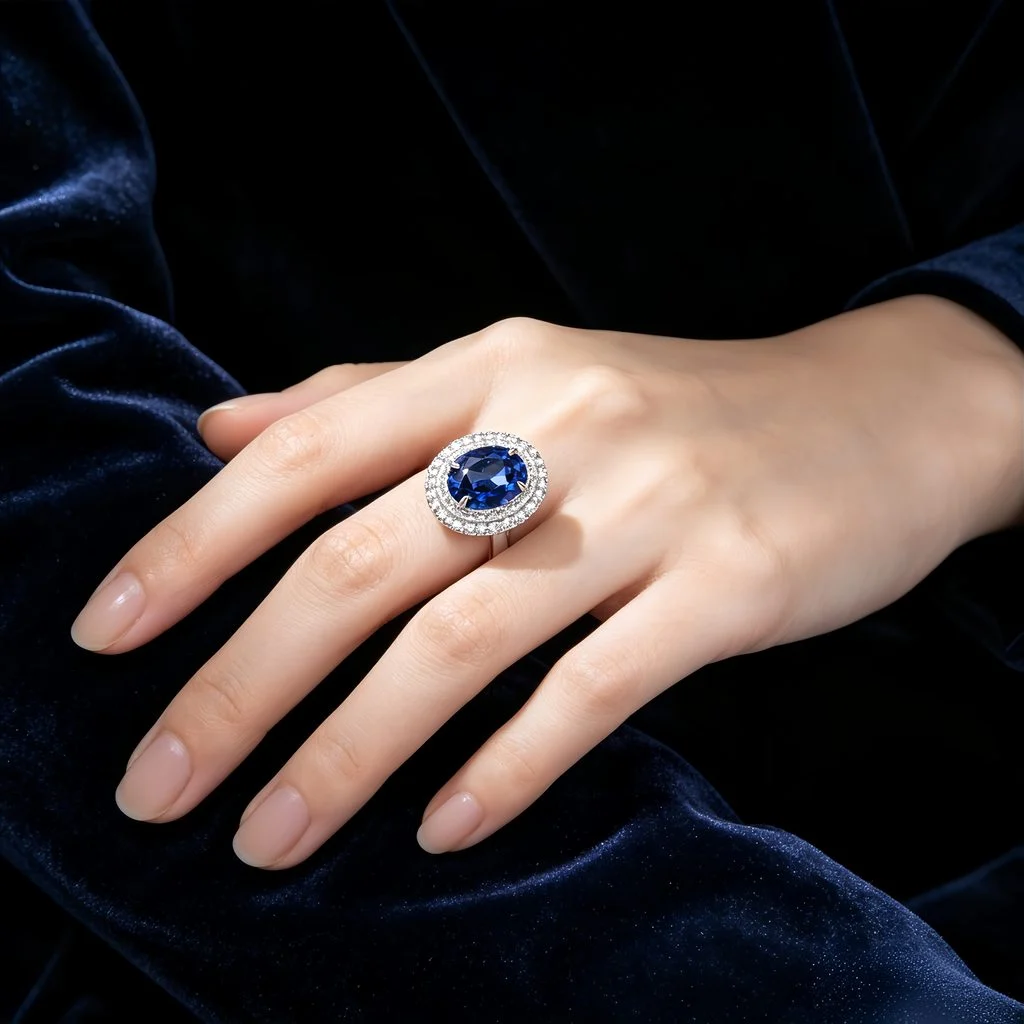
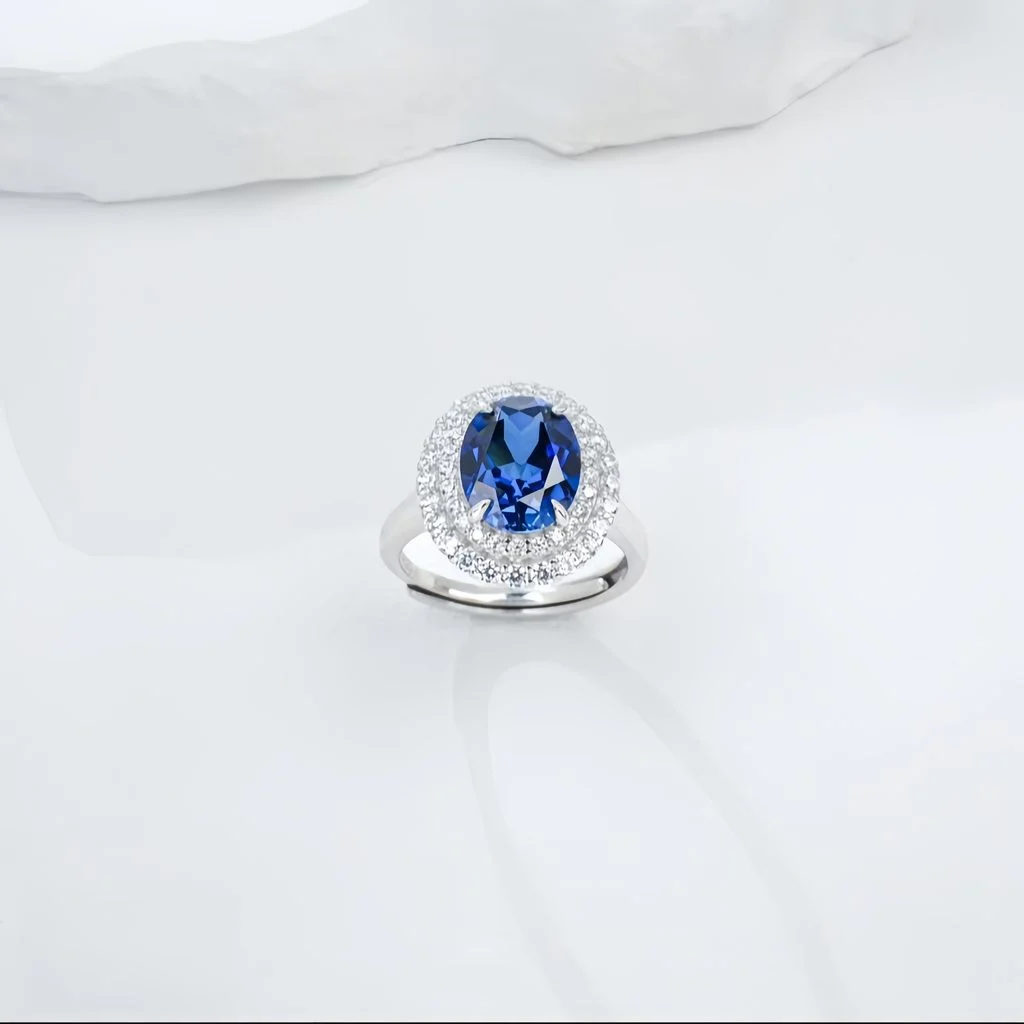
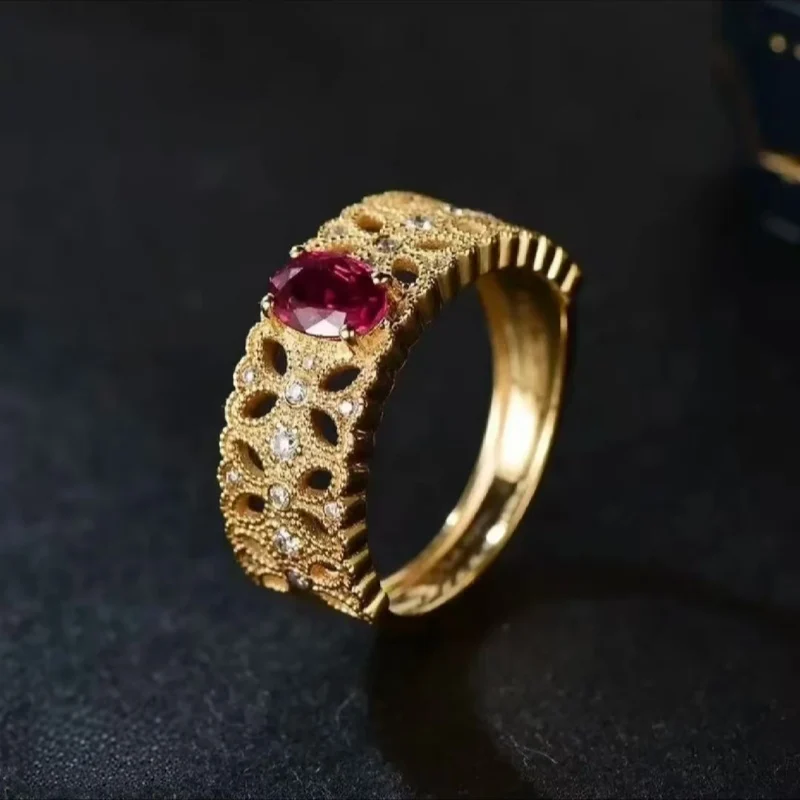
A sunflower halo ring is one of the most eye-catching designs in floral inspired jewelry, combining a vivid center stone with radiating petal-shaped accents for maximum brilliance. The lab grown ruby sunflower ring takes this concept further by pairing a rich red oval ruby with eight pear-shaped lab grown diamond accents, all set in S925 sterling silver with an adjustable open band. The result is a piece that looks like a blooming flower frozen in silver and fire. In short, Lab Grown Sunflower Halo is the deciding factor for most buyers.
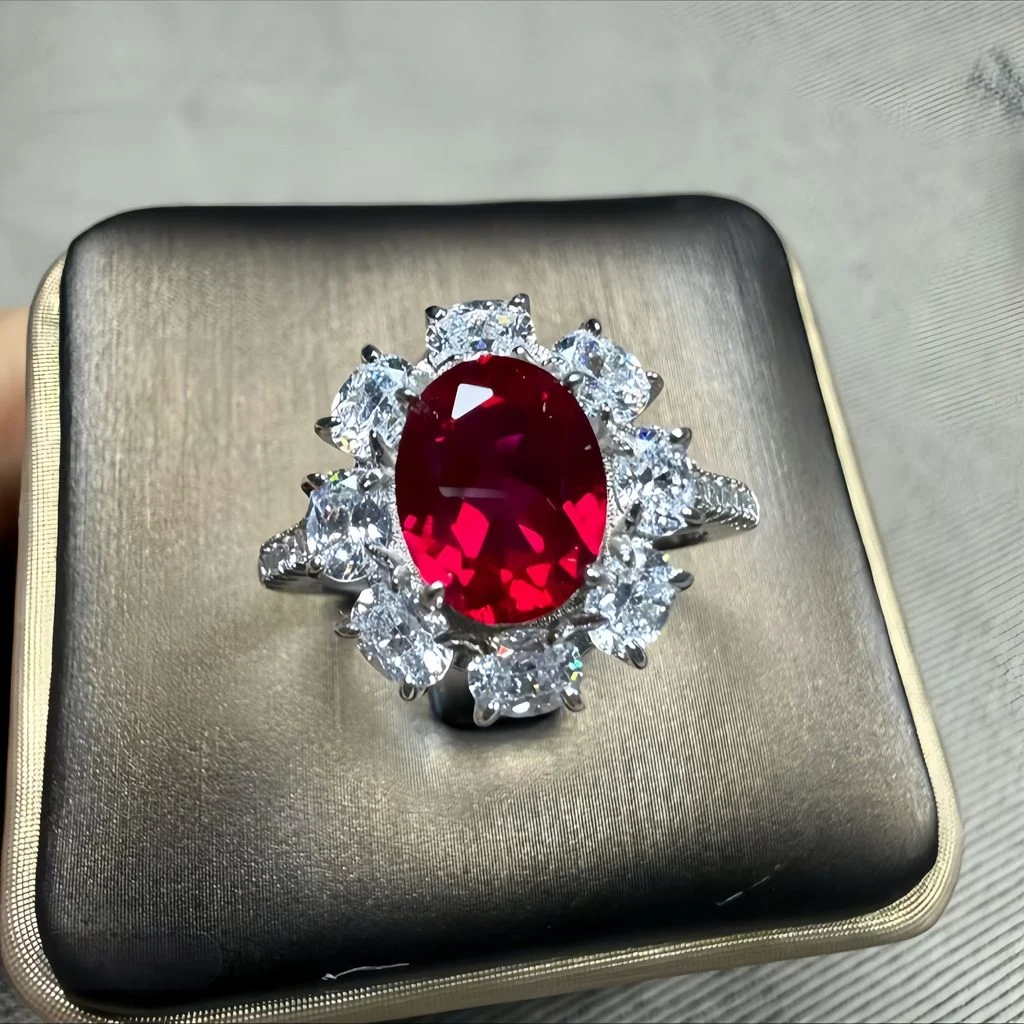
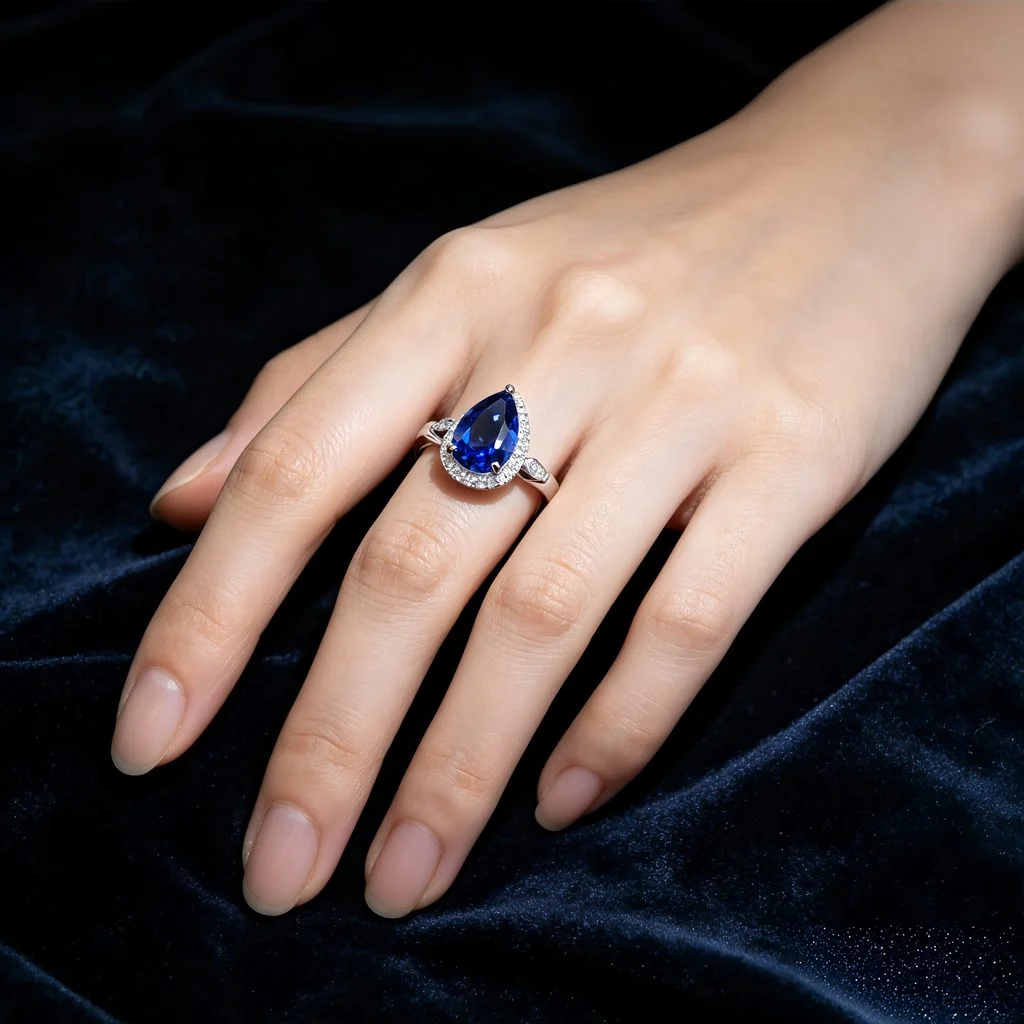
lab grown sunflower halo ruby ring S925 sterling silver oval cut red gemstone pear shaped diamond accents adjustable open band

Buying Tips: What to Look for in a Sunflower Ruby Ring

Therefore, The center stone is the heart of any sunflower ring, and a lab grown ruby offers exceptional value. Look for a stone with vivid red saturation, good transparency, and minimal inclusions visible to the naked eye. The oval cut is ideal because it maximizes the surface area of the ruby while creating an elongated shape that flatters the finger. A well-cut oval ruby will show even color distribution and bright red flashes when moved under light.

Moreover, The sunflower halo design depends on the quality and arrangement of the accent stones. In this ring, eight pear-shaped lab grown diamonds radiate outward from the center ruby, mimicking the petals of a sunflower. The pear shape is critical because its pointed end creates clean lines between petals while its rounded end adds fullness to the overall silhouette. When evaluating a sunflower ring, check that the pear-shaped stones are evenly spaced and consistent in size, as uneven gaps disrupt the floral symmetry.

In addition, The metal choice affects both appearance and comfort. S925 sterling silver provides a bright, cool-toned backdrop that makes the red ruby and white diamond accents stand out. Silver is also hypoallergenic and nickel-free, making it suitable for sensitive skin. The main advantage of sterling silver over white gold or platinum is cost. You get the same visual effect at a fraction of the price, leaving more budget for gemstone quality.
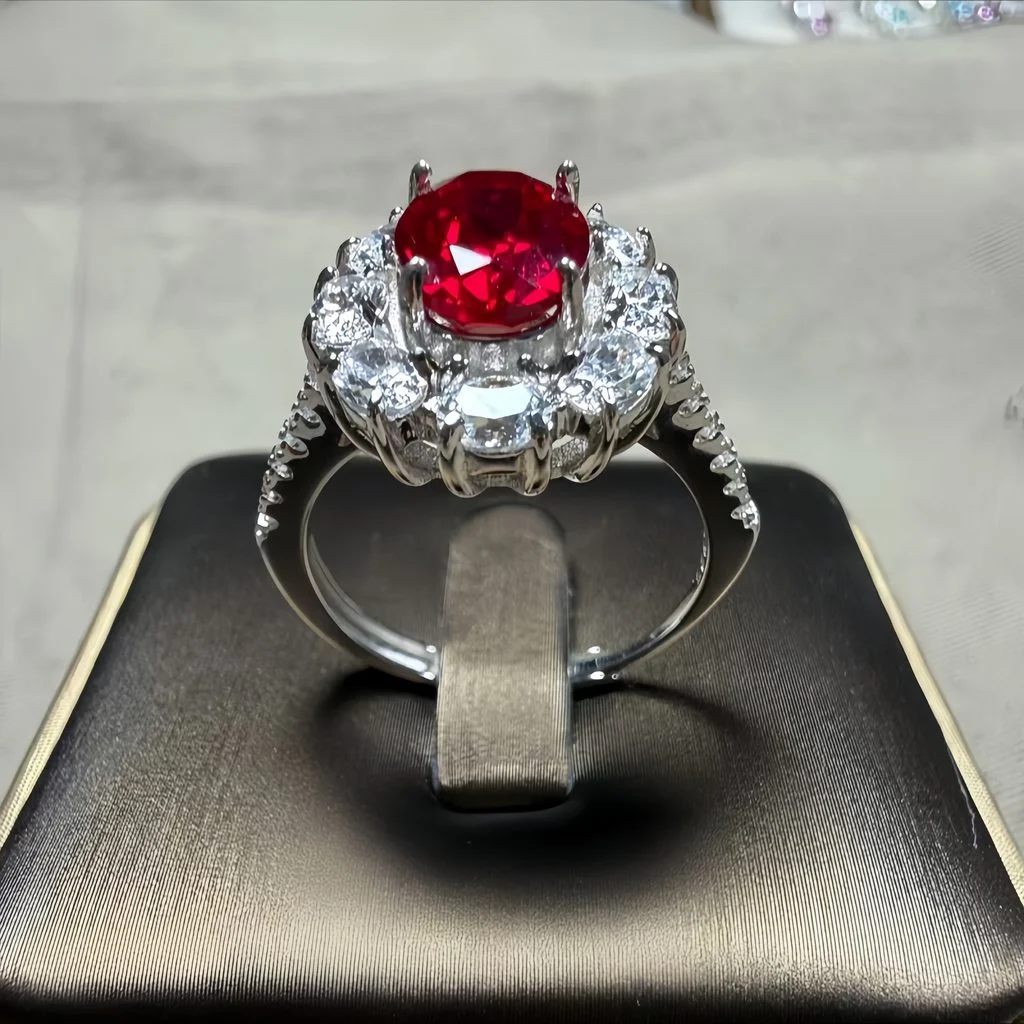
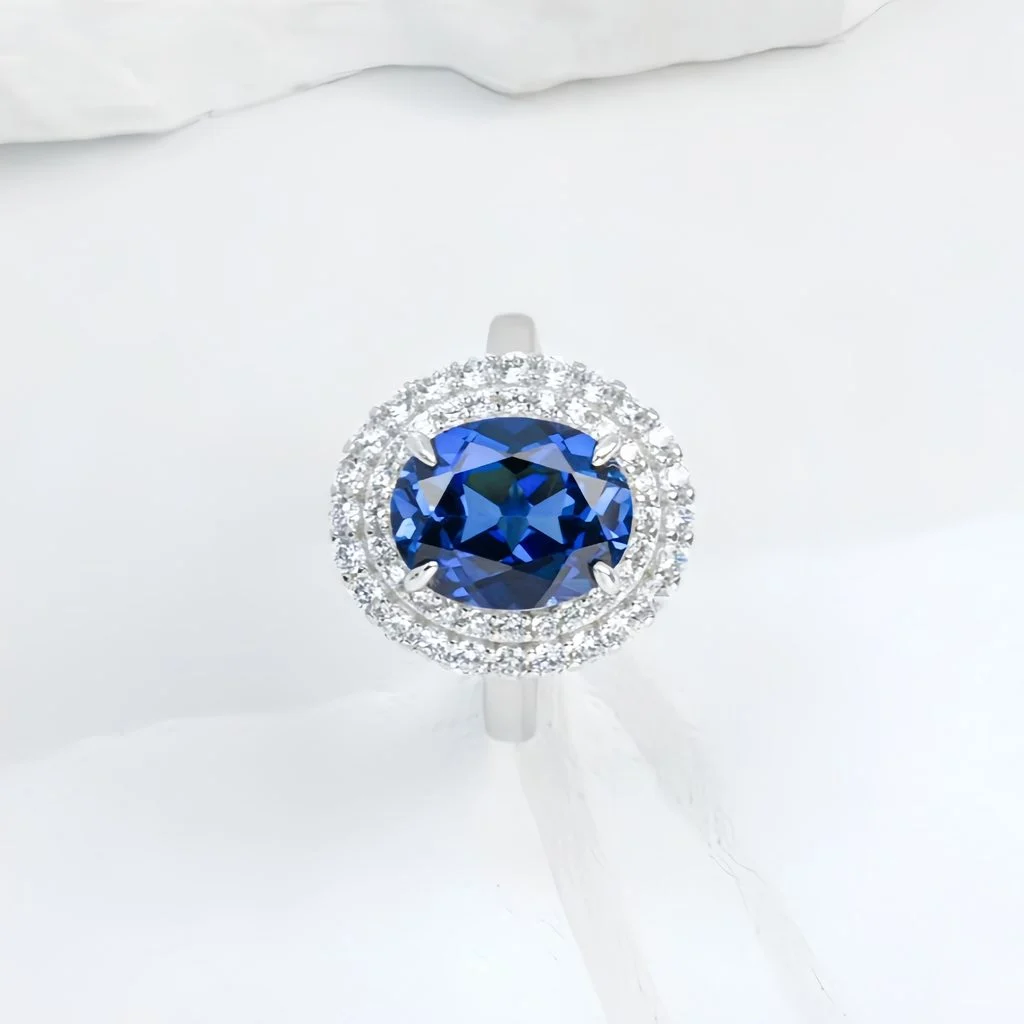
lab grown sunflower halo ruby ring S925 sterling silver top-down flat lay view oval cut red gemstone pear shaped diamond petals jewelry box

For example, Here is a comparison of ruby ring options to help you decide:

FactorLab Grown RubyMined RubyRed Spinel
ColorVivid red, consistentVaries by originRed to pinkish red
Hardness9 Mohs9 Mohs8 Mohs
ClarityEye-clean, fewer inclusionsTypically includedOften eye-clean
TreatmentNone neededUsually heat-treatedUsually untreated
PriceAffordablePremium to ultra-premiumModerate
Ethical SourcingGuaranteed conflict-freeDepends on originDepends on origin
FluorescenceStrong red fluorescenceVaries by originWeak to none
Best ForEveryday luxury, ethical buyersCollectors, investmentBudget alternative

How to Wear: Styling Your Sunflower Ring

The Sunflower Halo Creates A Bold Dimensional

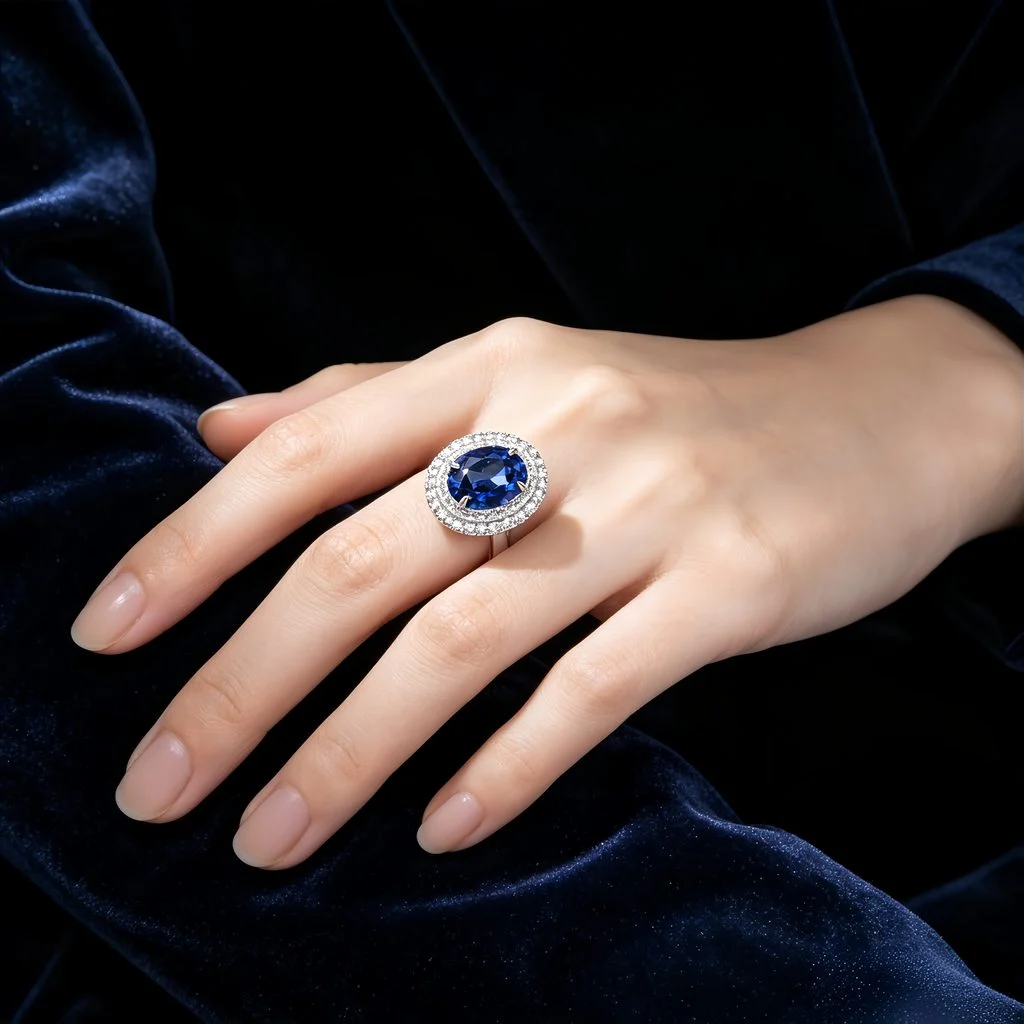
Consequently, The sunflower halo creates a bold, dimensional silhouette that works as a standalone statement piece. Wear it on the right hand for a striking everyday look, or on the ring finger as an unconventional engagement ring. The floral design pairs beautifully with both warm and cool wardrobe tones. Try it with cream, ivory, and blush outfits to echo the romantic floral theme, or contrast it with navy, black, and charcoal for a dramatic evening look.
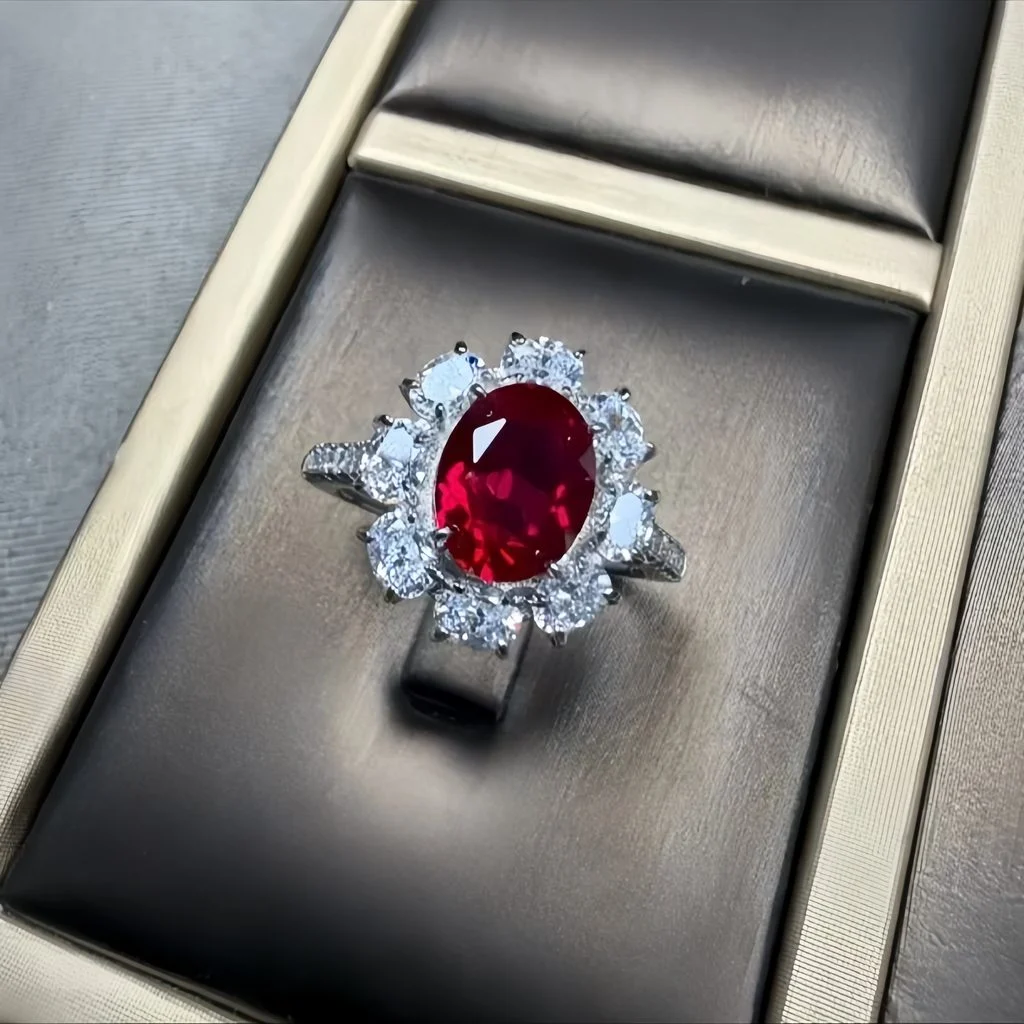
 lab grown sunflower halo ruby ring S925 sterling silver detail close-up oval cut red gemstone pear shaped diamond petals prong setting floral design

The adjustable open band design is one of the most practical features of this ring. You can gently squeeze or expand the band to fit any finger, which makes it ideal if you are between sizes or plan to wear the ring on different hands. When adjusting, hold the band at the shank rather than the sunflower setting to avoid putting pressure on the prongs. Once you find your fit, the band holds its shape securely for comfortable daily wear.

For special occasions, let the sunflower ring be the focal point of your jewelry stack. Pair it with simple silver stud earrings or a delicate chain necklace. Avoid wearing it next to wide bands or other large rings, as the pear-shaped diamond petals can catch on neighboring metal edges.
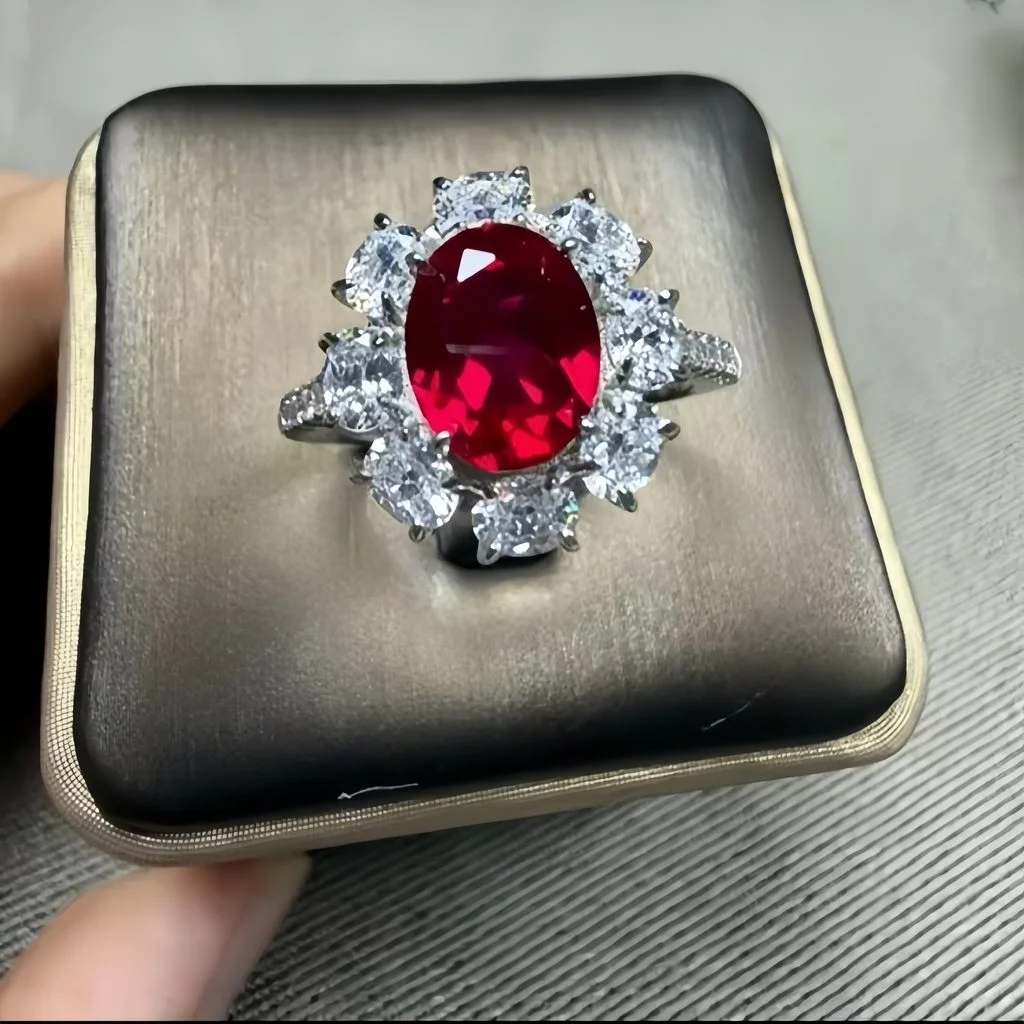
 lab grown sunflower halo ruby ring S925 sterling silver displayed on cushion oval cut red gemstone pear shaped diamond petals adjustable open band

Care and Maintenance

Ruby ranks 9 on the Mohs hardness scale, second only to diamond, making it durable enough for daily wear. However, the sunflower halo setting elevates the center stone and accent diamonds above the band, so the prongs can catch on fabrics. Remove the ring before pulling on tight sweaters, gloves, or scarves. Also take it off before swimming, exercising, or using cleaning chemicals.

Clean The Ring Every Two Weeks With

Clean the ring every two weeks with warm soapy water and a soft-bristled brush. Gently scrub around each pear-shaped diamond and the gaps between the petals to remove lotion and oil buildup that can dull the stones. Rinse thoroughly and dry with a microfiber cloth. Store the ring separately in a soft pouch to prevent the sterling silver from scratching other jewelry and to minimize tarnishing. If the silver develops a patina, use a silver polishing cloth to restore the shine.

FAQ:

Q: Is a lab grown ruby a real ruby? A: Yes. Lab grown ruby has the same chemical composition, crystal structure, hardness, and optical properties as mined ruby. The only difference is origin. Lab grown ruby is created in a controlled environment rather than extracted from the earth.

Q: What is a sunflower halo setting? A: A sunflower halo setting uses pear-shaped or round accent stones arranged radially around a center stone, mimicking the petals of a sunflower. This design creates a bold, dimensional floral silhouette that maximizes the visual size and sparkle of the ring.

Q: Can I wear this ring every day? A: Yes. Ruby has a Mohs hardness of 9, making it durable enough for daily wear. The S925 sterling silver band is sturdy, and the adjustable open band holds its shape once set. Just remove the ring before heavy manual work, swimming, or using harsh chemicals.

Q How Does The Adjustable Open Band

Q: How does the adjustable open band work? A: The open band has a small gap in the shank. You can gently squeeze the band to make it smaller or pull it apart slightly to make it larger. This allows for a half-size adjustment in either direction. Once you find your fit, avoid repeated adjustments to prevent metal fatigue.

Q: Will the sterling silver tarnish over time? A: Sterling silver naturally develops a patina with exposure to air and skin oils. This is normal and can be removed with a silver polishing cloth. Regular cleaning every two weeks keeps the metal bright and the diamond accents sparkling.

Q: Is this ring suitable as an engagement ring? A: Absolutely. Ruby engagement rings have grown in popularity as couples seek colorful alternatives to traditional diamond solitaires. The sunflower halo design adds romantic symbolism, and the lab grown ruby offers ethical sourcing at an accessible price point.

Q: What is the advantage of pear-shaped diamond accents in a sunflower ring? A: Pear-shaped stones create pointed petal lines that define the sunflower silhouette more clearly than round stones. The pointed end fits neatly between petals, while the rounded end adds fullness to the overall design. This shape also catches light differently from each angle, creating a dynamic sparkle effect.

Q: How do I find the right size for an adjustable open band ring? A: Visit a jeweler for a professional measurement, or use a printable ring sizer. Measure at room temperature. With an open band, you have a half-size flexibility in either direction, so you can fine-tune the fit after receiving the ring. That is why Lab Grown Sunflower Halo keeps gaining attention in this category.

Related Articles

You Might Also Like

Frequently Asked Questions

Is Lab Grown Sunflower Halo worth buying?

Based on the breakdown in this article, Lab Grown Sunflower Halo offers a strong mix of craftsmanship, stone quality and price. If the style matches what you actually wear, it is a practical choice for everyday elegance or gifting.

How do I choose the right lab grown sunflower halo for my needs?

Start with the style you will really wear, then compare the stones (color, clarity, cut and carat), the metal type and the sizing options covered above. The right lab grown sunflower halo balances quality with your everyday look.

Are the stones in lab grown sunflower halo real?

Yes. Lab-grown stones are genuine gemstones created above ground with the same chemical, optical and physical properties as mined ones — usually at a lower price and with a smaller environmental footprint.

What if my lab grown sunflower halo does not fit?

Measure your finger at the end of the day when it is warmest, or check the size guide on the product page. Most rings can be resized by a local jeweler within a size or two.

Lab Grown Vintage Crown Emerald Ring: Buying Guide, Styling Tips, and FAQ

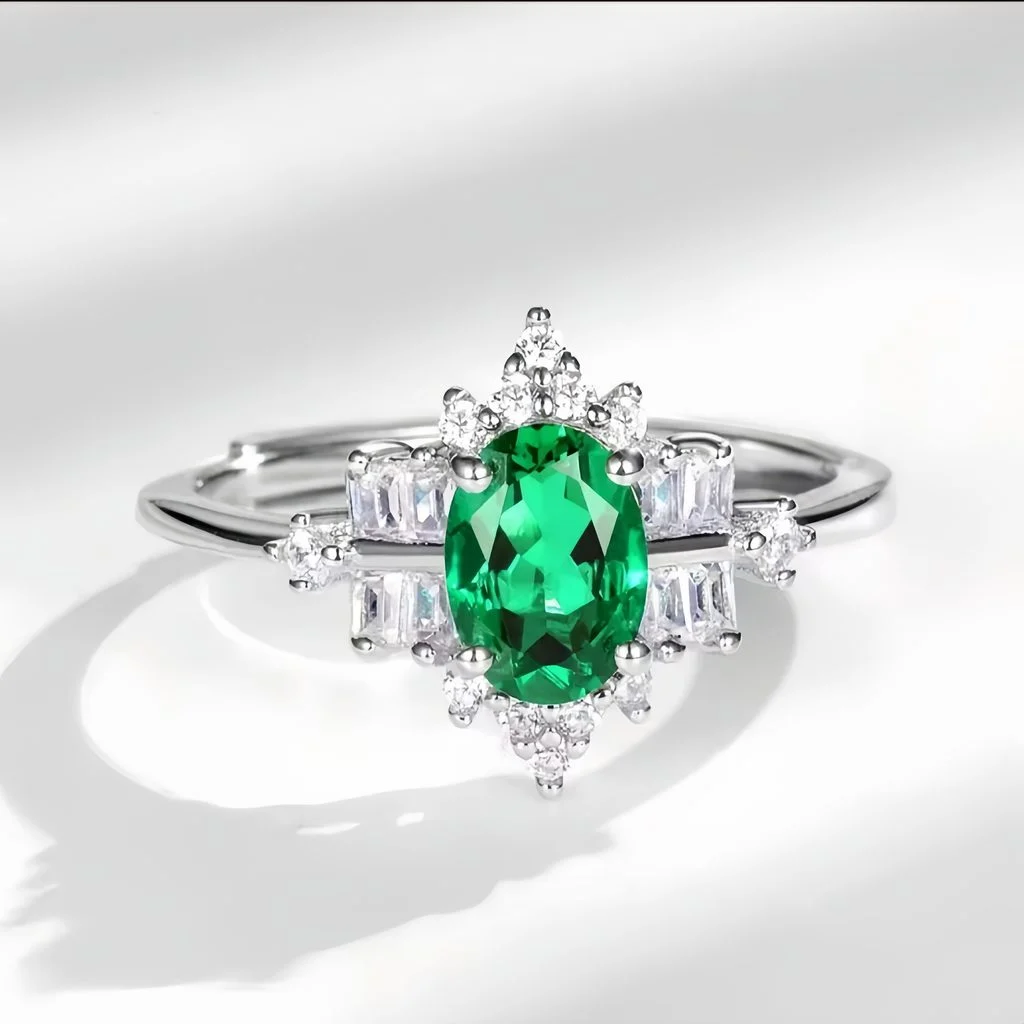
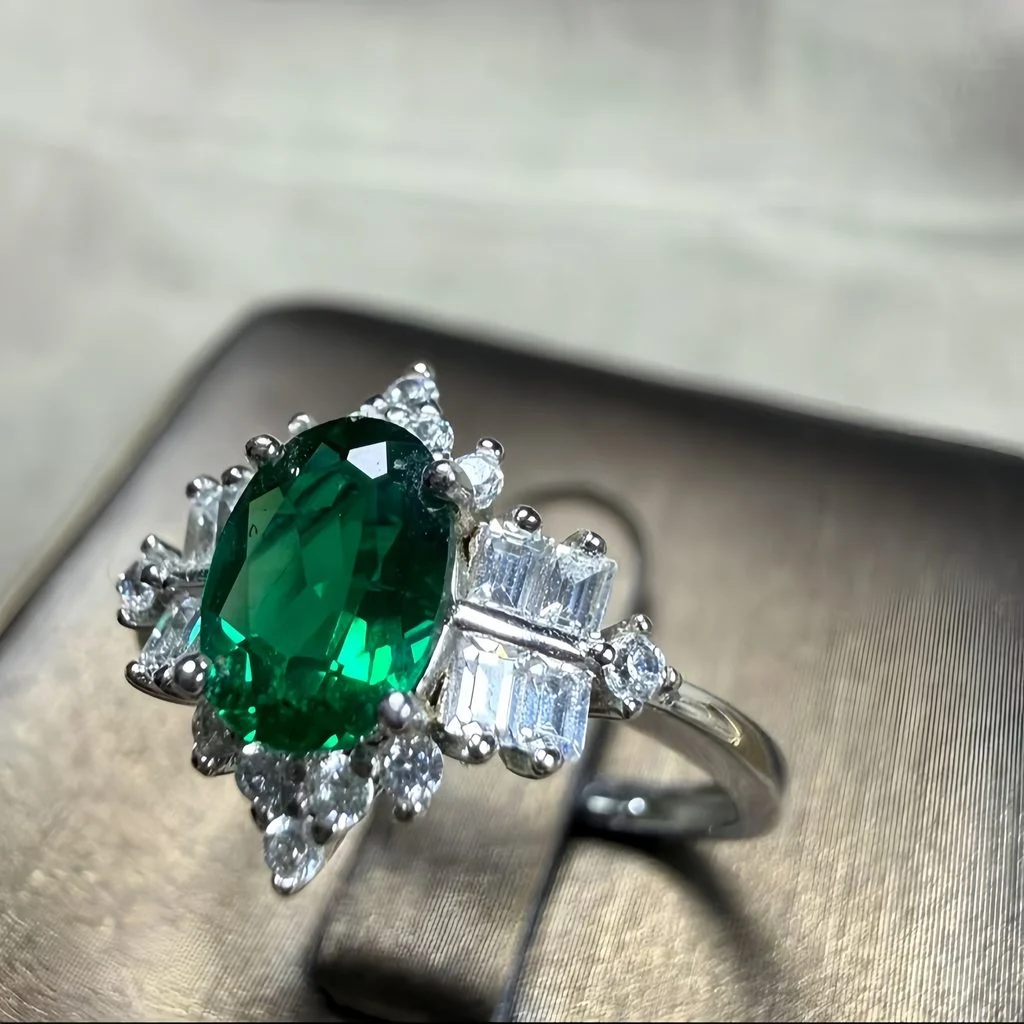
A vintage crown emerald ring brings together the romance of Victorian jewelry design with the brilliance of modern lab grown gemstones. The crown setting, with its layered baguette and round diamond accents, creates a regal silhouette that catches light from every angle. If you are looking for a statement piece that combines old-world craftsmanship with ethical sourcing, this S925 sterling silver ring is worth a closer look. In short, Lab Grown Vintage Crown is the deciding factor for most buyers.

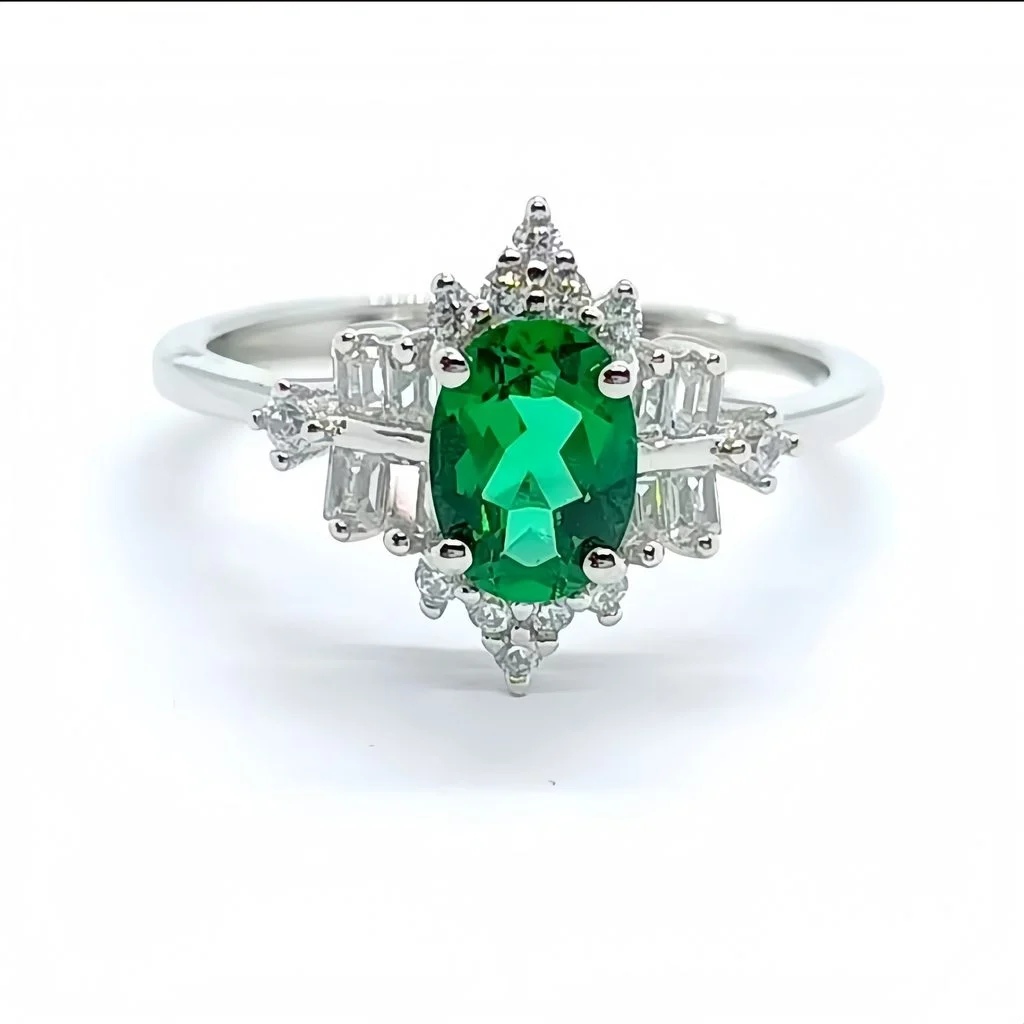
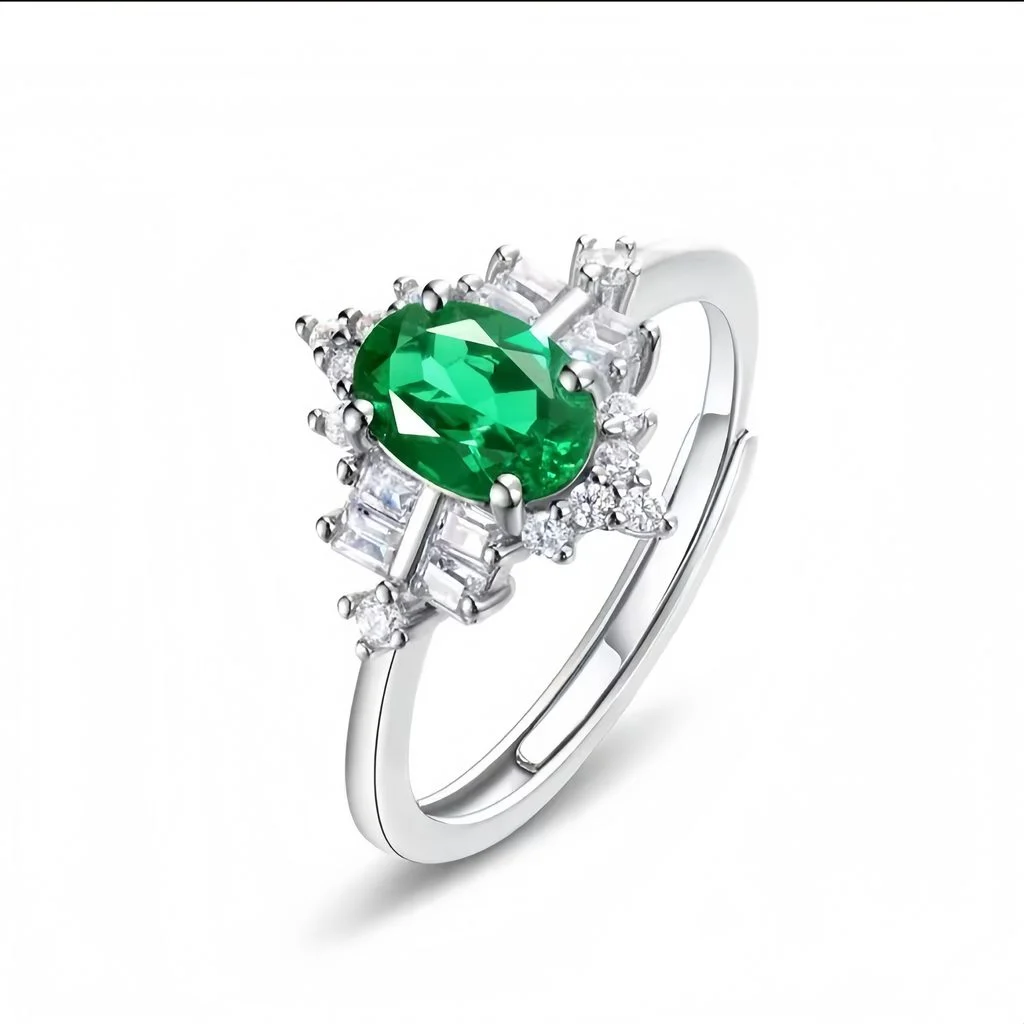
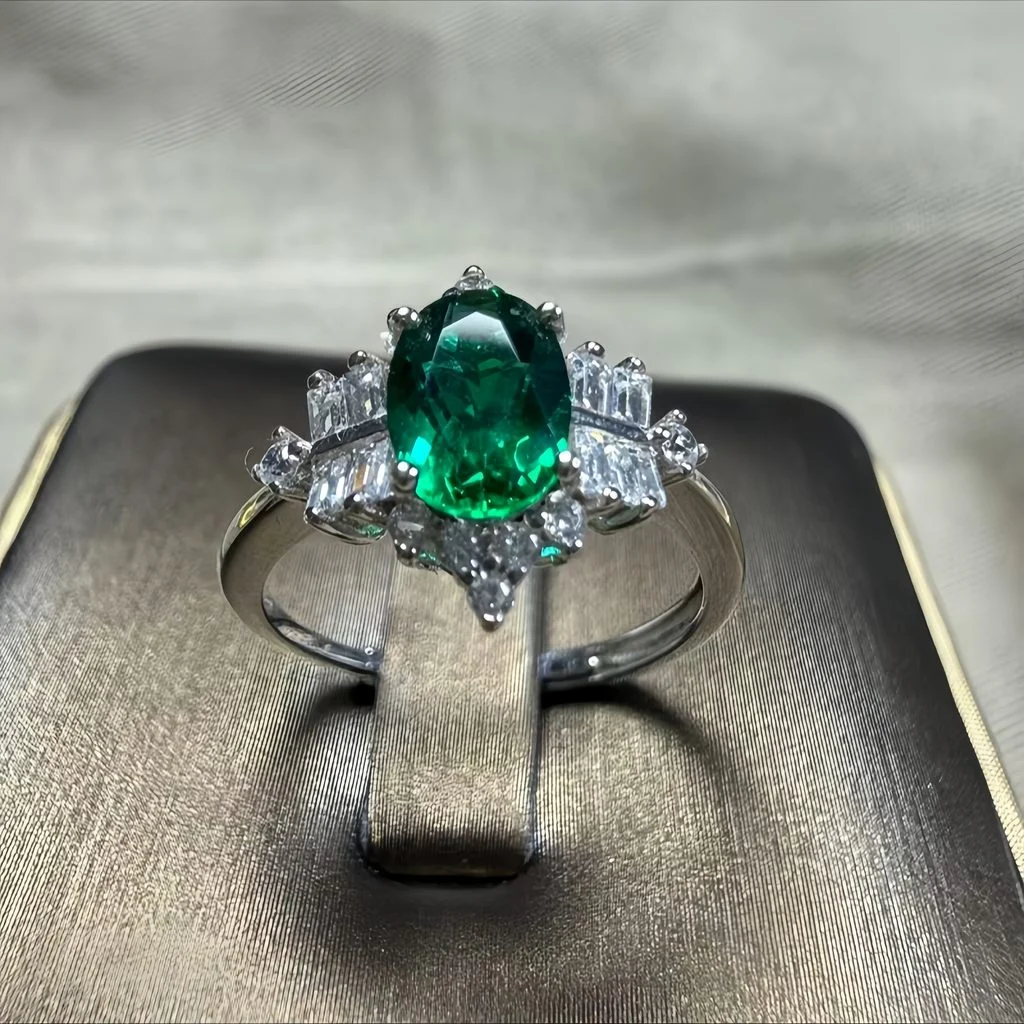
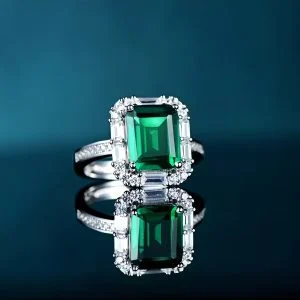
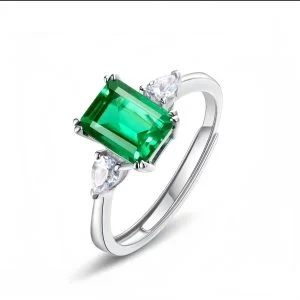
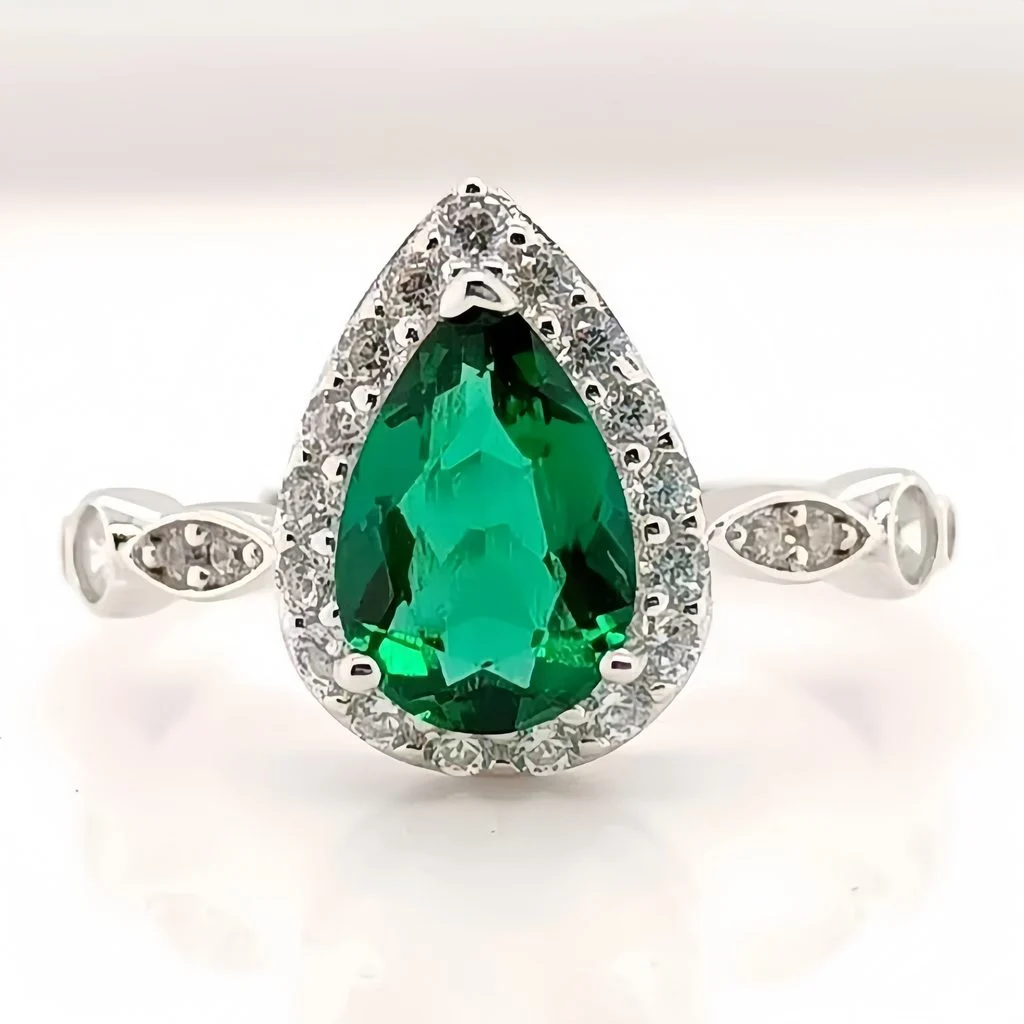
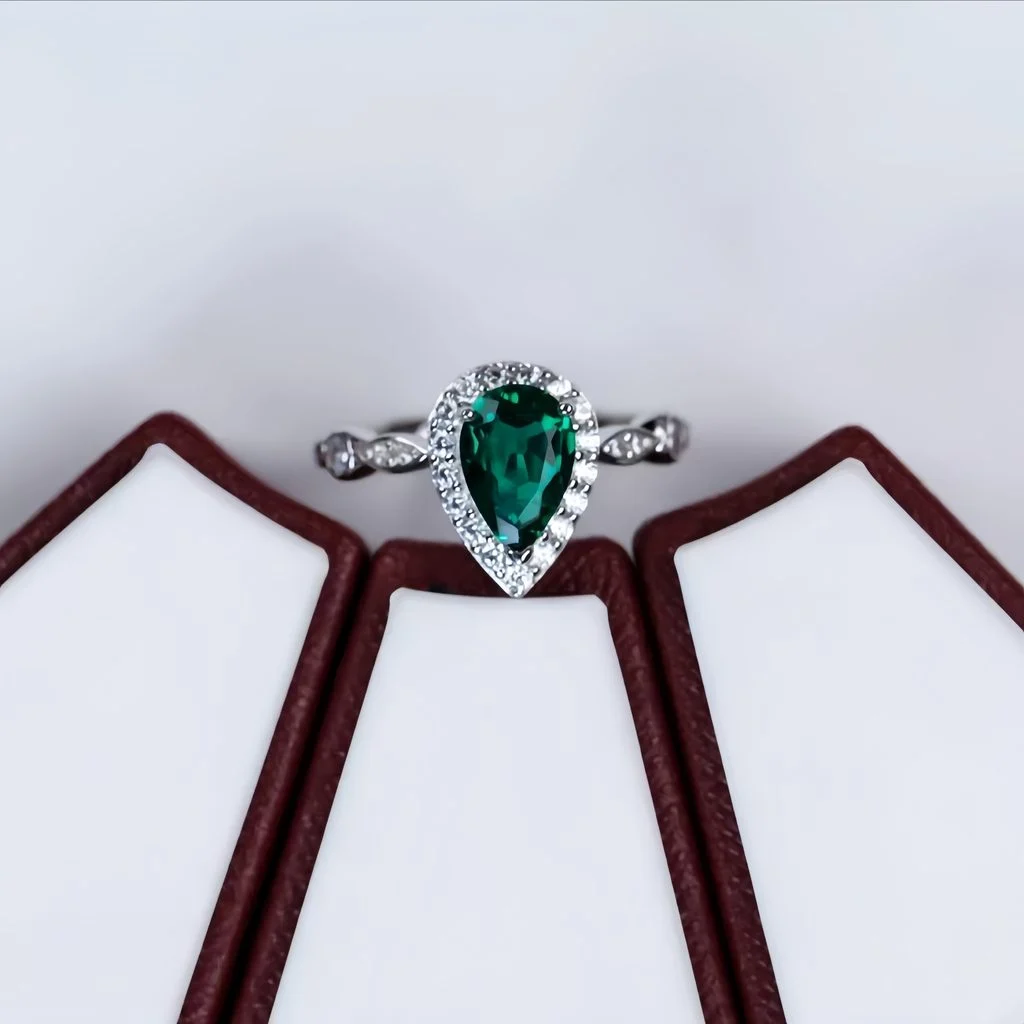
lab grown vintage crown emerald ring S925 sterling silver oval cut green gemstone baguette round diamond accents adjustable open band

Buying Tips: What to Look for in a Crown Emerald Ring

Therefore, The first thing to evaluate is the center stone. A lab grown emerald offers the same vivid green color and Mohs 8 hardness as a mined emerald, but with fewer inclusions and no oil treatment needed. Look for a stone with even color saturation and good transparency. The oval cut is the most popular choice for crown settings because it elongates the finger and maximizes light return through the stone’s pavilion facets.

Moreover, Next, examine the crown setting design. A true vintage crown ring uses a mix of baguette-cut and round brilliant-cut accent stones arranged in a radial pattern around the center stone. The baguettes provide geometric structure, while the round stones add sparkle and fill the gaps. This mixed-cut approach was popular in Art Deco jewelry from the 1920s and 1930s, giving the ring an authentic vintage character.

In addition, The metal choice affects both appearance and durability. S925 sterling silver provides a bright, cool-toned backdrop that makes the green emerald pop. Silver is also hypoallergenic and nickel-free, making it suitable for sensitive skin. The key advantage of sterling silver over white gold or platinum is cost. You get the same visual effect at a fraction of the price, leaving more budget for the gemstone quality itself.

lab grown vintage crown emerald ring S925 sterling silver detail close-up oval cut green gemstone baguette round diamond accents prong setting

For example, Here is a comparison of emerald ring options to help you decide:

FactorLab Grown EmeraldMined EmeraldGreen Sapphire
ColorVivid green, consistentVaries, often with jardinBlue-green to pure green
Hardness8 Mohs8 Mohs9 Mohs
ClarityEye-clean, no oilTypically included, oiledUsually eye-clean
TreatmentNone neededCedar oil filling commonOften heated
PriceAffordablePremium to ultra-premiumModerate to high
Ethical SourcingGuaranteed conflict-freeDepends on originDepends on origin
Vintage AppealYes, with crown settingYes, authentic period piecesLess traditional
Best ForEveryday luxury, ethical buyersCollectors, investmentDaily wear, durability

How to Wear: Styling Your Vintage Crown Ring

The Crown Setting Creates A Vertical Silhouette

Consequently, The crown setting creates a vertical silhouette that naturally elongates the finger. This makes the ring flattering on all hand shapes and sizes. Wear it alone on the right hand as a statement piece, or pair it with a simple silver band on the adjacent finger for a stacked look. Avoid wearing it directly next to wide bands, as the crown points can catch on neighboring jewelry.

lab grown vintage crown emerald ring S925 sterling silver side profile view crown setting elevation baguette round diamond accents adjustable band

The adjustable open band design is one of the most practical features of this ring. You can gently squeeze or expand the band to fit any finger size, making it ideal if you are between sizes or plan to wear the ring on different fingers. When adjusting, hold the ring at the base of the band rather than the crown setting to avoid putting pressure on the prongs.

For styling occasions, this ring transitions easily from casual to formal. Pair it with a crisp white blouse and jeans for a polished daytime look, or wear it with a little black dress for evening events. The green emerald pairs especially well with neutral tones like cream, ivory, and camel, as well as contrasting colors like navy and burgundy.

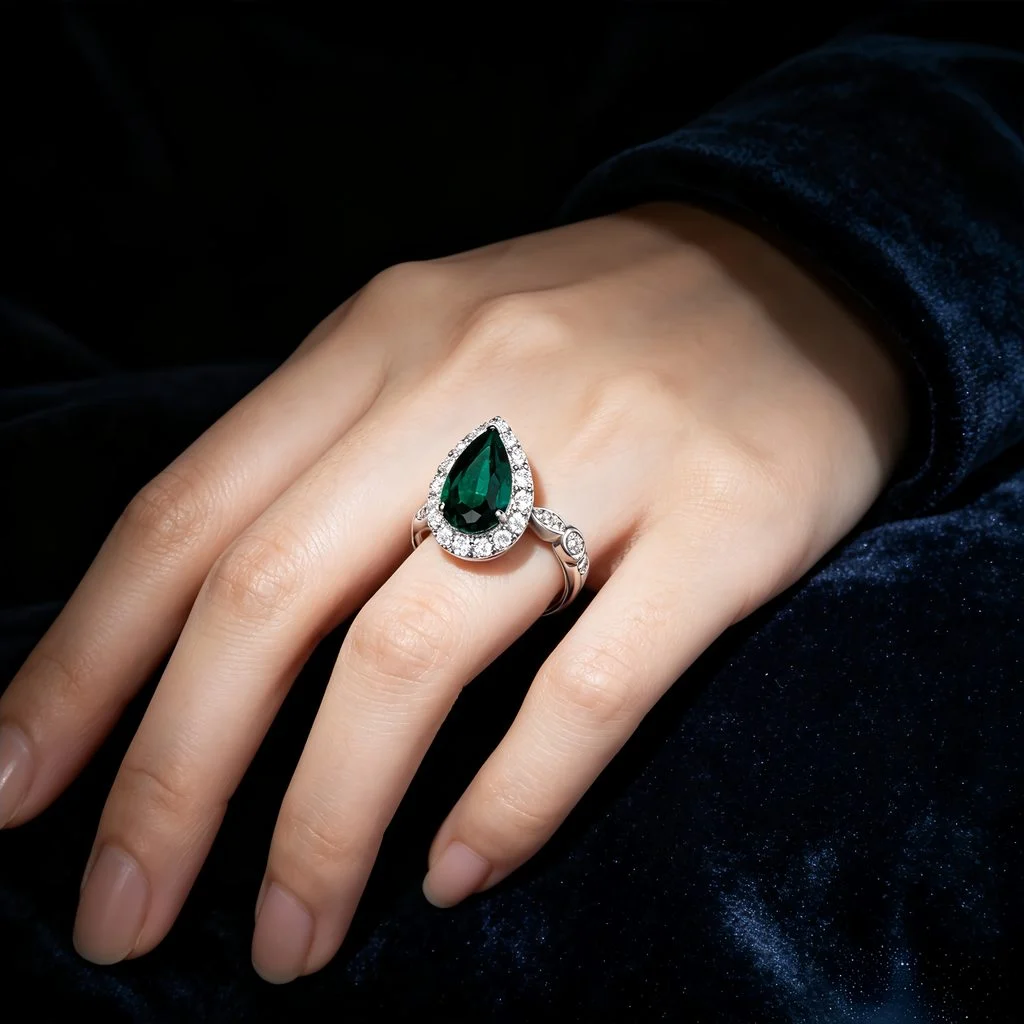
lab grown vintage crown emerald ring S925 sterling silver worn on hand finger oval cut green gemstone crown setting baguette diamond accents adjustable band

Care and Maintenance

Emerald ranks 8 on the Mohs hardness scale, which is durable enough for daily wear but softer than sapphire or diamond. This means you should remove the ring before heavy manual work, exercising, or using harsh chemicals. The crown setting elevates the center stone above the band, so the prongs can catch on fabrics if you are not careful when pulling on sweaters or gloves.

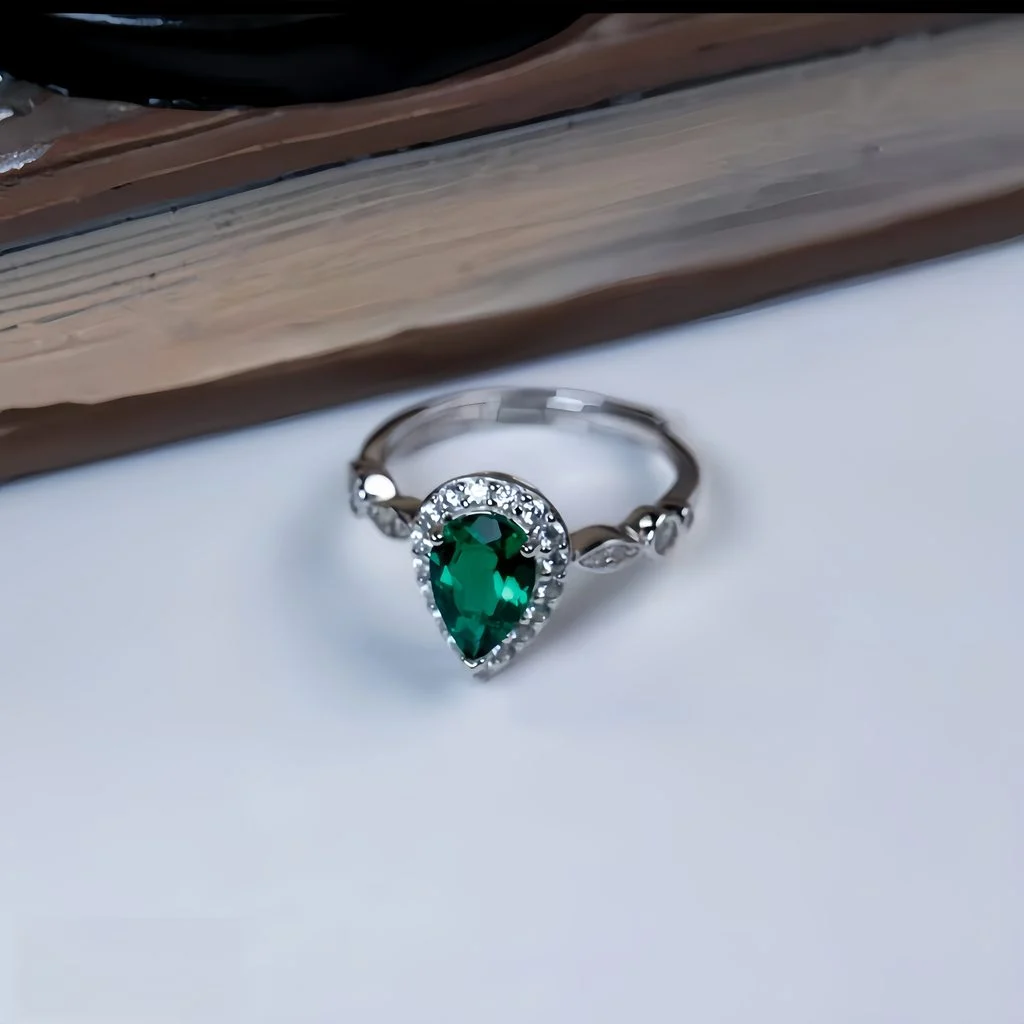
lab grown vintage crown emerald ring S925 sterling silver top-down flat lay view oval cut green gemstone baguette round diamond crown setting adjustable open band

Clean The Ring Every Two Weeks With

Clean the ring every two weeks with warm soapy water and a soft-bristled brush. Gently scrub around the prong settings and the gaps between the baguette and round accent stones to remove lotion and oil buildup. Rinse thoroughly and dry with a microfiber cloth. Store the ring separately in a soft pouch to prevent the sterling silver from scratching other jewelry and to minimize tarnishing. If the silver does develop a patina, use a silver polishing cloth to restore the shine.

FAQ:

Q: Is a lab grown emerald a real emerald? A: Yes. Lab grown emerald has the same chemical composition, crystal structure, hardness, and optical properties as mined emerald. The only difference is origin. Lab grown emerald is created in a controlled environment rather than extracted from the earth.

Q: Can I wear this ring every day? A: Yes, with basic care. Emerald has a Mohs hardness of 8, which is suitable for daily wear. However, you should remove the ring before heavy manual work, exercising, or using cleaning chemicals. The adjustable open band should be sized once and then left alone to maintain its shape.

Q: How does the adjustable open band work? A: The open band design has a small gap in the shank. You can gently squeeze the band to make it smaller or pull it apart slightly to make it larger. This allows for a half-size adjustment in either direction. Once you find your fit, avoid repeated adjustments to prevent metal fatigue.

Q Will The Sterling Silver Tarnish Over

Q: Will the sterling silver tarnish over time? A: Sterling silver naturally develops a patina with exposure to air and skin oils. This is normal and can be removed with a silver polishing cloth. Regular cleaning every two weeks keeps the metal bright and the accent stones sparkling.

Q: What makes this ring vintage style? A: The crown setting with mixed baguette and round diamond accents draws from Victorian and Art Deco design traditions. The radial arrangement of accent stones around the center emerald creates a regal, crown-like silhouette that was popular in 1920s and 1930s jewelry.

Q: Is this ring suitable as an engagement ring? A: Absolutely. Emerald engagement rings have grown in popularity as couples seek colorful alternatives to traditional diamond solitaires. The vintage crown design adds romantic symbolism, and the lab grown emerald offers ethical sourcing at an accessible price point.

Q: What is the advantage of a crown setting over a simple solitaire? A: A crown setting adds dimensional sparkle and vintage character that a plain solitaire cannot match. The baguette and round accent stones catch light from multiple angles, creating a more elaborate and eye-catching appearance. The elevated setting also allows more light to reach the emerald’s pavilion, enhancing its color and brilliance.

Q: How do I find the right size for an adjustable open band ring? A: Visit a jeweler for a professional measurement, or use a printable ring sizer. Measure at room temperature. With an open band, you have a half-size flexibility in either direction, so you can fine-tune the fit after receiving the ring. That is why Lab Grown Vintage Crown keeps gaining attention in this category.

Related Articles

You Might Also Like

Frequently Asked Questions

Is Lab Grown Vintage Crown worth buying?

Based on the breakdown in this article, Lab Grown Vintage Crown offers a strong mix of craftsmanship, stone quality and price. If the style matches what you actually wear, it is a practical choice for everyday elegance or gifting.

How do I choose the right lab grown vintage crown for my needs?

Start with the style you will really wear, then compare the stones (color, clarity, cut and carat), the metal type and the sizing options covered above. The right lab grown vintage crown balances quality with your everyday look.

Are the stones in lab grown vintage crown real?

Yes. Lab-grown stones are genuine gemstones created above ground with the same chemical, optical and physical properties as mined ones — usually at a lower price and with a smaller environmental footprint.

What if my lab grown vintage crown does not fit?

Measure your finger at the end of the day when it is warmest, or check the size guide on the product page. Most rings can be resized by a local jeweler within a size or two.

Lab Grown Padparadscha Sapphire Ring: Buying Guide, Styling Tips, and FAQ

Padparadscha sapphire is one of the rarest and most sought-after colored gemstones in the world, named after the Sinhalese word for lotus blossom. With its delicate blend of pink and orange, this stone has captivated jewelry lovers for centuries. A lab grown padparadscha sapphire ring gives you the same breathtaking color and Mohs 9 hardness without the ethical concerns or premium pricing of mined stones.

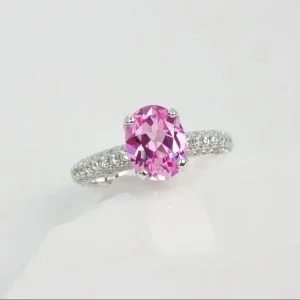
lab grown padparadscha sapphire oval ring S925 sterling silver pavé halo setting lotus pink orange gemstone display stand

Buying Tips: What to Know Before You Shop

Therefore, When shopping for a padparadscha sapphire ring, color is the single most important factor. True padparadscha shows a balanced mix of pink and orange, often described as sunset, salmon, or lotus. Stones that lean too pink are classified as pink sapphire, and those too orange fall into the orange sapphire category. The lab grown padparadscha in this ring displays the classic lotus pink-orange hue, giving you the genuine padparadscha color at a fraction of the mined stone price.

Moreover, Next, consider the cut. An oval cut is the most popular shape for padparadscha because it maximizes color saturation and light return while preserving carat weight. The oval shape also elongates the finger when worn, creating an elegant, flattering silhouette. Look for a stone with minimal windowing, meaning light should reflect back through the table rather than passing straight through the bottom.

In addition, The setting metal matters more than most buyers realize. S925 sterling silver provides a bright, neutral backdrop that lets the warm pink-orange tones of the padparadscha stand on their own. White gold and platinum work similarly but at a much higher cost. Sterling silver is also hypoallergenic and nickel-free, making it suitable for sensitive skin.

lab grown padparadscha sapphire oval ring S925 sterling silver detail close-up pavé halo prong setting lotus pink orange gemstone facets

For example, Here is a quick comparison of padparadscha sapphire options to help you decide:

FactorLab Grown PadparadschaMined PadparadschaMined Pink Sapphire
ColorPink-orange, lotus huePink-orange, lotus huePink only, no orange
Hardness9 Mohs9 Mohs9 Mohs
Price RangeAffordablePremium to ultra-premiumModerate to high
Ethical SourcingGuaranteed conflict-freeDepends on originDepends on origin
RarityLab-created, consistent supplyExtremely rare, limited supplyRare but more available
CertificationLab grown certificateGIA or AGL reportGIA or AGL report
Best ForEveryday luxury, ethical buyersCollectors, investmentClassic pink stone lovers

How to Wear: Styling Your Padparadscha Ring

The Lotus Pink-orange Color Of Padparadscha Sapphire

Consequently, The lotus pink-orange color of padparadscha sapphire is remarkably versatile. In natural daylight, the stone leans warm and peachy, while under indoor lighting it can shift toward a softer pink. This color shift makes the ring easy to pair with both warm and cool wardrobe tones. Wear it with cream, champagne, or soft blush outfits to amplify the warm undertones, or pair it with navy and charcoal to let the pink pop.

The pavé halo setting adds extra sparkle that makes this ring suitable for both everyday wear and special occasions. The lab grown diamond accents along the band catch light from every angle, so the ring photographs beautifully for engagement announcements, anniversary posts, or social media content.

lab grown padparadscha sapphire oval ring S925 sterling silver worn on hand finger pavé halo setting lotus pink orange gemstone

For ring sizing, this is a closed band design, meaning the size is fixed and cannot be adjusted after purchase. Measure your finger accurately before ordering. If you are between sizes, round up to the nearest half size for comfort. The closed band construction actually adds structural integrity, making the ring more durable than open-band adjustable styles over years of daily wear.

Care and Maintenance

Padparadscha sapphire ranks 9 on the Mohs hardness scale, second only to diamond. This makes it suitable for daily wear with minimal risk of scratching. However, the S925 sterling silver band will naturally develop a patina over time. To keep your ring looking its best, follow these care steps:

lab grown padparadscha sapphire oval ring S925 sterling silver side profile view pavé halo band prong setting closed band design

Clean the ring every two weeks with warm soapy water and a soft-bristled brush. Gently scrub around the pavé settings to remove lotion and oil buildup that can dull the accent stones. Rinse thoroughly and dry with a microfiber cloth. Avoid ultrasonic cleaners if the pavé stones are very small, as vibrations can loosen delicate settings over time.

Store The Ring Separately In A Soft

Store the ring separately in a soft pouch or lined jewelry box. Sterling silver should not contact other metals, as this accelerates tarnishing. If the silver does tarnish, use a silver polishing cloth to restore the shine. Never use liquid silver dips on a ring with pavé stones, as the chemicals can seep under the settings and damage the adhesive or prongs.

[IMAGE 5: Insert top-down flat lay image here – full ring showing halo and band from above]

FAQ:

Q: What makes padparadscha sapphire different from a regular pink sapphire? A: Padparadscha sapphire must display a balanced mix of pink and orange in the same stone. If the color is purely pink with no orange component, it is classified as pink sapphire. The lotus blossom color blend is what gives padparadscha its unique identity and higher value.

Q: Is a lab grown padparadscha sapphire a real sapphire? A: Yes. Lab grown sapphires have the same chemical composition, crystal structure, hardness, and optical properties as mined sapphires. The only difference is origin. Lab grown stones are created in controlled environments rather than extracted from the earth.

Q: Can I wear this ring every day? A: Yes. With a Mohs hardness of 9, the padparadscha sapphire is durable enough for daily wear. The S925 sterling silver band is sturdy, and the closed band design adds structural strength. Just remove the ring before swimming, heavy lifting, or using harsh chemicals.

Q Will The Silver Band Tarnish Over

Q: Will the silver band tarnish over time? A: Sterling silver naturally develops a patina with exposure to air and skin oils. This is normal and can be easily removed with a silver polishing cloth. Regular cleaning every two weeks keeps the metal bright and the pavé stones sparkling.

Q: How does the color look in different lighting? A: Padparadscha sapphire is known for its subtle color shift. In natural daylight, expect warmer peachy-pink tones. Under incandescent or warm indoor lighting, the color may lean softer pink. This chameleon quality is part of what makes padparadscha so prized among gem collectors.

Q: Is this ring suitable as an engagement ring? A: Absolutely. Padparadscha sapphire engagement rings have grown in popularity as couples seek alternatives to traditional diamond solitaires. The lotus color symbolizes new beginnings, and the pavé halo setting gives the ring a luxurious, romantic presence.

Q: What is the advantage of a closed band over an adjustable open band? A: A closed band is more durable and structurally sound than an adjustable open band. Open bands can bend or lose their shape over time at the adjustment point. Closed bands maintain their form permanently, making them better suited for long-term daily wear.

Q: How do I find the right ring size for a closed band? A: Visit a jeweler to have your finger professionally measured, or use a printable ring sizer at home. Measure at room temperature, as fingers swell in heat and shrink in cold. Since the closed band cannot be resized, getting an accurate measurement before ordering is essential. That is why Lab Grown Padparadscha Sapphire keeps gaining attention in this category.

Related Articles

You Might Also Like

Frequently Asked Questions

Is Lab Grown Padparadscha Sapphire worth buying?

Based on the breakdown in this article, Lab Grown Padparadscha Sapphire offers a strong mix of craftsmanship, stone quality and price. If the style matches what you actually wear, it is a practical choice for everyday elegance or gifting.

How do I choose the right lab grown padparadscha sapphire for my needs?

Start with the style you will really wear, then compare the stones (color, clarity, cut and carat), the metal type and the sizing options covered above. The right lab grown padparadscha sapphire balances quality with your everyday look.

Are the stones in lab grown padparadscha sapphire real?

Yes. Lab-grown stones are genuine gemstones created above ground with the same chemical, optical and physical properties as mined ones — usually at a lower price and with a smaller environmental footprint.

What if my lab grown padparadscha sapphire does not fit?

Measure your finger at the end of the day when it is warmest, or check the size guide on the product page. Most rings can be resized by a local jeweler within a size or two.

The Complete Guide to Lab-Grown Full Pave Blue Diamond Rings

A ring encrusted with diamonds along the entire band is one of the most luxurious looks in fine jewelry. When those diamonds are lab-grown, royal blue, and set in S925 sterling silver, the result is a piece that combines old-world craftsmanship with modern ethics and value. This guide covers everything you need to know about lab-grown full pave band blue diamond rings, from how to choose one to why they are becoming the go-to choice for engagements, wedding bands, and statement jewelry across the US and Europe. In short, Complete Guide Lab-Grown Full is the deciding factor for most buyers.

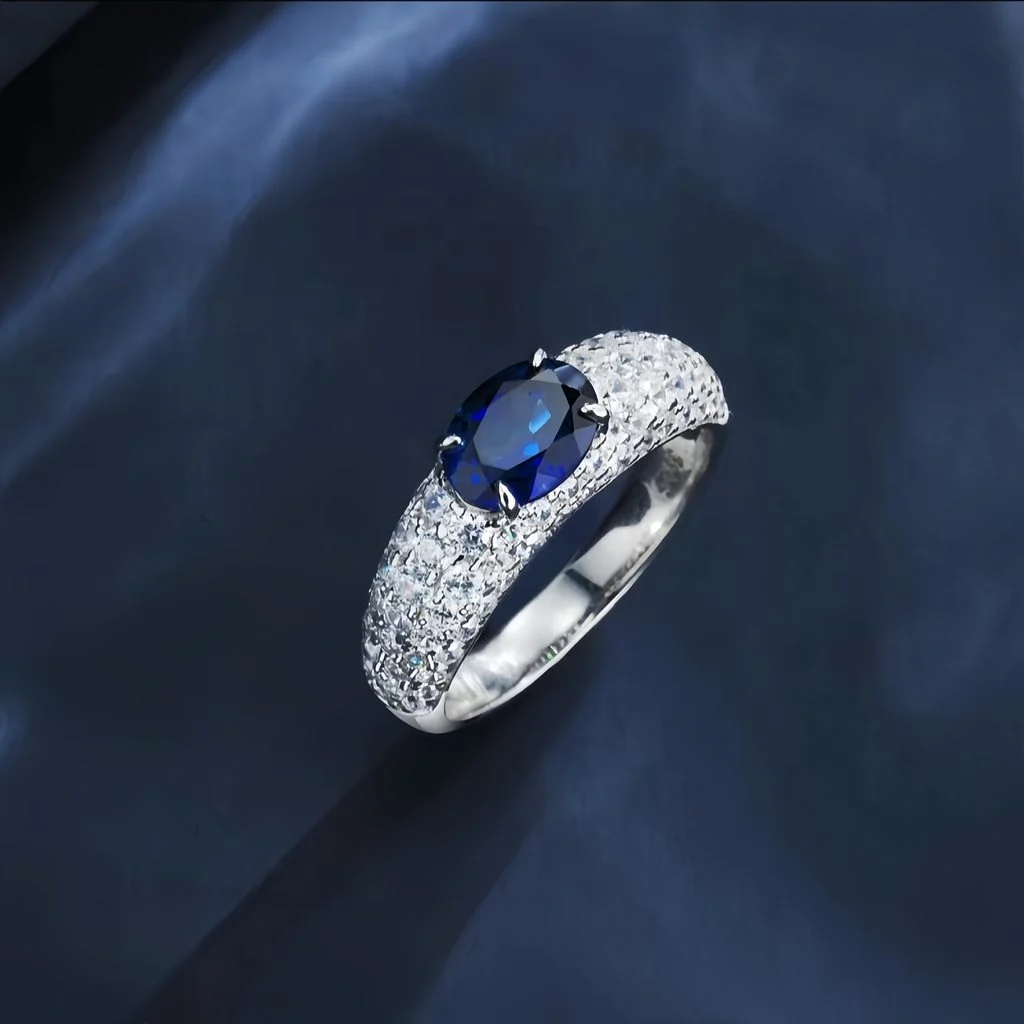
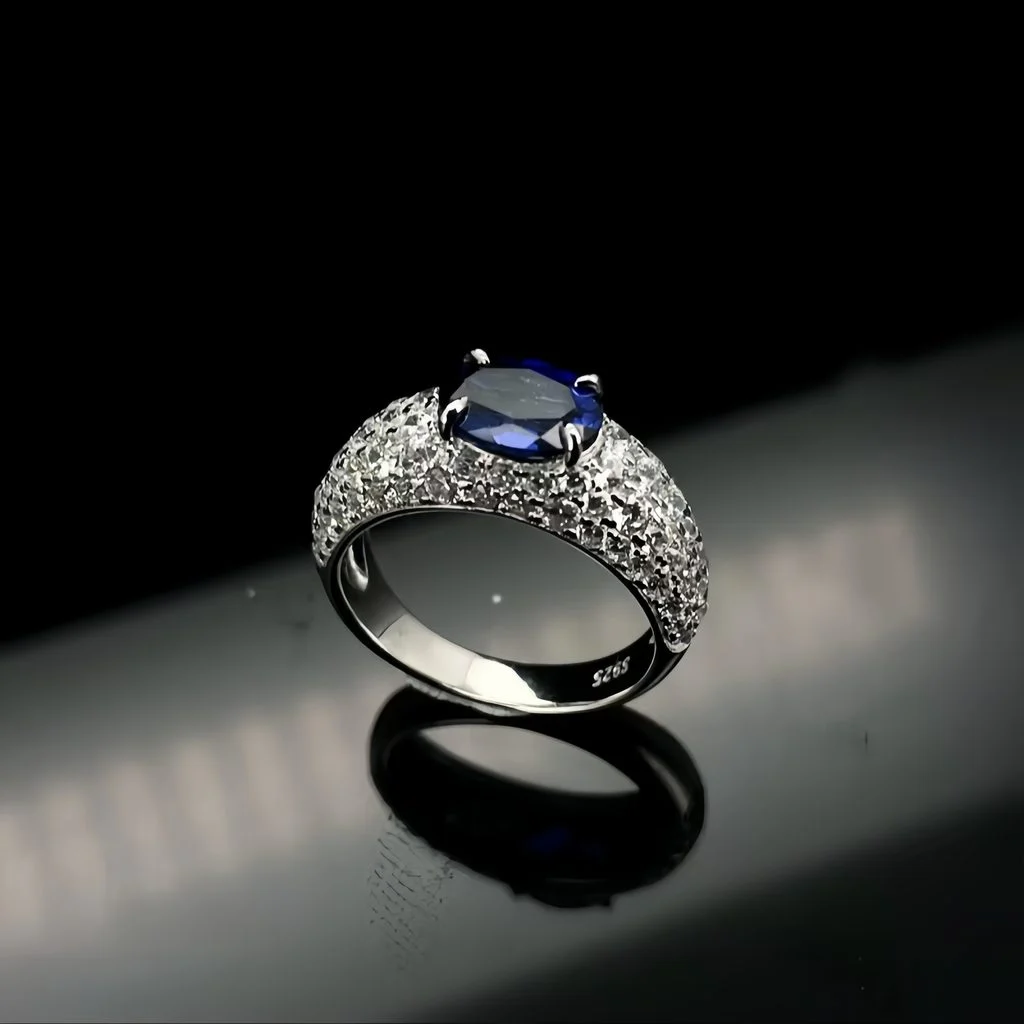
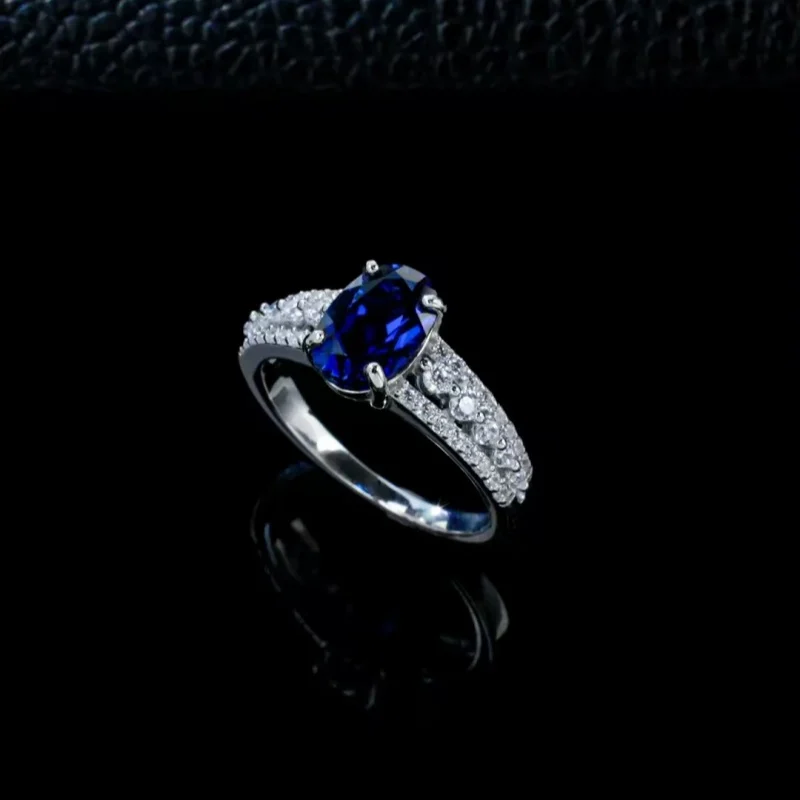
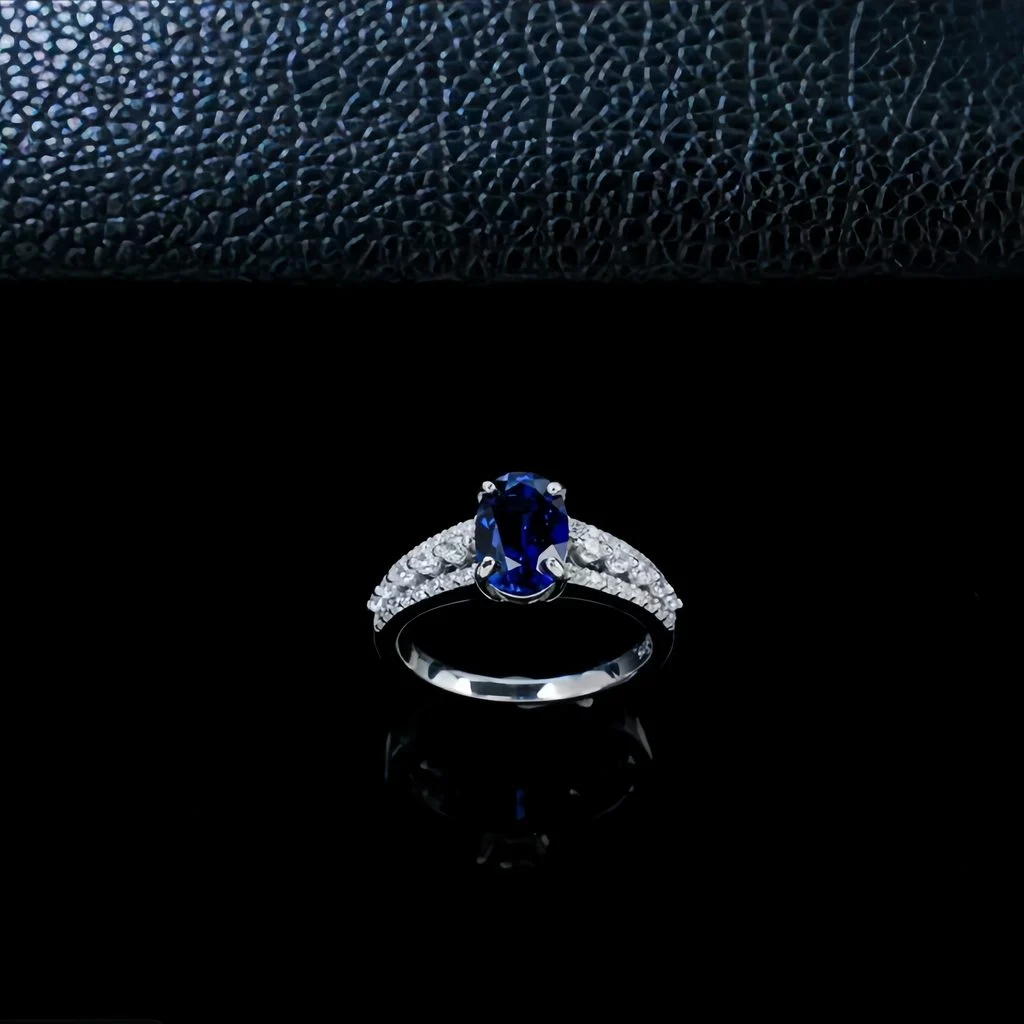
lab grown full pave band blue diamond ring S925 sterling silver closed band

What Is a Lab-Grown Blue Diamond?

Therefore, A lab-grown blue diamond is a real diamond, not a simulant. It has the same chemical composition, physical structure, and optical properties as a mined diamond. The difference is origin. Lab diamonds are created using advanced CVD or HPHT technology that replicates the conditions under which diamonds form naturally deep in the earth. The blue color comes from trace amounts of boron incorporated during the growth process, the same way nature creates blue diamonds. With a Mohs hardness of 10, lab-grown blue diamonds are just as durable and brilliant as their mined counterparts. They are ethically created, conflict-free, and environmentally responsible.

Why Choose a Full Pave Band?

Moreover, The full pave band is the defining feature of this extraordinary ring. Unlike rings with accent stones only on the shoulders, a full pave design encrusts the entire band with tiny diamonds, creating a continuous river of brilliance that wraps around the whole finger. Each diamond is carefully set by hand using the pave technique, where small beads of metal hold each stone securely in place. The result is a band that shimmers from every viewing angle, catching light with every movement. This design maximizes the total diamond coverage and creates a look of uninterrupted luxury. It is perfect for those who want maximum sparkle and a ring that looks stunning from every direction.

close up detail of lab grown full pave band blue diamond ring S925 sterling silver pavé setting

In addition, Buying Tips: What to Look For in a Full Pave Diamond Ring

For example, When shopping for a full pave band blue diamond ring, keep these key factors in mind.

Consequently, First, examine the pave setting quality. Each tiny diamond should be held securely by evenly spaced beads of metal. Look for uniform stone sizes, consistent spacing, and no visible gaps or loose stones. A well-executed pave setting should look like a continuous surface of sparkle with the metal barely visible between stones.

Second Evaluate The Color

Second, evaluate the color. Blue diamonds range from light sky blue to deep royal blue. The most desirable shade is a rich, saturated royal blue that appears consistent under different lighting conditions. Avoid stones with grayish or greenish tints.

Third, consider the metal. S925 sterling silver is an excellent choice for blue diamonds because its cool, bright tone complements the blue color beautifully. It is hypoallergenic, nickel-free, and significantly more affordable than white gold or platinum.

Fourth, decide on the band type. A closed band offers a traditional, secure fit and is the most common choice for pave rings, as the continuous setting cannot be adjusted without risking damage to the stones. Make sure to get an accurate ring size before purchasing.

Finally, always confirm the diamond origin. A reputable seller should clearly state that the diamonds are lab-grown, provide information about the growth method, and confirm that they are conflict-free.

Lab-Grown vs. Natural vs. Simulant Diamonds

Many Buyers Confuse Lab-grown Diamonds With Diamond

Many buyers confuse lab-grown diamonds with diamond simulants like cubic zirconia or moissanite. This is an important distinction. Lab-grown diamonds are real diamonds, period. They share the same chemical, physical, and optical properties as mined diamonds. Simulants are made of completely different materials that merely look like diamonds. CZ scratches easily, moissanite has a different refractive index, and neither has the durability or value retention of a real diamond. When you buy a lab-grown full pave blue diamond ring, you are getting genuine diamonds that will last a lifetime.

Our Featured Pick: Full Pave Band Blue Diamond Ring

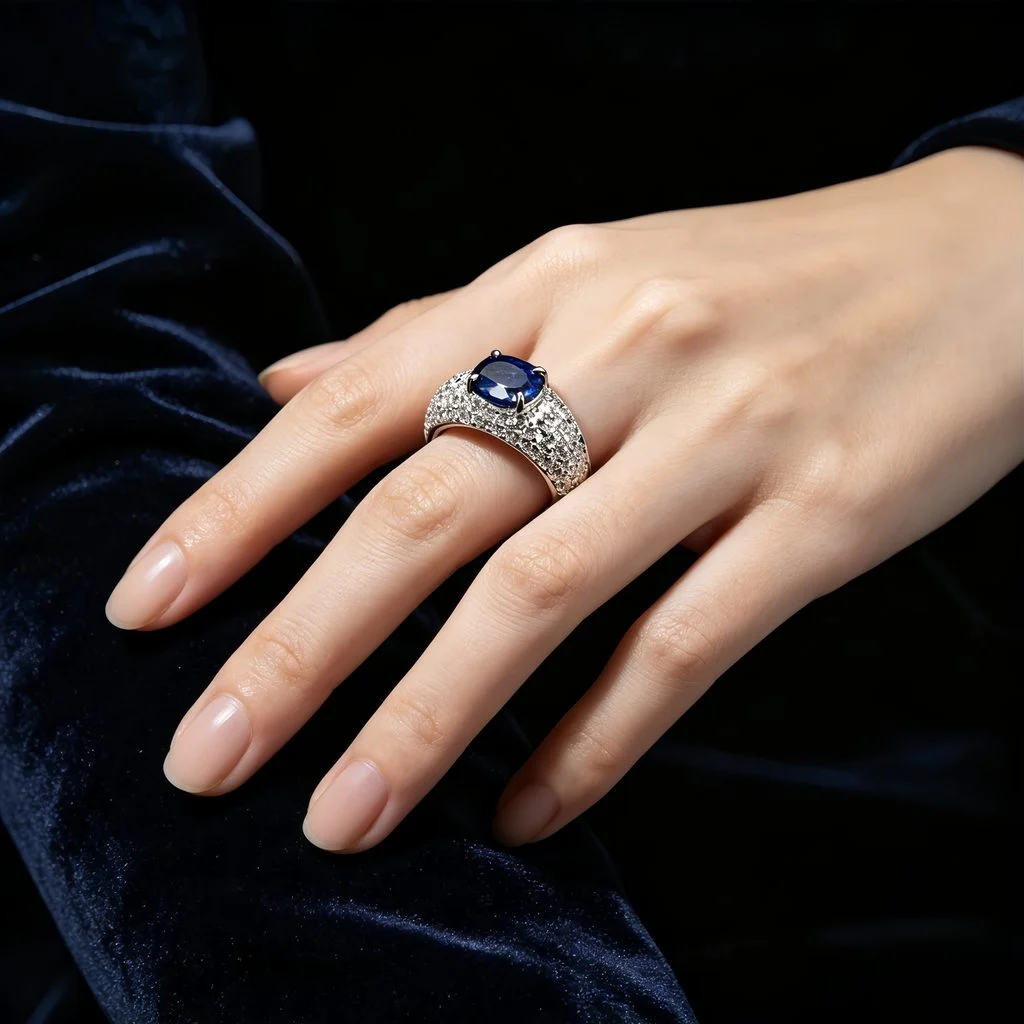
wearing lab grown full pave band blue diamond ring S925 sterling silver on hand model

If you are looking for the perfect full pave band blue diamond ring, our featured pick from Maison Elara & Co checks every box.

The ring features a continuous band of lab-grown royal blue diamonds set in a full pave technique along the entire S925 sterling silver band. Each tiny diamond is hand-set with precision, creating a seamless surface of sparkle that wraps around the whole finger. The high-polish finish enhances the deep blue color of the diamonds. The closed band design provides a secure, traditional fit.

This ring is perfect for engagements, wedding bands, anniversaries, right-hand wear, and special occasion gifts. The full pave design ensures it looks stunning from every angle, making it a true statement piece. It arrives beautifully packaged, ready for gifting. You can view it at our shop.

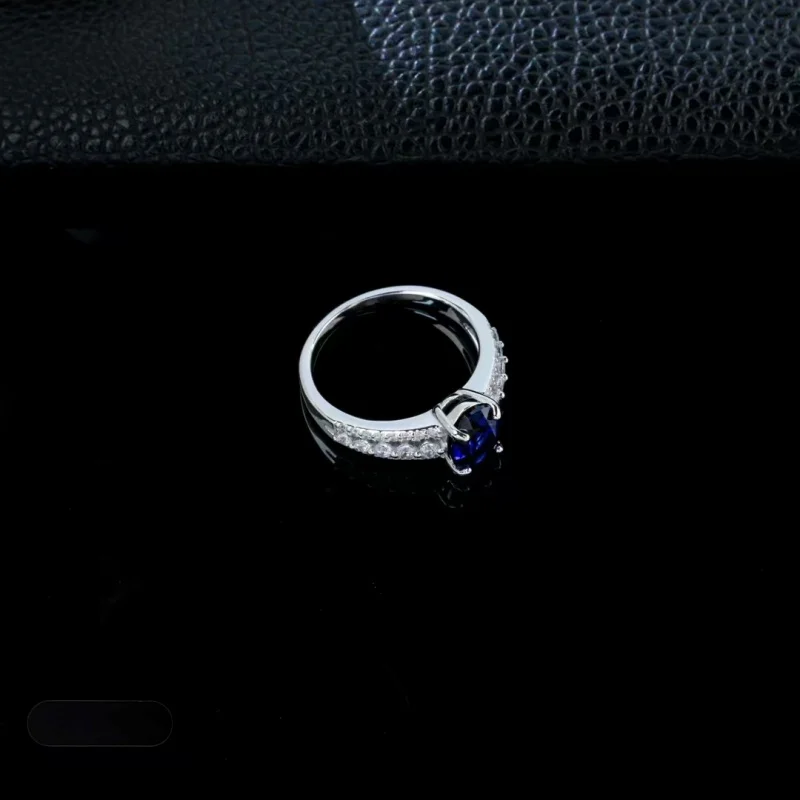
side view lab grown full pave band blue diamond ring S925 sterling silver profile

How to Style and Wear a Full Pave Blue Diamond Ring

The full pave band blue diamond ring is one of the most versatile pieces you can own. For everyday wear, it works beautifully as a right-hand statement ring paired with simple silver jewelry. For formal events, wear it as an engagement ring or wedding band. The blue diamonds pair well with both warm and cool color palettes. Consider stacking it with a plain silver band for a layered look, or wear it alone for maximum impact. The full pave design means the ring looks equally stunning from the top, sides, and bottom, so you never have to worry about which angle people see it from.

Jewelry Care Tips

To Keep Your Full Pave Blue Diamond

To keep your full pave blue diamond ring looking its best, clean it regularly with warm water, mild soap, and a soft brush. Avoid harsh chemicals, ultrasonic cleaners, and steam cleaning, which can loosen the pave settings. Store the ring separately in a soft pouch or lined jewelry box to prevent scratches. Remove the ring before swimming, exercising, or doing household chores. Have the pave settings checked by a jeweler annually to ensure no stones have loosened. With proper care, your S925 sterling silver ring and lab-grown diamonds will maintain their beauty for years to come.

FAQ:

Q: Is a lab-grown blue diamond a real diamond?
A: Yes. Lab-grown diamonds have the same chemical, physical, and optical properties as mined diamonds. They are genuine diamonds, not simulants like cubic zirconia or moissanite.

Q: What is a full pave band?
A: A full pave band features tiny diamonds set along the entire circumference of the ring band, not just on the top or shoulders. This creates a continuous river of sparkle that wraps around the whole finger.

Q: Will the blue color fade over time?
A: No. The blue color in lab-grown blue diamonds comes from boron atoms incorporated into the diamond crystal structure during growth. This color is permanent and will never fade or change.

Q Can A Pave Band Be Resizeda

Q: Can a pave band be resized?
A: Resizing a full pave band is difficult and risky because the diamonds are set along the entire band. It is important to get an accurate ring size before purchasing a closed band pave ring.

Q: Is S925 sterling silver durable enough for everyday wear?
A: Yes. S925 sterling silver is a durable metal suitable for everyday wear. With proper care and occasional polishing, it will maintain its beauty for years.

Q: Are lab-grown diamonds more affordable than mined diamonds?
A: Yes. Lab-grown diamonds typically cost 30 to 70 percent less than mined diamonds of comparable quality, making them an excellent value, especially for full pave designs that require many stones.

Final Thoughts

A full pave band blue diamond ring is more than just jewelry. It is a statement of luxury, individuality, and responsible choice. The full pave design ensures maximum sparkle from every angle, while the royal blue diamonds offer a distinctive alternative to traditional white stones. Set in S925 sterling silver with lab-grown diamonds, this ring delivers beauty, value, and peace of mind. Explore our full collection of lab-grown diamond jewelry at Maison Elara & Co. That is why Complete Guide Lab-Grown Full keeps gaining attention in this category.

Related Articles

You Might Also Like

Frequently Asked Questions

Is Complete Guide Lab-grown Full worth buying?

Based on the breakdown in this article, Complete Guide Lab-grown Full offers a strong mix of craftsmanship, stone quality and price. If the style matches what you actually wear, it is a practical choice for everyday elegance or gifting.

How do I choose the right complete guide lab-grown full for my needs?

Start with the style you will really wear, then compare the stones (color, clarity, cut and carat), the metal type and the sizing options covered above. The right complete guide lab-grown full balances quality with your everyday look.

Are the stones in complete guide lab-grown full real?

Yes. Lab-grown stones are genuine gemstones created above ground with the same chemical, optical and physical properties as mined ones — usually at a lower price and with a smaller environmental footprint.

What if my complete guide lab-grown full does not fit?

Measure your finger at the end of the day when it is warmest, or check the size guide on the product page. Most rings can be resized by a local jeweler within a size or two.

The Complete Guide to Lab-Grown Flat Oval Halo Blue Diamond Rings

A flat oval-cut blue diamond surrounded by a full halo of sparkling accent stones is one of the most elegant looks in modern jewelry. Add the ethical benefits and unbeatable value of lab-grown diamond technology, and you have a ring that turns heads without compromise. This guide covers everything you need to know about lab-grown flat oval halo blue diamond rings, from how to choose one to why they are becoming the go-to choice for engagements and statement jewelry across the US and Europe. In short, Complete Guide Lab-Grown Flat is the deciding factor for most buyers.

top view flat lay lab grown flat oval halo blue diamond ring S925 sterling silver

What Is a Lab-Grown Blue Diamond?

Therefore, A lab-grown blue diamond is a real diamond, not a simulant. It has the same chemical composition, physical structure, and optical properties as a mined diamond. The difference is origin. Lab diamonds are created using advanced CVD or HPHT technology that replicates the conditions under which diamonds form naturally deep in the earth. The blue color comes from trace amounts of boron incorporated during the growth process, the same way nature creates blue diamonds. With a Mohs hardness of 10, lab-grown blue diamonds are just as durable and brilliant as their mined counterparts. They are ethically created, conflict-free, and environmentally responsible.

Why Choose a Flat Oval Cut?

Moreover, The flat oval cut offers a smooth, elongated silhouette that is both modern and timeless. Unlike traditional faceted cuts that rise high above the finger, the flat oval features a low-profile surface that creates a sleek, contemporary look. The elongated shape naturally flatters the hand, creating a slimming effect on the finger. Our lab-grown blue diamond displays a rich, saturated royal blue color that catches light beautifully across its smooth surface. When paired with a full halo setting, the flat oval cut creates a sophisticated, structured look that feels both modern and classic at once. It is perfect for those who want distinctive elegance without the bulk of a high-profile stone.

wearing lab grown flat oval halo blue diamond ring S925 sterling silver on hand model

In addition, Buying Tips: What to Look For in a Flat Oval Halo Diamond Ring

For example, When shopping for a flat oval halo blue diamond ring, keep these key factors in mind.

Consequently, First, check the cut quality. A poorly cut oval will look dull and uneven. Look for symmetry, smooth surfaces, and a well-proportioned elongated shape. The flat profile should be even across the entire stone, with no visible bumps or irregularities.

Second Evaluate The Color

Second, evaluate the color. Blue diamonds range from light sky blue to deep royal blue. The most desirable shade is a rich, saturated royal blue that appears consistent under different lighting conditions. Avoid stones with grayish or greenish tints, which can indicate lower quality.

Third, examine the halo. A full halo should completely encircle the center stone with evenly spaced, well-matched accent stones. The halo should sit flush against the center diamond without gaps or unevenness. A well-executed halo adds significant brilliance and creates an optical illusion that makes the center stone appear larger.

Fourth, consider the metal. S925 sterling silver is an excellent choice for blue diamonds because its cool, bright tone complements the blue color beautifully. It is hypoallergenic, nickel-free, and significantly more affordable than white gold or platinum.

Fifth, think about the band type. An adjustable open band is ideal if you are buying as a gift and are unsure of the recipient’s exact ring size. It can be gently squeezed or expanded for a perfect fit on any finger, making it one of the most practical and versatile ring designs available.

Finally Always Confirm The Diamonds Origin

Finally, always confirm the diamond’s origin. A reputable seller should clearly state that the diamond is lab-grown, provide information about the growth method, and confirm that it is conflict-free.

Lab-Grown vs. Natural vs. Simulant Diamonds

Many buyers confuse lab-grown diamonds with diamond simulants like cubic zirconia or moissanite. This is an important distinction. Lab-grown diamonds are real diamonds, period. They share the same chemical, physical, and optical properties as mined diamonds. Simulants are made of completely different materials that merely look like diamonds. CZ scratches easily, moissanite has a different refractive index, and neither has the durability or value retention of a real diamond. When you buy a lab-grown blue diamond ring, you are getting a genuine diamond that will last a lifetime.

Our Featured Pick: Flat Oval Halo Blue Diamond Ring

close up detail of lab grown flat oval halo blue diamond ring S925 sterling silver accent stones

If you are looking for the perfect flat oval halo blue diamond ring, our featured pick from Maison Elara & Co checks every box.

The center stone is a lab-grown flat oval-cut blue diamond in a rich royal blue hue. It is surrounded by a full halo of sparkling accent stones that encircle the center diamond completely, creating maximum brilliance and an optical illusion of a larger center stone. The ring is set in premium S925 sterling silver with a high-polish finish that enhances the diamond’s cool blue tone. The adjustable open band design allows the ring to fit any finger size, making it an ideal gift.

This ring is perfect for engagements, anniversaries, right-hand wear, and special occasion gifts. The flat oval cut offers a modern, sleek alternative to traditional high-profile stones, while the blue color adds a distinctive, luxurious touch. It arrives beautifully packaged, ready for gifting. You can view it at our shop.

lab grown flat oval halo blue diamond ring S925 sterling silver adjustable open band

How to Style and Wear a Flat Oval Halo Blue Diamond Ring

The Flat Oval Halo Blue Diamond Ring

The flat oval halo blue diamond ring is versatile enough for both everyday wear and special occasions. For a casual look, wear it on your right hand as a statement piece paired with simple silver jewelry. For formal events, wear it on your left ring finger as an engagement or anniversary ring. The blue diamond pairs beautifully with both warm and cool color palettes, making it easy to style with any outfit. The flat oval cut provides a low-profile, comfortable fit that sits close to the finger, making it practical for everyday wear without snagging on clothing or interfering with daily tasks. Consider stacking it with a simple silver band for a modern, layered look.

Jewelry Care Tips

To keep your flat oval halo blue diamond ring looking its best, follow these simple care guidelines. Clean the ring regularly with warm water, mild soap, and a soft brush. Avoid harsh chemicals, ultrasonic cleaners, and steam cleaning, which can damage the silver. Store the ring separately in a soft pouch or lined jewelry box to prevent scratches. Remove the ring before swimming, exercising, or doing household chores. When adjusting the open band, do so gently to avoid bending the metal beyond its flexible range. With proper care, your S925 sterling silver ring and lab-grown diamond will maintain their beauty for years to come.

FAQ:

Q: Is a lab-grown blue diamond a real diamond?
A: Yes. Lab-grown diamonds have the same chemical, physical, and optical properties as mined diamonds. They are genuine diamonds, not simulants like cubic zirconia or moissanite.

Q: What is a flat oval cut?
A: A flat oval cut features a smooth, low-profile oval shape that sits close to the finger. Unlike traditional faceted cuts, it has a sleek, modern surface that creates a contemporary, elegant look.

Q Will The Blue Color Fade Over

Q: Will the blue color fade over time?
A: No. The blue color in lab-grown blue diamonds comes from boron atoms incorporated into the diamond crystal structure during growth. This color is permanent and will never fade or change.

Q: How does the adjustable open band work?
A: The open band has a small gap that allows you to gently squeeze or expand the ring to fit any finger size. It is perfect for gifting when you do not know the exact ring size. Adjust it gently to avoid over-bending the silver.

Q: Is S925 sterling silver durable enough for everyday wear?
A: Yes. S925 sterling silver is a durable metal suitable for everyday wear. With proper care and occasional polishing, it will maintain its beauty for years.

Q: Are lab-grown diamonds more affordable than mined diamonds?
A: Yes. Lab-grown diamonds typically cost 30 to 70 percent less than mined diamonds of comparable quality, making them an excellent value for buyers in the US and Europe.

Final Thoughts

A flat oval halo blue diamond ring is more than just jewelry. It is a statement of modern elegance, individuality, and responsible choice. The flat oval cut offers a sleek, low-profile alternative to traditional high-profile stones, while the full halo setting maximizes brilliance and visual presence. Set in S925 sterling silver with a lab-grown royal blue diamond and an adjustable open band, this ring delivers beauty, comfort, value, and peace of mind. Explore our full collection of lab-grown diamond jewelry at Maison Elara & Co. That is why Complete Guide Lab-Grown Flat keeps gaining attention in this category.

Related Articles

You Might Also Like

Frequently Asked Questions

Is Complete Guide Lab-grown Flat worth buying?

Based on the breakdown in this article, Complete Guide Lab-grown Flat offers a strong mix of craftsmanship, stone quality and price. If the style matches what you actually wear, it is a practical choice for everyday elegance or gifting.

How do I choose the right complete guide lab-grown flat for my needs?

Start with the style you will really wear, then compare the stones (color, clarity, cut and carat), the metal type and the sizing options covered above. The right complete guide lab-grown flat balances quality with your everyday look.

Are the stones in complete guide lab-grown flat real?

Yes. Lab-grown stones are genuine gemstones created above ground with the same chemical, optical and physical properties as mined ones — usually at a lower price and with a smaller environmental footprint.

What if my complete guide lab-grown flat does not fit?

Measure your finger at the end of the day when it is warmest, or check the size guide on the product page. Most rings can be resized by a local jeweler within a size or two.

The Complete Guide to Lab-Grown Square Halo Blue Diamond Rings

A square-cut blue diamond surrounded by a full halo of sparkling accent stones is one of the most striking looks in modern jewelry. Add the ethical benefits and unbeatable value of lab-grown diamond technology, and you have a ring that turns heads without compromise. This guide covers everything you need to know about lab-grown square halo blue diamond rings, from how to choose one to why they are becoming the go-to choice for engagements and statement jewelry across the US and Europe. In short, Complete Guide Lab-Grown Square is the deciding factor for most buyers.

lab grown square halo blue diamond ring S925 sterling silver closed band

What Is a Lab-Grown Blue Diamond?

Therefore, A lab-grown blue diamond is a real diamond, not a simulant. It has the same chemical composition, physical structure, and optical properties as a mined diamond. The difference is origin. Lab diamonds are created using advanced CVD or HPHT technology that replicates the conditions under which diamonds form naturally deep in the earth. The blue color comes from trace amounts of boron incorporated during the growth process, the same way nature creates blue diamonds. With a Mohs hardness of 10, lab-grown blue diamonds are just as durable and brilliant as their mined counterparts. They are ethically created, conflict-free, and environmentally responsible.

Why Choose a Square Cut?

Moreover, The square cut, often associated with princess or cushion variations, offers clean geometric lines and a contemporary, architectural aesthetic. Unlike round cuts, which are designed primarily for maximum light return, square cuts balance brilliance with a bold, modern silhouette. The straight edges create a striking visual presence on the finger, while the precisely arranged facets capture and reflect light from multiple angles. The square shape also maximizes the rough diamond yield, meaning less material is wasted during cutting. When paired with a full halo setting, the square cut creates a powerful, structured look that feels both modern and timeless.

close up detail of lab grown square halo blue diamond ring S925 sterling silver accent stones

In addition, Buying Tips: What to Look For in a Square Halo Diamond Ring

For example, When shopping for a square halo blue diamond ring, keep these key factors in mind.

Consequently, First, check the cut quality. A poorly cut square diamond will look dull and lifeless. Look for symmetry, sharp corners, and well-proportioned facets. The square cut should have clean, straight edges and even color distribution throughout the stone.

Second Evaluate The Color

Second, evaluate the color. Blue diamonds range from light sky blue to deep royal blue. The most desirable shade is a rich, saturated royal blue that appears consistent under different lighting conditions. Avoid stones with grayish or greenish tints, which can indicate lower quality.

Third, examine the halo. A full halo should completely encircle the center stone with evenly spaced, well-matched accent stones. The halo should sit flush against the center diamond without gaps or unevenness. A well-executed halo adds significant brilliance and creates an optical illusion that makes the center stone appear larger.

Fourth, consider the metal. S925 sterling silver is an excellent choice for blue diamonds because its cool, bright tone complements the blue color beautifully. It is hypoallergenic, nickel-free, and significantly more affordable than white gold or platinum.

Finally, always confirm the diamond’s origin. A reputable seller should clearly state that the diamond is lab-grown, provide information about the growth method, and confirm that it is conflict-free.

Lab-Grown vs. Natural vs. Simulant Diamonds

Many Buyers Confuse Lab-grown Diamonds With Diamond

Many buyers confuse lab-grown diamonds with diamond simulants like cubic zirconia or moissanite. This is an important distinction. Lab-grown diamonds are real diamonds, period. They share the same chemical, physical, and optical properties as mined diamonds. Simulants are made of completely different materials that merely look like diamonds. CZ scratches easily, moissanite has a different refractive index, and neither has the durability or value retention of a real diamond. When you buy a lab-grown blue diamond ring, you are getting a genuine diamond that will last a lifetime.

Our Featured Pick: Square Halo Blue Diamond Ring

wearing lab grown square halo blue diamond ring S925 sterling silver on hand model

If you are looking for the perfect square halo blue diamond ring, our featured pick from Maison Elara & Co checks every box.

The center stone is a lab-grown square-cut blue diamond in a rich royal blue hue. It is surrounded by a full halo of sparkling accent stones that encircle the center diamond completely, creating maximum brilliance and an optical illusion of a larger center stone. The ring is set in premium S925 sterling silver with a high-polish finish that enhances the diamond’s cool blue tone. The closed band design provides a secure, traditional fit.

This ring is perfect for engagements, anniversaries, right-hand wear, and special occasion gifts. The square cut offers a modern, architectural alternative to traditional round diamonds, while the blue color adds a distinctive, luxurious touch. It arrives beautifully packaged, ready for gifting. You can view it at our shop.

top view flat lay lab grown square halo blue diamond ring S925 sterling silver

How to Style and Wear a Square Halo Blue Diamond Ring

The square halo blue diamond ring is versatile enough for both everyday wear and special occasions. For a casual look, wear it on your right hand as a statement piece paired with simple silver jewelry. For formal events, wear it on your left ring finger as an engagement or anniversary ring. The blue diamond pairs beautifully with both warm and cool color palettes, making it easy to style with any outfit. Consider stacking it with a simple silver band for a modern, layered look. The square cut provides a bold, structured presence on the finger that stands out without feeling oversized.

Jewelry Care Tips

To Keep Your Square Halo Blue Diamond

To keep your square halo blue diamond ring looking its best, follow these simple care guidelines. Clean the ring regularly with warm water, mild soap, and a soft brush. Avoid harsh chemicals, ultrasonic cleaners, and steam cleaning, which can damage the silver. Store the ring separately in a soft pouch or lined jewelry box to prevent scratches. Remove the ring before swimming, exercising, or doing household chores. With proper care, your S925 sterling silver ring and lab-grown diamond will maintain their beauty for years to come.

FAQ:

Q: Is a lab-grown blue diamond a real diamond?
A: Yes. Lab-grown diamonds have the same chemical, physical, and optical properties as mined diamonds. They are genuine diamonds, not simulants like cubic zirconia or moissanite.

Q: What is a halo setting?
A: A halo setting features a ring of smaller accent stones that completely surrounds the center diamond. It adds brilliance, makes the center stone appear larger, and creates a striking visual frame.

Q: Will the blue color fade over time?
A: No. The blue color in lab-grown blue diamonds comes from boron atoms incorporated into the diamond crystal structure during growth. This color is permanent and will never fade or change.

Q Is S925 Sterling Silver Durable Enough

Q: Is S925 sterling silver durable enough for an engagement ring?
A: S925 sterling silver is a durable metal suitable for everyday wear. With proper care and occasional polishing, it will maintain its beauty for years.

Q: How do I know my ring size for a closed band?
A: Visit a local jeweler for a professional sizing, or use an online ring sizing guide. The closed band cannot be adjusted, so accurate sizing is important before purchase.
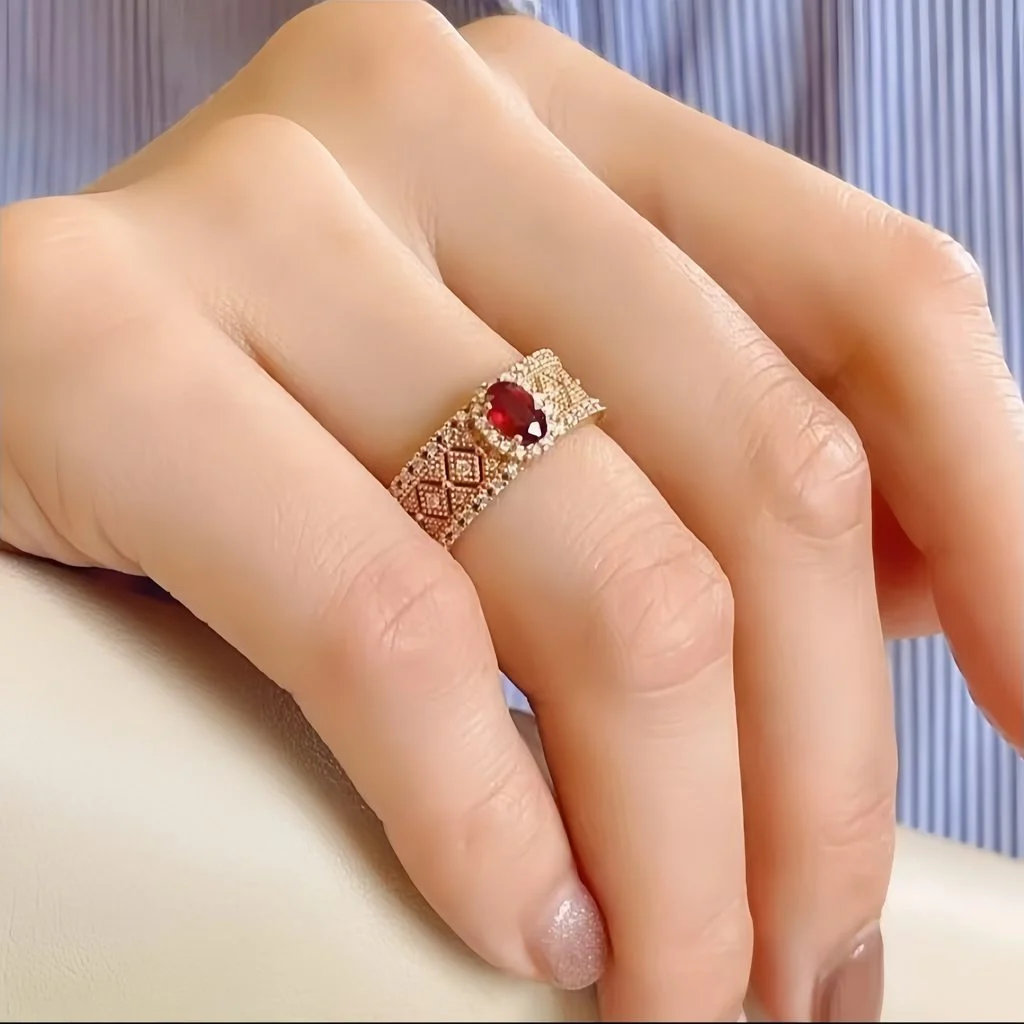
Q: Are lab-grown diamonds more affordable than mined diamonds?
A: Yes. Lab-grown diamonds typically cost 30 to 70 percent less than mined diamonds of comparable quality, making them an excellent value for buyers in the US and Europe.

Final Thoughts

A square halo blue diamond ring is more than just jewelry. It is a statement of modern elegance, individuality, and responsible choice. The square cut offers a bold, architectural alternative to traditional round diamonds, while the full halo setting maximizes brilliance and visual presence. Set in S925 sterling silver with a lab-grown royal blue diamond, this ring delivers beauty, value, and peace of mind. Explore our full collection of lab-grown diamond jewelry at Maison Elara & Co. That is why Complete Guide Lab-Grown Square keeps gaining attention in this category.

Related Articles

You Might Also Like

Frequently Asked Questions

Is Complete Guide Lab-grown Square worth buying?

Based on the breakdown in this article, Complete Guide Lab-grown Square offers a strong mix of craftsmanship, stone quality and price. If the style matches what you actually wear, it is a practical choice for everyday elegance or gifting.

How do I choose the right complete guide lab-grown square for my needs?

Start with the style you will really wear, then compare the stones (color, clarity, cut and carat), the metal type and the sizing options covered above. The right complete guide lab-grown square balances quality with your everyday look.

Are the stones in complete guide lab-grown square real?

Yes. Lab-grown stones are genuine gemstones created above ground with the same chemical, optical and physical properties as mined ones — usually at a lower price and with a smaller environmental footprint.

What if my complete guide lab-grown square does not fit?

Measure your finger at the end of the day when it is warmest, or check the size guide on the product page. Most rings can be resized by a local jeweler within a size or two.

Further reading: Natural Freshwater Pearl and Crystal Beaded Necklace: A Complete Guide to the Dopamine Jewelry Trend

Further reading: Multi-Layer Mother-of-Pearl Statement Necklace: Vintage Artistic Collar Styling Guide

The Complete Guide to Lab-Grown Heart-Shaped Blue Diamond Rings

A heart-shaped diamond ring is the ultimate expression of love. But when you add a stunning royal blue color and the ethical benefits of lab-grown diamond technology, you get something truly extraordinary. In this guide, we’ll walk you through everything you need to know about lab-grown heart-shaped blue diamond rings, from how to choose one to why they’re becoming the go-to choice for engagements and romantic gifts across the US and Europe. In short, Complete Guide Lab-Grown Heart-Shaped is the deciding factor for most buyers.

lab grown heart shaped blue diamond ring 8x10mm S925 sterling silver closed band

What Is a Lab-Grown Blue Diamond?

Therefore, A lab-grown blue diamond is a real diamond, not a simulant. It has the same chemical composition, physical structure, and optical properties as a mined diamond. The difference is origin. Lab diamonds are created using advanced CVD or HPHT technology that replicates the natural conditions under which diamonds form deep in the earth. The blue color comes from trace amounts of boron incorporated during the growth process, the same way nature creates blue diamonds. With a Mohs hardness of 10, lab-grown blue diamonds are just as durable and brilliant as their mined counterparts. They are ethically created, conflict-free, and environmentally responsible.

Why Choose a Heart Cut?

Moreover, The heart cut is one of the most romantic diamond shapes available. It combines the brilliance of a round cut with a distinctive, symbolic silhouette that says “love” without words. A well-cut heart diamond features 56 to 58 facets arranged to maximize light return and fire. The 8x10mm size used in our featured ring offers an excellent balance of visual presence and wearability. The heart shape also has a slimming effect on the finger, as the pointed bottom creates an elongating illusion. When choosing a heart-cut diamond, look for symmetry, a well-defined cleft at the top, and even color distribution throughout the stone.

close up detail of lab grown heart shaped blue diamond ring 8x10mm S925 sterling silver prong setting

In addition, Buying Tips: What to Look For in a Heart Blue Diamond Ring

For example, When shopping for a heart-shaped blue diamond ring, keep these key factors in mind:

Consequently, First, check the cut quality. A poorly cut heart will look dull and lifeless. Look for symmetry, a sharp cleft, and well-proportioned lobes. The 8x10mm heart cut is a popular choice because it offers excellent proportions and a substantial presence on the finger without being overwhelming.

Second Evaluate The Color

Second, evaluate the color. Blue diamonds range from light sky blue to deep royal blue. The most desirable shade is a rich, saturated royal blue that appears consistent under different lighting conditions. Avoid stones with grayish or greenish tints, which can indicate lower quality.

Third, consider the metal. S925 sterling silver is an excellent choice for blue diamonds because its cool, bright tone complements the blue color beautifully. It is also hypoallergenic, nickel-free, and more affordable than white gold or platinum.

Fourth, decide on the band type. A closed band offers a traditional, secure fit. If you are buying as a gift and are unsure of the recipient’s exact ring size, an adjustable open band might be a safer choice. However, for engagements and special occasions, a closed band provides a more classic, polished look.

Finally, always ask about the diamond’s origin. A reputable seller should clearly state whether the diamond is lab-grown, provide information about the growth method (CVD or HPHT), and confirm that it is conflict-free.

Lab-Grown vs. Natural vs. Simulant Diamonds

Many Buyers Confuse Lab-grown Diamonds With Diamond

Many buyers confuse lab-grown diamonds with diamond simulants like cubic zirconia or moissanite. This is an important distinction. Lab-grown diamonds are real diamonds, period. They are chemically, physically, and optically identical to mined diamonds. Simulants, on the other hand, are made of completely different materials that merely look like diamonds. CZ scratches easily, moissanite has a different refractive index, and neither has the durability or value retention of a real diamond. When you buy a lab-grown blue diamond ring, you are getting a genuine diamond that will last a lifetime.

Our Featured Pick: Heart-Shaped Blue Diamond Ring

wearing lab grown heart shaped blue diamond ring 8x10mm S925 sterling silver on hand model

If you’re looking for the perfect heart-shaped blue diamond ring, our featured pick from Maison Elara & Co checks every box. Here’s what makes it special:

The center stone is an 8x10mm lab-grown blue diamond in a classic heart cut. The royal blue color is rich and saturated, catching light beautifully from every angle. It is set in premium S925 sterling silver with a high-polish finish that enhances the diamond’s cool blue tone. The closed band design provides a secure, traditional fit. The prong setting allows maximum light to enter the diamond, enhancing its natural brilliance and fire.

This ring is perfect for engagements, promise rings, anniversary gifts, and Valentine’s Day. The heart shape speaks directly to the heart, while the blue diamond adds a unique, distinctive touch that sets it apart from traditional white diamond rings. It arrives beautifully packaged, ready for gifting. You can view it at our shop.

top view flat lay lab grown heart shaped blue diamond ring 8x10mm S925 sterling silver

How to Style and Wear a Heart Blue Diamond Ring

The Heart-shaped Blue Diamond Ring Is Versatile

The heart-shaped blue diamond ring is versatile enough for both everyday wear and special occasions. For a casual look, wear it on your right hand as a statement piece paired with simple silver jewelry. For formal events, wear it on your left ring finger as an engagement or promise ring. The blue diamond pairs beautifully with both warm and cool color palettes, making it easy to style with any outfit. Consider stacking it with a simple silver band for a modern, layered look. The 8x10mm size is substantial enough to stand alone but not so large that it feels heavy or awkward on the finger.

Jewelry Care Tips

To keep your heart blue diamond ring looking its best, follow these simple care guidelines. Clean the ring regularly with warm water, mild soap, and a soft brush. Avoid harsh chemicals, ultrasonic cleaners, and steam cleaning, which can damage the silver. Store the ring separately in a soft pouch or lined jewelry box to prevent scratches. Remove the ring before swimming, exercising, or doing household chores. With proper care, your S925 sterling silver ring and lab-grown diamond will maintain their beauty for years to come.

FAQ:

Q: Is a lab-grown blue diamond a real diamond?
A: Yes. Lab-grown diamonds have the same chemical, physical, and optical properties as mined diamonds. They are genuine diamonds, not simulants like cubic zirconia or moissanite.

Q: What size is the heart diamond in this ring?
A: The featured ring has an 8x10mm heart-cut blue diamond. This is a popular size that offers excellent visual presence and comfortable wearability.

Q Will The Blue Color Fade Over

Q: Will the blue color fade over time?
A: No. The blue color in lab-grown blue diamonds comes from boron atoms incorporated into the diamond crystal structure during growth. This color is permanent and will never fade or change.

Q: Is S925 sterling silver durable enough for an engagement ring?
A: S925 sterling silver is a durable metal suitable for everyday wear. With proper care and occasional polishing, it will maintain its beauty for years. For those seeking maximum durability, platinum or white gold settings are also available.

Q: How do I know my ring size for a closed band?
A: Visit a local jeweler for a professional sizing, or use an online ring sizing guide. The closed band cannot be adjusted, so accurate sizing is important before purchase.
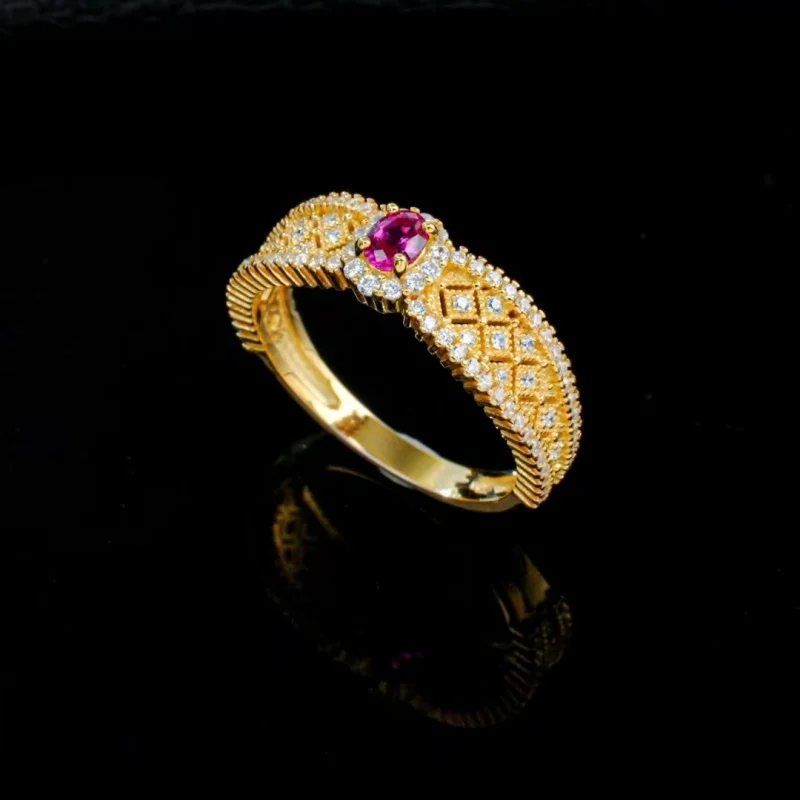
Q: Are lab-grown diamonds more affordable than mined diamonds?
A: Yes. Lab-grown diamonds typically cost 30 to 70 percent less than mined diamonds of comparable quality, making them an excellent value for buyers in the US and Europe.
Final Thoughts

A heart-shaped blue diamond ring is more than just jewelry. It is a symbol of love, individuality, and responsible choice. The 8x10mm heart cut in royal blue, set in S925 sterling silver, offers a unique alternative to traditional white diamond rings. Whether you are planning a proposal, celebrating an anniversary, or simply treating yourself, this ring delivers beauty, value, and peace of mind. Explore our full collection of lab-grown diamond jewelry at Maison Elara & Co. That is why Complete Guide Lab-Grown Heart-Shaped keeps gaining attention in this category.

Related Articles

You Might Also Like

Frequently Asked Questions

Is Complete Guide Lab-grown Heart-shaped worth buying?

Based on the breakdown in this article, Complete Guide Lab-grown Heart-shaped offers a strong mix of craftsmanship, stone quality and price. If the style matches what you actually wear, it is a practical choice for everyday elegance or gifting.

How do I choose the right complete guide lab-grown heart-shaped for my needs?

Start with the style you will really wear, then compare the stones (color, clarity, cut and carat), the metal type and the sizing options covered above. The right complete guide lab-grown heart-shaped balances quality with your everyday look.

Are the stones in complete guide lab-grown heart-shaped real?

Yes. Lab-grown stones are genuine gemstones created above ground with the same chemical, optical and physical properties as mined ones — usually at a lower price and with a smaller environmental footprint.

What if my complete guide lab-grown heart-shaped does not fit?

Measure your finger at the end of the day when it is warmest, or check the size guide on the product page. Most rings can be resized by a local jeweler within a size or two.

The Complete Guide to Lab-Grown Ruby Bow Filigree Rings

A ruby ring is one of the most romantic and timeless pieces of jewelry you can own — especially when it features a delicate bow and filigree design. The deep red of a ruby has symbolized love, passion, and vitality for thousands of years, and the bow shape adds an extra layer of romance and vintage charm. In this guide, we cover everything you need to know about lab-grown ruby bow filigree rings — from what makes a ruby special to how to choose the perfect style, and why the S925 sterling silver adjustable ring from Maison Elara & Co is our top pick for shoppers in the US and Europe. In short, Complete Guide Lab-Grown Ruby is the deciding factor for most buyers.

lab grown ruby bow filigree ring S925 sterling silver adjustable open band vintage romantic

What Is a Lab-Grown Ruby?

Therefore, A lab-grown ruby is a real ruby. It has the exact same chemical composition (aluminum oxide with chromium impurities that create the red color), the same Mohs hardness of 9, and the same physical properties as a natural mined ruby. The only difference is where it comes from.

Moreover, Instead of being extracted through mining, lab-grown rubies are created in a controlled laboratory environment. The result is a genuine ruby with a deep, saturated red color that even professional gemologists cannot distinguish from a mined one without specialized equipment.

In addition, Natural high-quality rubies are extremely rare and expensive — top-grade pigeon blood red rubies can cost thousands of dollars per carat. With lab-grown rubies, you get that same rich red color and genuine gemstone quality at a fraction of the cost. No mining, no ethical concerns, no inflated prices — just a beautiful genuine ruby at an accessible price.

For example, For shoppers in the US and Europe, this means you can own a genuine ruby ring without breaking the bank. It is the perfect choice for anyone who loves the look of fine gemstone jewelry but wants better value and ethical peace of mind.

wearing lab grown ruby bow filigree ring S925 sterling silver on hand model

Buying Tips: What to Look For

Consequently, When shopping for a ruby bow filigree ring, these are the factors that actually matter.

FeatureWhat to Look ForWhy It Matters
Ruby TypeLab-grown ruby (not glass, resin, or CZ)Real ruby has Mohs 9 hardness — durable enough for everyday wear, lasts a lifetime
Ruby ColorDeep pigeon blood redThe most desirable and valuable ruby color — rich, saturated, and eye-catching
DesignBow / ribbon settingRomantic, feminine, and timeless — adds character and personality to the ring
Band StyleFiligree / lace patternDelicate, vintage look with artisan craftsmanship — lightweight and eye-catching
MetalS925 sterling silver (92.5% pure silver)International standard for fine silver jewelry — durable, lustrous, affordable
Band TypeAdjustable open band or fixed sizeOpen band = no sizing guesswork, great for gifting. Fixed band = more traditional
FinishHigh polishMaximizes silver reflectivity and makes the ruby color pop
StyleVintage / romanticTimeless design that never goes out of style — perfect for everyday and special occasions
close up detail of lab grown ruby bow filigree ring S925 sterling silver lace pattern

Lab-Grown vs. Natural vs. Simulant Rubies

This is the question every ruby shopper faces. Here is an honest comparison.

FactorLab-Grown RubyNatural Mined RubyRuby Simulant (Glass/Resin/CZ)
Is it a real ruby?Yes — 100% real corundumYes — 100% real corundumNo — different material entirely
Mohs Hardness995-8.5
Chemical StructureAluminum oxide (same as natural)Aluminum oxideGlass / resin / cubic zirconia
Color ConsistencyExcellent — controlled growthVariable — depends on mineGood but may fade
PriceModerateVery highVery low
Ethical ConcernsNone — no miningVaries by sourceNone
Everyday DurabilityExcellent — lifetime gemstoneExcellent — lifetime gemstonePoor to fair — scratches easily, may cloud
Resale ValueModerateHigh (with certification)Minimal to none

If You Want A Real Gemstone But

If you want a real gemstone but cannot justify natural ruby prices, lab-grown is the clear winner. You get the same hardness, the same color, the same chemical composition — all at roughly 20-40% the cost of a comparable natural ruby. And unlike simulants like glass or cubic zirconia, a lab-grown ruby will never scratch easily, cloud, or lose its color over decades of wear.

side view lab grown ruby bow filigree ring S925 sterling silver band profile

Our Featured Pick: Ruby Bow Filigree Ring

The Lab-Grown Ruby Bow Filigree Ring available at maisonelar.com/shop/ brings together everything we have discussed — and does it beautifully.

The center stone is a lab-grown ruby in a rich, deep pigeon blood red. It is held in a romantic bow-shaped setting that wraps gracefully around the stone, creating a frame that draws the eye naturally to the ruby. The two loops of the bow curve elegantly on either side, adding a touch of femininity and vintage charm that you simply do not see in modern ring designs.

The band features intricate filigree work — delicate lace-like patterns of twisted and curled silver threads that create a light, airy, almost woven appearance. Filigree is an ancient jewelry technique that requires true artisan skill, and it gives this ring a level of detail and craftsmanship that sets it apart from mass-produced jewelry.

The metal is S925 sterling silver with a high-polish finish. This gives the ring a bright, warm, white-metal luster that beautifully complements the deep red ruby — the same visual effect you would get from white gold or platinum, but at a far more accessible price point.

The band is an adjustable open-size design. This is perfect for anyone who is unsure of their exact ring size, or who likes to switch the ring between different fingers. Gently squeeze the band slightly smaller or expand it slightly larger to find your perfect fit. It is also the ideal solution for gift-giving when you do not know the recipient’s exact size.

What makes this ring truly special is the combination of a genuine lab-grown ruby with a beautifully crafted bow and filigree design. Many affordable ruby alternatives use cheap glass or resin stones, but this ring features a real ruby — and a design with real personality and charm.

top view flat lay lab grown ruby bow filigree ring on beige background S925 silver

How to Style and Wear It

This ring is versatile enough for multiple occasions.

For Everyday Wear The Open Band And

For everyday wear, the open band and comfortable fit make it suitable for daily use. It is delicate enough for office wear but eye-catching enough to get compliments. Pair it with simple silver studs or a dainty silver necklace for a coordinated, feminine look.

For special occasions, the bow design and deep red ruby provide all the romance you need. It works beautifully as a promise ring, an anniversary gift, or a birthday present — especially for July birthdays, since ruby is the July birthstone. The vintage-inspired design feels thoughtful and personal, not flashy.

For stacking, the delicate filigree band pairs beautifully with other thin silver rings. Try stacking it with a simple silver band on one side and a tiny gemstone eternity band on the other for a curated, collected look.

Jewelry Care Tips

A ruby is a very hard gemstone — Mohs 9, second only to diamond. This means your ring is quite durable. However, the delicate filigree and silver metal do require some care.

Put the ring on last and take it off first — apply lotion, perfume, and makeup before wearing your ring to prevent buildup on the ruby and in the filigree crevices.

Keep it dry — remove before swimming, showering, or washing dishes. Chlorine and harsh chemicals can tarnish silver over time.

Store properly — keep the ring in a soft jewelry pouch or lined box, separate from other pieces to prevent snags on the delicate filigree.

Clean Gently Soak In Warm Water

Clean gently — soak in warm water with a drop of mild dish soap, gently brush with a soft toothbrush (pay special attention to filigree details), rinse, and pat dry with a lint-free cloth.

Polish occasionally — use a silver polishing cloth to restore shine when the metal looks dull.

Adjust with care — when adjusting the open band, bend gently and evenly. Avoid repeated bending back and forth to prevent metal fatigue.

FAQ:

Q: Is a lab-grown ruby a real ruby?
A: Yes. Lab-grown rubies have the same chemical composition (aluminum oxide), the same crystal structure, and the same physical properties as natural mined rubies. They have a Mohs hardness of 9, just like natural rubies. Even professional gemologists need specialized lab equipment to tell them apart.

Q: What is the difference between lab-grown rubies and glass or cubic zirconia?
A: Glass and cubic zirconia are ruby simulants — they may look similar but are made of completely different materials. Glass has a Mohs hardness of only 5-6, meaning it scratches very easily. A lab-grown ruby is a real gemstone with Mohs 9 hardness — durable enough for a lifetime of wear.

Q: Will the silver tarnish over time?
A: Sterling silver can tarnish when exposed to sulfur, chlorine, or moisture. However, regular wear actually slows tarnishing because body oils help keep the metal clean. A quick polish with a silver cloth every few weeks restores the original shine.

Q: What ring size do I need?
A: This ring features an adjustable open band, so one size fits most. Gently squeeze the band slightly smaller or expand it slightly larger to find your perfect fit. No need to worry about exact sizing.

Q: Can I wear this ring every day?
A: Yes. The center stone is a real ruby with Mohs 9 hardness — very durable. The S925 sterling silver setting is also durable enough for daily wear. The filigree is delicate but strong enough for regular use. With proper care, this ring will look beautiful for many years.

Q Is This Ring Suitable As A

Q: Is this ring suitable as a promise ring or engagement ring?
A: Absolutely. The bow design and ruby make it a deeply romantic choice for a promise ring or alternative engagement ring. Ruby has long been associated with love and passion, and the bow symbolizes the tying of two hearts. It is a unique and meaningful choice that stands out from traditional diamond rings.

Q: What is the July birthstone?
A: Ruby is the traditional birthstone for July. This ring makes a thoughtful and meaningful birthday gift for anyone born in July — or for anyone who simply loves the deep, passionate red of a beautiful ruby.

Q: Do you ship to the US and Europe?
A: Yes. Maison Elara & Co ships to both US and European customers. Visit maisonelar.com/shop/ for shipping details and delivery times to your region.

Q: Does the ring come with a warranty?
A: Yes, every ring from Maison Elara & Co includes a manufacturer’s warranty covering defects in materials and craftsmanship. Contact our customer service team for full warranty details.

Final Thoughts

A lab-grown ruby bow filigree ring in S925 sterling silver is a piece of jewelry with real personality. It is not just another generic ring — it has character, charm, and a romantic vintage soul. The deep red ruby is a genuine gemstone, not a cheap simulant. The bow design is feminine and timeless. The filigree band showcases real artisan craftsmanship. The sterling silver setting gives you the look of fine jewelry at an accessible price.

Whether you are shopping for a promise ring, an anniversary gift, a July birthday present, a right-hand ring, or just a well-deserved treat for yourself, this is a piece that will be worn and cherished for years. No mining, no ethical compromise, no inflated prices — just a genuinely beautiful ruby ring with real heart.

Ready to make it yours? Shop the Lab-Grown Ruby Bow Filigree Ring now at maisonelar.com/shop/. That is why Complete Guide Lab-Grown Ruby keeps gaining attention in this category.

Related Articles

You Might Also Like

Frequently Asked Questions

Is Complete Guide Lab-grown Ruby worth buying?

Based on the breakdown in this article, Complete Guide Lab-grown Ruby offers a strong mix of craftsmanship, stone quality and price. If the style matches what you actually wear, it is a practical choice for everyday elegance or gifting.

How do I choose the right complete guide lab-grown ruby for my needs?

Start with the style you will really wear, then compare the stones (color, clarity, cut and carat), the metal type and the sizing options covered above. The right complete guide lab-grown ruby balances quality with your everyday look.

Are the stones in complete guide lab-grown ruby real?

Yes. Lab-grown stones are genuine gemstones created above ground with the same chemical, optical and physical properties as mined ones — usually at a lower price and with a smaller environmental footprint.

What if my complete guide lab-grown ruby does not fit?

Measure your finger at the end of the day when it is warmest, or check the size guide on the product page. Most rings can be resized by a local jeweler within a size or two.

The Complete Guide to Lab-Grown Pear-Shaped Green Diamond Rings

A pear-shaped green diamond ring is one of the most unique and eye-catching engagement and statement ring styles available today. The teardrop shape combines the brilliance of a round cut with the elegance of a marquise, while the rich green color adds a level of sophistication and individuality that white diamonds simply cannot match. In this guide, we cover everything you need to know about lab-grown pear-shaped green diamond rings — from what makes them real diamonds to how to choose the perfect setting, and why the S925 sterling silver halo ring from Maison Elara & Co is our top pick for shoppers in the US and Europe. In short, Complete Guide Lab-Grown Pear-Shaped is the deciding factor for most buyers.

lab grown emerald green pear diamond halo ring S925 sterling silver adjustable open band

What Is a Lab-Grown Green Diamond?

Therefore, A lab-grown diamond is a real diamond. It has the exact same chemical composition — pure carbon arranged in a crystal lattice — the same Mohs hardness of 10, and the same optical properties as a natural mined diamond. The only difference is where it comes from.

Moreover, Instead of being extracted through mining, lab-grown diamonds are created in a controlled laboratory environment using either CVD (Chemical Vapor Deposition) or HPHT (High Pressure High Temperature) technology. The result is a genuine diamond that even professional gemologists cannot distinguish from a mined one without specialized equipment.

In addition, Green lab diamonds get their rich emerald green color from trace elements introduced during the growth process. This creates the same deep green hue found in natural fancy green diamonds — a color that is extremely rare and expensive in mined diamonds. With lab-grown green diamonds, you get that stunning color at a fraction of the cost.

For example, For shoppers in the US and Europe, this means you can own a genuine green diamond ring without the five- or six-figure price tag of a natural fancy green diamond. No mining, no ethical compromise, no markup from middlemen — just a real diamond at an accessible price.

wearing lab grown emerald green pear diamond halo ring S925 sterling silver on hand model

Buying Tips: What to Look For

Consequently, When shopping for a pear-shaped green diamond ring, these are the factors that actually matter.

FeatureWhat to Look ForWhy It Matters
Diamond TypeLab-grown diamond (not CZ, moissanite, or glass)Real diamond has Mohs 10 hardness — extremely scratch-resistant, lasts a lifetime
Diamond ShapePear / teardrop cutElongates the finger, appears larger than round of same carat weight, romantic silhouette
Diamond ColorEmerald / forest green (fancy color)The most desirable green diamond shade — rich, saturated, and eye-catching
Setting StyleHalo settingMakes the center stone look larger, adds extra sparkle, protects the diamond edges
MetalS925 sterling silver (92.5% pure silver)International standard for fine silver jewelry — durable, lustrous, affordable
Band TypeAdjustable open band or fixed sizeOpen band = no sizing guesswork, great for gifting. Fixed band = more traditional look
FinishHigh polishMaximizes metal reflectivity and complements the green diamond
Accent StonesHalo + pavé-set clear stonesCreates maximum sparkle and a luxurious appearance
close up detail of lab grown emerald green pear diamond halo ring S925 sterling silver milgrain detail

Lab-Grown vs. Natural vs. Simulant Diamonds

This is the question every diamond shopper faces. Here is an honest comparison.

FactorLab-Grown DiamondNatural Mined DiamondDiamond Simulant (CZ/Moissanite)
Is it a real diamond?Yes — 100% real carbon diamondYes — 100% real carbon diamondNo — different chemical composition
Mohs Hardness10108.5-9.25
Chemical StructureCrystal carbon (same as natural)Crystal carbonSilicon carbide / cubic zirconia
Color ConsistencyExcellent — controlled growthVariable — depends on mineExcellent — lab-made
PriceModerateVery highLow
Ethical ConcernsNone — no miningVaries by sourceNone
Everyday DurabilityExcellent — lifetime stoneExcellent — lifetime stoneGood — may scratch over time
Resale ValueModerateHigh (with certification)Minimal

If You Want A Real Diamond But

If you want a real diamond but cannot justify natural diamond prices, lab-grown is the clear winner. You get the same hardness, the same brilliance, the same chemical composition — all at roughly 30-50% the cost of a comparable natural diamond. And unlike simulants like cubic zirconia or moissanite, a lab-grown diamond will never cloud, scratch easily, or lose its sparkle over decades of wear.

Complete Guide Lab-Grown Pear-Shaped

Our Featured Pick: Pear-Shaped Green Diamond Halo Ring

The Lab-Grown Emerald Green Pear Diamond Halo Ring available at maisonelar.com/shop/ brings together everything we have discussed — and does it beautifully.

The center stone is a lab-grown pear-cut green diamond in rich emerald green. It is held in a classic halo setting that frames the teardrop diamond with a circle of sparkling accent stones. The halo does more than add sparkle — it creates the optical illusion of a larger center stone while also protecting the diamond’s edges. The band features delicate milgrain detailing along both edges, adding a vintage-inspired touch of elegance.

The metal is S925 sterling silver with a high-polish finish. This gives the ring a bright, cool, white-metal luster that beautifully complements the deep green diamond — the same visual effect you would get from platinum or white gold, but at a far more accessible price point.

The band is an adjustable open-size design. This is perfect for anyone who is unsure of their exact ring size, or who likes to switch the ring between different fingers. Gently squeeze the band slightly smaller or expand it slightly larger to find your perfect fit. It is also the ideal solution for gift-giving when you do not know the recipient’s exact size.

What makes this ring truly special is the combination of a genuine lab-created green diamond with a well-crafted S925 silver setting. Many affordable diamond alternatives cut corners by using CZ or glass stones, but this ring features a real lab-grown diamond at a price that is actually accessible.

side view lab grown emerald green pear diamond halo ring S925 sterling silver band milgrain

How to Style and Wear It

This ring is versatile enough for multiple occasions.

For Everyday Wear The Secure Halo Setting

For everyday wear, the secure halo setting and durable S925 silver make it suitable for daily use. The adjustable band means you can wear it on whichever finger feels most comfortable that day. Pair it with simple silver studs for a clean, coordinated look.

For special occasions, the pear shape and halo setting provide all the drama you need. The ring works beautifully as an engagement alternative to a traditional white diamond solitaire — it is a deeply personal choice that stands out without being flashy. Green diamond engagement rings are growing in popularity as more couples seek something unique and meaningful.

For stacking, the moderate profile of the setting allows you to pair it with a simple wedding band or a thin silver stacker ring on the same finger. The halo sits high enough to accommodate a flat band underneath.

top view lab grown emerald green pear diamond halo ring flat lay S925 sterling silver

Jewelry Care Tips

A diamond is the hardest natural substance on earth — Mohs 10. This means your ring is remarkably durable. However, a little care goes a long way.

Put the ring on last and take it off first — apply lotion, perfume, and makeup before wearing it to prevent buildup on the stones and metal.

Keep it dry — remove the ring before swimming, showering, or doing dishes. Chlorine and harsh chemicals can tarnish silver over time.

Store it properly — keep the ring in a soft jewelry pouch or lined box, separate from other pieces to prevent scratches.

Clean it gently — soak in warm water with a drop of mild dish soap, brush softly with a baby toothbrush (pay attention to the halo crevices), rinse, and pat dry with a lint-free cloth.

Polish occasionally — use a silver polishing cloth to restore the high-polish shine when the metal looks dull.

Adjust with care — when adjusting the open band, bend gently and evenly. Avoid repeated bending back and forth to prevent metal fatigue.

FAQ:

Q Is A Lab-grown Diamond A Real

Q: Is a lab-grown diamond a real diamond?
A: Yes. Lab-grown diamonds have the same chemical composition (pure carbon), the same crystal structure, and the same physical properties as natural mined diamonds. They have a Mohs hardness of 10, just like natural diamonds. Even professional gemologists need specialized lab equipment to tell them apart.

Q: What is the difference between lab-grown diamonds and cubic zirconia?
A: Cubic zirconia (CZ) is a diamond simulant — it looks similar but is made of a completely different material (zirconium oxide). CZ has a Mohs hardness of only 8-8.5, meaning it can scratch and cloud over time. A lab-grown diamond is a real diamond with Mohs 10 hardness — it will last forever.

Q: Will the silver tarnish over time?
A: Sterling silver can tarnish when exposed to sulfur, chlorine, or moisture. However, regular wear actually slows tarnishing because body oils help keep the metal clean. A quick polish with a silver cloth every few weeks restores the original shine.

Q: What ring size do I need?
A: This ring features an adjustable open band, so one size fits most. Gently squeeze the band slightly smaller or expand it slightly larger to find your perfect fit. No need to worry about exact sizing.

Q: Can I wear this ring every day?
A: Absolutely. The center stone is a real diamond with Mohs 10 hardness — the hardest material on earth. The S925 sterling silver setting is durable enough for daily wear. With proper care, this ring will look beautiful for many years.

Q Is The Ring Suitable For An

Q: Is the ring suitable for an engagement?
A: Yes. Lab-grown diamond engagement rings are rapidly growing in popularity as more couples seek ethical and affordable alternatives to mined diamonds. A pear-shaped green diamond engagement ring is unique, romantic, and truly memorable.

Q: What is CVD and HPHT?
A: CVD (Chemical Vapor Deposition) and HPHT (High Pressure High Temperature) are the two main methods used to grow diamonds in a lab. Both produce real, genuine diamonds that are identical to mined diamonds in every way that matters.

Q: Do you ship to the US and Europe?
A: Yes. Maison Elara & Co ships to both US and European customers. Visit maisonelar.com/shop/ for shipping details and delivery times to your region.

Q: Does the ring come with a warranty?
A: Yes, every ring from Maison Elara & Co includes a manufacturer’s warranty covering defects in materials and craftsmanship. Contact our customer service team for full warranty details.

Final Thoughts

A lab-grown pear-shaped green diamond halo ring in S925 sterling silver is the rare combination of true luxury and real value. It is a real diamond — not a simulant, not glass, not CZ. The pear cut flatters the finger. The emerald green color is stunning and unique. The halo setting adds sparkle and presence. The sterling silver setting gives you the cool, bright look of white gold or platinum at a fraction of the cost.

Whether you are shopping for an engagement ring, an anniversary gift, a right-hand ring, or a well-deserved treat for yourself, this is a piece that will be worn and cherished for years. No mining, no ethical compromise, no inflated price — just a genuinely beautiful green diamond ring.

Ready to make it yours? Shop the Lab-Grown Emerald Green Pear Diamond Halo Ring now at maisonelar.com/shop/. That is why Complete Guide Lab-Grown Pear-Shaped keeps gaining attention in this category.

Related Articles

You Might Also Like

Frequently Asked Questions

Is Complete Guide Lab-grown Pear-shaped worth buying?

Based on the breakdown in this article, Complete Guide Lab-grown Pear-shaped offers a strong mix of craftsmanship, stone quality and price. If the style matches what you actually wear, it is a practical choice for everyday elegance or gifting.

How do I choose the right complete guide lab-grown pear-shaped for my needs?

Start with the style you will really wear, then compare the stones (color, clarity, cut and carat), the metal type and the sizing options covered above. The right complete guide lab-grown pear-shaped balances quality with your everyday look.

Are the stones in complete guide lab-grown pear-shaped real?

Yes. Lab-grown stones are genuine gemstones created above ground with the same chemical, optical and physical properties as mined ones — usually at a lower price and with a smaller environmental footprint.

What if my complete guide lab-grown pear-shaped does not fit?

Measure your finger at the end of the day when it is warmest, or check the size guide on the product page. Most rings can be resized by a local jeweler within a size or two.

The Complete Guide to Lab-Grown Oval Blue Sapphire Rings

A blue sapphire ring is the kind of piece that never goes out of style. But when it is lab-grown, set in S925 sterling silver, and finished with a full pavé band, it becomes something even more special — ethical, accessible, and undeniably beautiful. This guide walks you through everything you need to know about oval blue sapphire rings, from how to choose one to why the lab-grown option from Maison Elara & Co deserves a spot on your finger. In short, Complete Guide Lab-Grown Oval is the deciding factor for most buyers.

Everything you need to know about lab-grown oval blue sapphire rings. Compare lab vs natural, buying tips, and our S925 sterling silver pave ring.

What Is a Lab-Grown Blue Sapphire?

Therefore, A lab-grown sapphire is a real sapphire — chemically, physically, and optically identical to one mined from the earth. The difference is origin. Instead of being extracted through mining, it is grown in a controlled laboratory environment using advanced crystal-growth technology.

Moreover, The result is a gemstone with the same Mohs hardness of 9, the same rich blue color, and the same brilliant light performance as a natural sapphire. In fact, lab-grown sapphires often have better clarity and more consistent color than natural stones, because the growth process eliminates the inclusions and color zoning that nature introduces.

In addition, For shoppers in the US and Europe, this means you get a genuine sapphire ring at a fraction of the cost of a mined equivalent — without any of the ethical concerns surrounding gemstone mining.

Why Choose an Oval Cut?

For example, The oval cut is one of the most popular gemstone shapes for rings, and for good reason. Its elongated silhouette creates a slimming effect on the finger, making hands look more elegant and slender. Compared to a round cut of the same carat weight, an oval appears larger because it spreads its surface area across a longer axis.

Additionally The Oval Cut Offers Excellent Light

Consequently, Additionally, the oval cut offers excellent light return. The curved facets capture and reflect light from multiple angles, giving the sapphire a lively, dynamic appearance. In deep royal blue, the oval cut produces a mesmerizing color shift — darker at the ends, brighter in the center — that draws the eye naturally to the stone.

lab grown oval blue sapphire pave ring S925 sterling silver closed band four prong setting

Buying Tips: What to Look For in a Sapphire Ring

When shopping for a blue sapphire ring, these are the specifications that actually matter.

Buying tips comparison table

FeatureWhat to Look ForWhy It Matters
Stone TypeLab-grown sapphire (not glass or CZ)Real sapphire has Mohs 9 hardness — resists scratches and lasts forever
Stone ShapeOval cutElongates the finger, appears larger than round of same carat weight
Stone ColorRoyal blue (medium to dark saturation)The most valued sapphire color — vivid, saturated, not too light or too dark
Setting StyleFour-prong solitaire + pavé bandProngs hold securely while maximizing light entry; pavé adds sparkle
MetalS925 sterling silver (92.5% pure silver)International standard for fine silver jewelry — durable, lustrous, affordable
Band TypeClosed band (fixed size)Traditional solid circle — more secure fit, more refined appearance
Accent StonesPavé-set clear stones along shouldersCreates a continuous river of sparkle that enhances the center stone
FinishHigh polishMaximizes metal reflectivity and complements the blue sapphire
side angle view lab grown oval blue sapphire pave ring S925 sterling silver four prong setting

Lab-Grown vs. Natural Sapphire: Which Should You Buy?

This is the question every sapphire shopper faces. Here is the honest comparison.

FactorLab-Grown SapphireNatural Sapphire
Chemical CompositionIdentical (Al2O3 corundum)Identical (Al2O3 corundum)
Mohs Hardness9 (same as natural)9
Color ConsistencyExcellent — controlled growthVariable — depends on mine source
ClarityTypically higher (fewer inclusions)Often has natural inclusions
PriceSignificantly lowerSignificantly higher
Ethical ConcernsNone — no miningMining impact varies by source
Resale ValueLowerHigher (branded certifications)
Everyday BeautySameSame

If you are buying a ring to wear and enjoy — not as a financial investment — lab-grown is the smart choice. You get identical beauty, better clarity, consistent color, and zero ethical baggage, all at a price that leaves room in your budget for other things.

side angle view lab grown oval blue sapphire pave ring S925 sterling silver four prong setting

Our Featured Pick: Oval Blue Sapphire Pave Ring

The Lab-Grown Oval Blue Sapphire Pave Ring available at maisonelar.com/shop/ brings together everything we have discussed — and does it beautifully.

The center stone is a lab-grown oval-cut blue sapphire in rich royal blue. It is held in a classic four-prong solitaire setting that secures the stone while allowing maximum light to enter from all sides. The pavé band is encrusted with clear accent stones along both shoulders, creating a shimmering pathway of light that frames the sapphire perfectly.

The metal is S925 sterling silver with a high-polish finish. This gives the ring a bright, cool, white-metal luster that beautifully complements the deep blue sapphire — the same visual effect you would get from platinum or white gold, but at a far more accessible price point.

The band is a closed, fixed-size design. This is the traditional way fine rings have been made for centuries — a solid, continuous circle that offers a secure fit and a more substantial feel on the finger. You will need to know your ring size, but the result is a ring that looks and feels like a true piece of fine jewelry.

lab grown oval blue sapphire pave ring S925 sterling silver on white silk fabric background bokeh

How to Wear and Style It

This ring is versatile enough for multiple occasions.

For Everyday Wear The Closed Band And

For everyday wear, the closed band and secure four-prong setting make it durable enough for daily use. The S925 silver is lightweight and comfortable. Pair it with simple silver studs or a delicate silver chain for a coordinated, understated look.

For special occasions, the pavé band and royal blue sapphire provide all the drama you need. The ring works beautifully as an engagement alternative to a traditional diamond solitaire — it is a deeply personal choice that stands out without being flashy.

For stacking, the moderate profile of the setting allows you to pair it with a simple wedding band or a thin silver stacker ring on the same finger. The pavé shoulders blend seamlessly with other textured or stone-set bands.

Caring for Your Sapphire Ring

Sapphire is one of the hardest gemstones on earth — only diamond is harder. This means your ring is remarkably durable and suitable for everyday wear. However, a little care goes a long way.

Put the ring on last and take it off first — apply lotion, perfume, and makeup before wearing it to prevent buildup on the stones and metal.

Keep it dry — remove the ring before swimming, showering, or doing dishes. Chlorine and harsh chemicals can tarnish silver over time.

Store it properly — keep the ring in a soft jewelry pouch or lined box, separate from other pieces to prevent scratches.

Clean It Gently Soak In Warm

Clean it gently — soak in warm water with a drop of mild dish soap, brush softly with a baby toothbrush, rinse, and pat dry with a lint-free cloth.

Polish occasionally — use a silver polishing cloth to restore the high-polish shine when the metal looks dull.

FAQ:

Q: Is a lab-grown sapphire a real sapphire?
A: Yes. Lab-grown sapphires have the same chemical composition (aluminum oxide, Al2O3), the same crystal structure, and the same physical properties as natural sapphires. Even gemologists need specialized lab equipment to tell them apart.

Q: Will the silver tarnish over time?
A: Sterling silver can tarnish when exposed to sulfur, chlorine, or moisture. However, regular wear actually slows tarnishing because body oils help keep the metal clean. A quick polish with a silver cloth every few weeks restores the original shine.

Q: What ring size do I need?
A: This ring features a closed (fixed-size) band, so you need to know your exact ring size before ordering. Visit a local jeweler for a free sizing, or use an online ring sizing guide. If you are between sizes, round up slightly for comfort.

Q: Can I resize the ring later?
A: Because the band is pavé-set with accent stones, resizing is more difficult than with a plain band. We recommend getting your size right the first time. If resizing is needed, consult a jeweler experienced with pavé settings.

Q Is The Ring Suitable For An

Q: Is the ring suitable for an engagement?
A: Absolutely. Blue sapphire engagement rings have a rich history — perhaps most famously, Princess Diana’s engagement ring featured a blue sapphire. An oval cut with a pavé band is a timeless, elegant alternative to a traditional diamond solitaire.

Q: How does the color compare to natural royal blue sapphires?
A: Lab-grown sapphires often have more consistent and saturated color than natural stones. The royal blue hue in this ring is vivid and even throughout — a level of color consistency that is rare and expensive in mined sapphires.

Q: Do you ship to the US and Europe?
A: Yes. Maison Elara & Co ships to both US and European customers. Visit maisonelar.com/shop/ for shipping details and delivery times to your region.

Q: Does the ring come with a warranty?
A: Yes, every ring from Maison Elara & Co includes a manufacturer’s warranty covering defects in materials and craftsmanship. Contact our customer service team for full warranty details.

Final Thoughts

A lab-grown oval blue sapphire ring in S925 sterling silver with a pavé band is the rare combination of beauty, ethics, and value. The oval cut flatters the finger. The royal blue sapphire catches light from every angle. The pavé band adds sparkle without overwhelming. The sterling silver setting gives you the cool, bright look of white gold or platinum at a fraction of the cost.

Whether you are shopping for an engagement ring, an anniversary gift, or a well-deserved treat for yourself, this is a piece that will be worn and cherished for years. No mining, no ethical compromise, no inflated price — just a genuinely beautiful sapphire ring.

Ready to make it yours? Shop the Lab-Grown Oval Blue Sapphire Pave Ring now at maisonelar.com/shop/. That is why Complete Guide Lab-Grown Oval keeps gaining attention in this category.

Related Articles

You Might Also Like

Frequently Asked Questions

Is Complete Guide Lab-grown Oval worth buying?

Based on the breakdown in this article, Complete Guide Lab-grown Oval offers a strong mix of craftsmanship, stone quality and price. If the style matches what you actually wear, it is a practical choice for everyday elegance or gifting.

How do I choose the right complete guide lab-grown oval for my needs?

Start with the style you will really wear, then compare the stones (color, clarity, cut and carat), the metal type and the sizing options covered above. The right complete guide lab-grown oval balances quality with your everyday look.

Are the stones in complete guide lab-grown oval real?

Yes. Lab-grown stones are genuine gemstones created above ground with the same chemical, optical and physical properties as mined ones — usually at a lower price and with a smaller environmental footprint.

What if my complete guide lab-grown oval does not fit?

Measure your finger at the end of the day when it is warmest, or check the size guide on the product page. Most rings can be resized by a local jeweler within a size or two.