Padparadscha sapphire is one of the rarest and most sought-after colored gemstones in the world, named after the Sinhalese word for lotus blossom. With its delicate blend of pink and orange, this stone has captivated jewelry lovers for centuries. A lab grown padparadscha sapphire ring gives you the same breathtaking color and Mohs 9 hardness without the ethical concerns or premium pricing of mined stones.
Buying Tips: What to Know Before You Shop
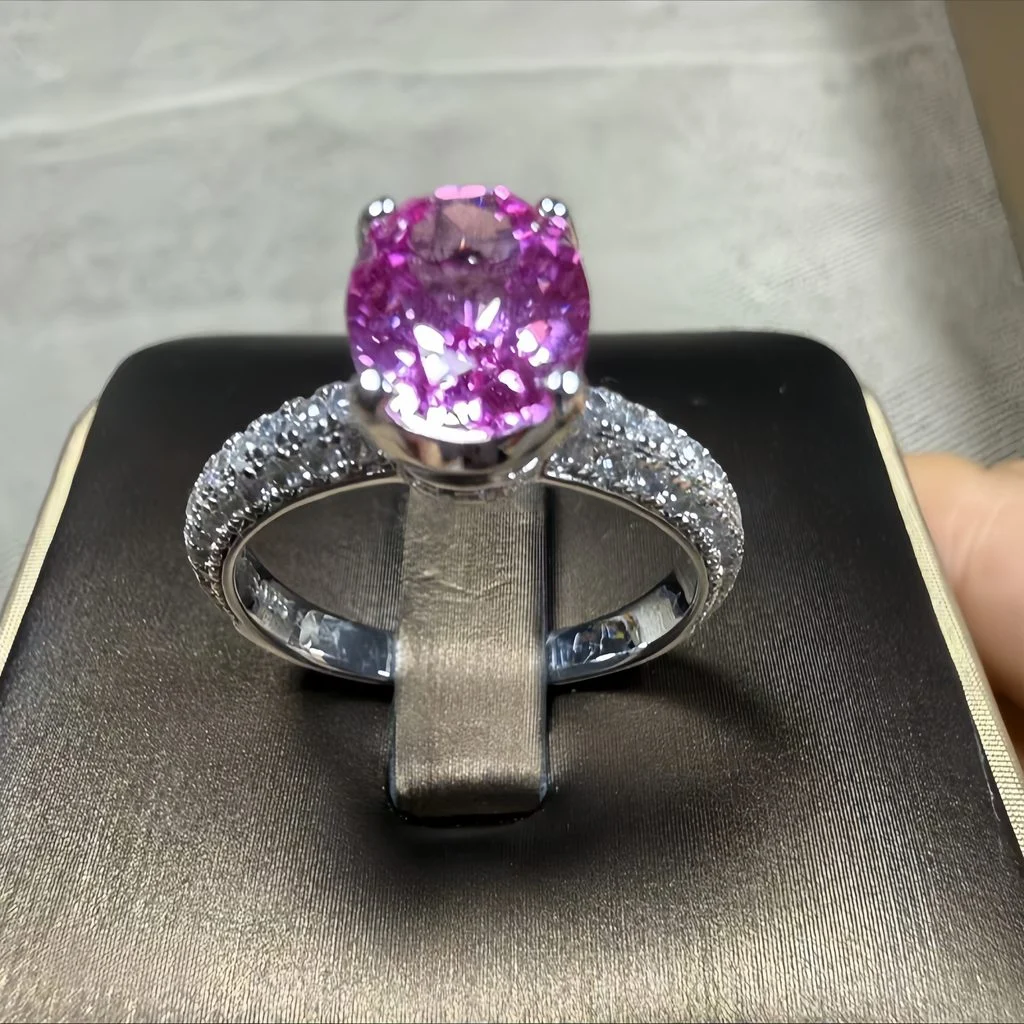
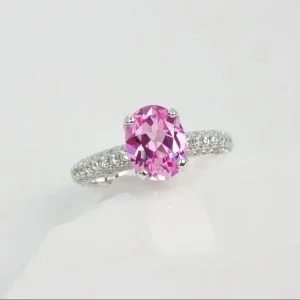
Therefore, When shopping for a padparadscha sapphire ring, color is the single most important factor. True padparadscha shows a balanced mix of pink and orange, often described as sunset, salmon, or lotus. Stones that lean too pink are classified as pink sapphire, and those too orange fall into the orange sapphire category. The lab grown padparadscha in this ring displays the classic lotus pink-orange hue, giving you the genuine padparadscha color at a fraction of the mined stone price.
Moreover, Next, consider the cut. An oval cut is the most popular shape for padparadscha because it maximizes color saturation and light return while preserving carat weight. The oval shape also elongates the finger when worn, creating an elegant, flattering silhouette. Look for a stone with minimal windowing, meaning light should reflect back through the table rather than passing straight through the bottom.
In addition, The setting metal matters more than most buyers realize. S925 sterling silver provides a bright, neutral backdrop that lets the warm pink-orange tones of the padparadscha stand on their own. White gold and platinum work similarly but at a much higher cost. Sterling silver is also hypoallergenic and nickel-free, making it suitable for sensitive skin.
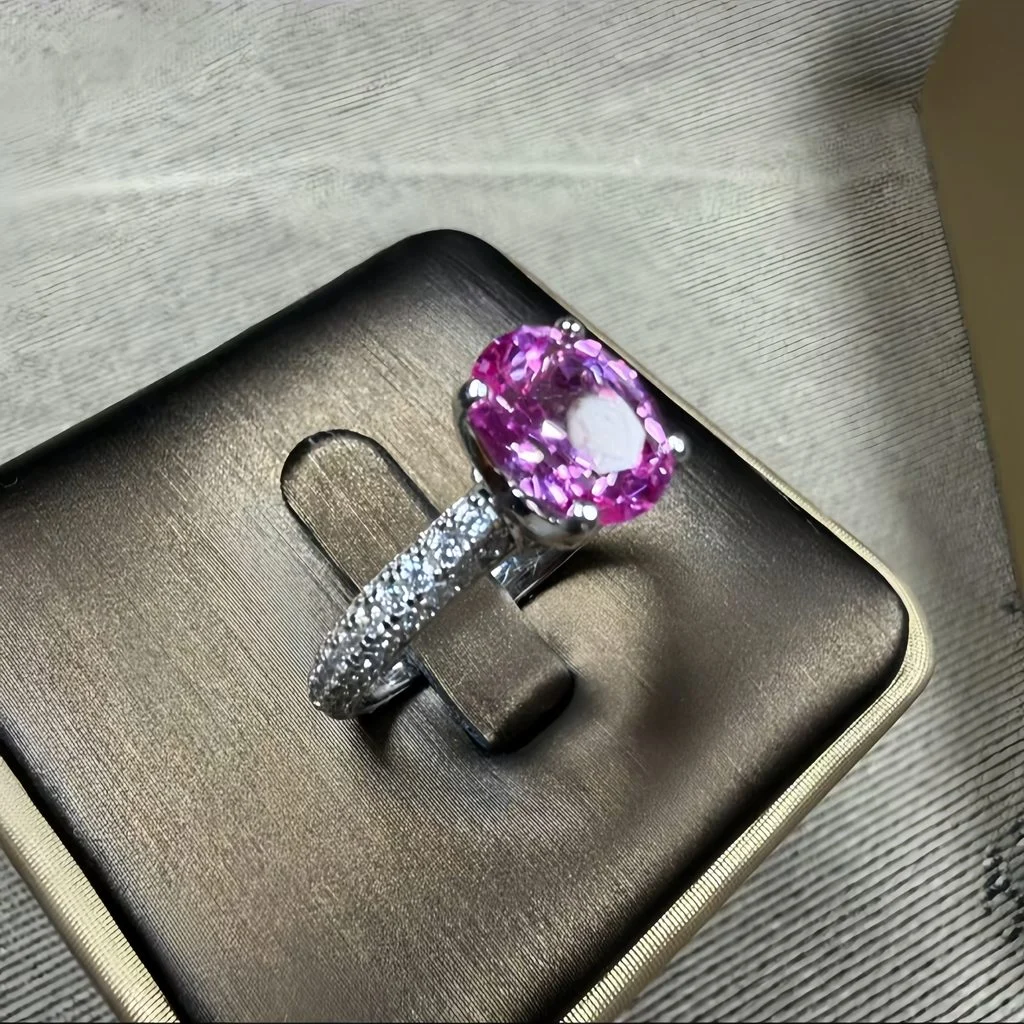
For example, Here is a quick comparison of padparadscha sapphire options to help you decide:
| Factor | Lab Grown Padparadscha | Mined Padparadscha | Mined Pink Sapphire |
|---|---|---|---|
| Color | Pink-orange, lotus hue | Pink-orange, lotus hue | Pink only, no orange |
| Hardness | 9 Mohs | 9 Mohs | 9 Mohs |
| Price Range | Affordable | Premium to ultra-premium | Moderate to high |
| Ethical Sourcing | Guaranteed conflict-free | Depends on origin | Depends on origin |
| Rarity | Lab-created, consistent supply | Extremely rare, limited supply | Rare but more available |
| Certification | Lab grown certificate | GIA or AGL report | GIA or AGL report |
| Best For | Everyday luxury, ethical buyers | Collectors, investment | Classic pink stone lovers |
How to Wear: Styling Your Padparadscha Ring
The Lotus Pink-orange Color Of Padparadscha Sapphire
Consequently, The lotus pink-orange color of padparadscha sapphire is remarkably versatile. In natural daylight, the stone leans warm and peachy, while under indoor lighting it can shift toward a softer pink. This color shift makes the ring easy to pair with both warm and cool wardrobe tones. Wear it with cream, champagne, or soft blush outfits to amplify the warm undertones, or pair it with navy and charcoal to let the pink pop.
The pavé halo setting adds extra sparkle that makes this ring suitable for both everyday wear and special occasions. The lab grown diamond accents along the band catch light from every angle, so the ring photographs beautifully for engagement announcements, anniversary posts, or social media content.
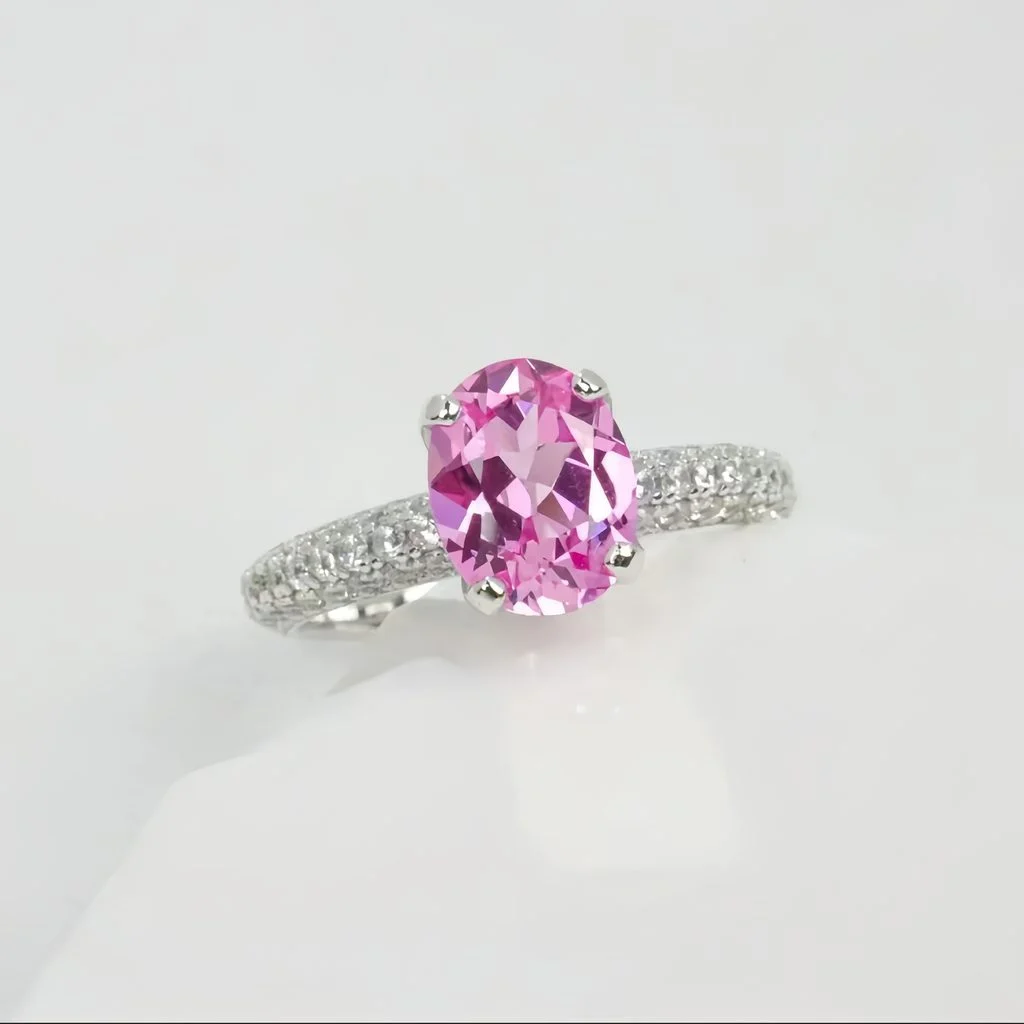
For ring sizing, this is a closed band design, meaning the size is fixed and cannot be adjusted after purchase. Measure your finger accurately before ordering. If you are between sizes, round up to the nearest half size for comfort. The closed band construction actually adds structural integrity, making the ring more durable than open-band adjustable styles over years of daily wear.
Care and Maintenance
Padparadscha sapphire ranks 9 on the Mohs hardness scale, second only to diamond. This makes it suitable for daily wear with minimal risk of scratching. However, the S925 sterling silver band will naturally develop a patina over time. To keep your ring looking its best, follow these care steps:
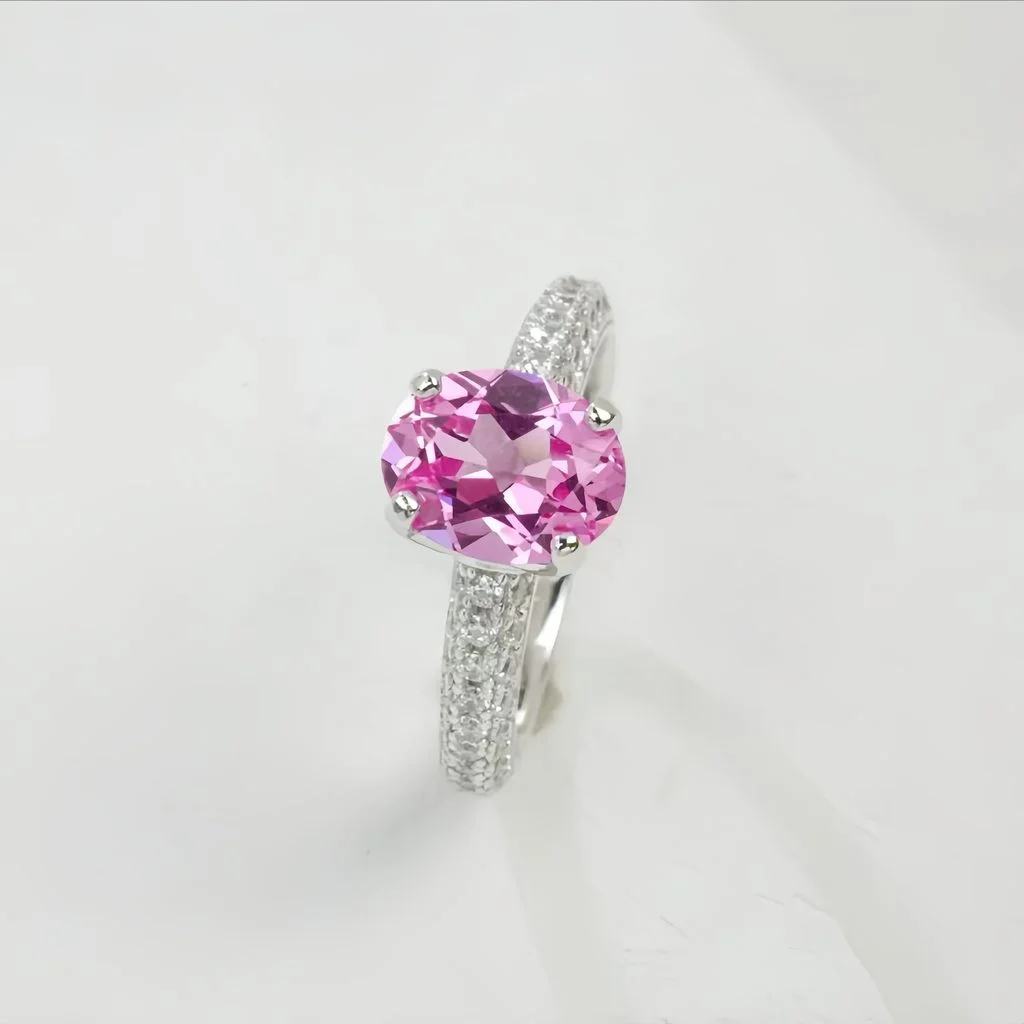
Clean the ring every two weeks with warm soapy water and a soft-bristled brush. Gently scrub around the pavé settings to remove lotion and oil buildup that can dull the accent stones. Rinse thoroughly and dry with a microfiber cloth. Avoid ultrasonic cleaners if the pavé stones are very small, as vibrations can loosen delicate settings over time.
Store The Ring Separately In A Soft
Store the ring separately in a soft pouch or lined jewelry box. Sterling silver should not contact other metals, as this accelerates tarnishing. If the silver does tarnish, use a silver polishing cloth to restore the shine. Never use liquid silver dips on a ring with pavé stones, as the chemicals can seep under the settings and damage the adhesive or prongs.
[IMAGE 5: Insert top-down flat lay image here – full ring showing halo and band from above]
FAQ:
Q: What makes padparadscha sapphire different from a regular pink sapphire? A: Padparadscha sapphire must display a balanced mix of pink and orange in the same stone. If the color is purely pink with no orange component, it is classified as pink sapphire. The lotus blossom color blend is what gives padparadscha its unique identity and higher value.
Q: Is a lab grown padparadscha sapphire a real sapphire? A: Yes. Lab grown sapphires have the same chemical composition, crystal structure, hardness, and optical properties as mined sapphires. The only difference is origin. Lab grown stones are created in controlled environments rather than extracted from the earth.
Q: Can I wear this ring every day? A: Yes. With a Mohs hardness of 9, the padparadscha sapphire is durable enough for daily wear. The S925 sterling silver band is sturdy, and the closed band design adds structural strength. Just remove the ring before swimming, heavy lifting, or using harsh chemicals.
Q Will The Silver Band Tarnish Over
Q: Will the silver band tarnish over time? A: Sterling silver naturally develops a patina with exposure to air and skin oils. This is normal and can be easily removed with a silver polishing cloth. Regular cleaning every two weeks keeps the metal bright and the pavé stones sparkling.
Q: How does the color look in different lighting? A: Padparadscha sapphire is known for its subtle color shift. In natural daylight, expect warmer peachy-pink tones. Under incandescent or warm indoor lighting, the color may lean softer pink. This chameleon quality is part of what makes padparadscha so prized among gem collectors.
Q: Is this ring suitable as an engagement ring? A: Absolutely. Padparadscha sapphire engagement rings have grown in popularity as couples seek alternatives to traditional diamond solitaires. The lotus color symbolizes new beginnings, and the pavé halo setting gives the ring a luxurious, romantic presence.
Q: What is the advantage of a closed band over an adjustable open band? A: A closed band is more durable and structurally sound than an adjustable open band. Open bands can bend or lose their shape over time at the adjustment point. Closed bands maintain their form permanently, making them better suited for long-term daily wear.
Q: How do I find the right ring size for a closed band? A: Visit a jeweler to have your finger professionally measured, or use a printable ring sizer at home. Measure at room temperature, as fingers swell in heat and shrink in cold. Since the closed band cannot be resized, getting an accurate measurement before ordering is essential. That is why Lab Grown Padparadscha Sapphire keeps gaining attention in this category.
Related Articles
- Lab Grown Emerald Halo Ring: Buying Guide, Styling Tips, and FAQ
- Lab Grown Emerald Ring: Buying Guide, Styling Tips, and FAQ
- Lab Grown Pigeon Blood Ruby Diana Ring: Buying Guide, Styling Tips, and FAQ
- Lab Grown Sunflower Halo Ruby Ring: Buying Guide, Styling Tips, and FAQ
- Lab Grown Vintage Crown Emerald Ring: Buying Guide, Styling Tips, and FAQ
You Might Also Like
Frequently Asked Questions
Is Lab Grown Padparadscha Sapphire worth buying?
Based on the breakdown in this article, Lab Grown Padparadscha Sapphire offers a strong mix of craftsmanship, stone quality and price. If the style matches what you actually wear, it is a practical choice for everyday elegance or gifting.
How do I choose the right lab grown padparadscha sapphire for my needs?
Start with the style you will really wear, then compare the stones (color, clarity, cut and carat), the metal type and the sizing options covered above. The right lab grown padparadscha sapphire balances quality with your everyday look.
Are the stones in lab grown padparadscha sapphire real?
Yes. Lab-grown stones are genuine gemstones created above ground with the same chemical, optical and physical properties as mined ones — usually at a lower price and with a smaller environmental footprint.
What if my lab grown padparadscha sapphire does not fit?
Measure your finger at the end of the day when it is warmest, or check the size guide on the product page. Most rings can be resized by a local jeweler within a size or two.
📌 This article is part of our Complete S925 Sterling Silver Ring Hub — more guides and buying tips inside.
