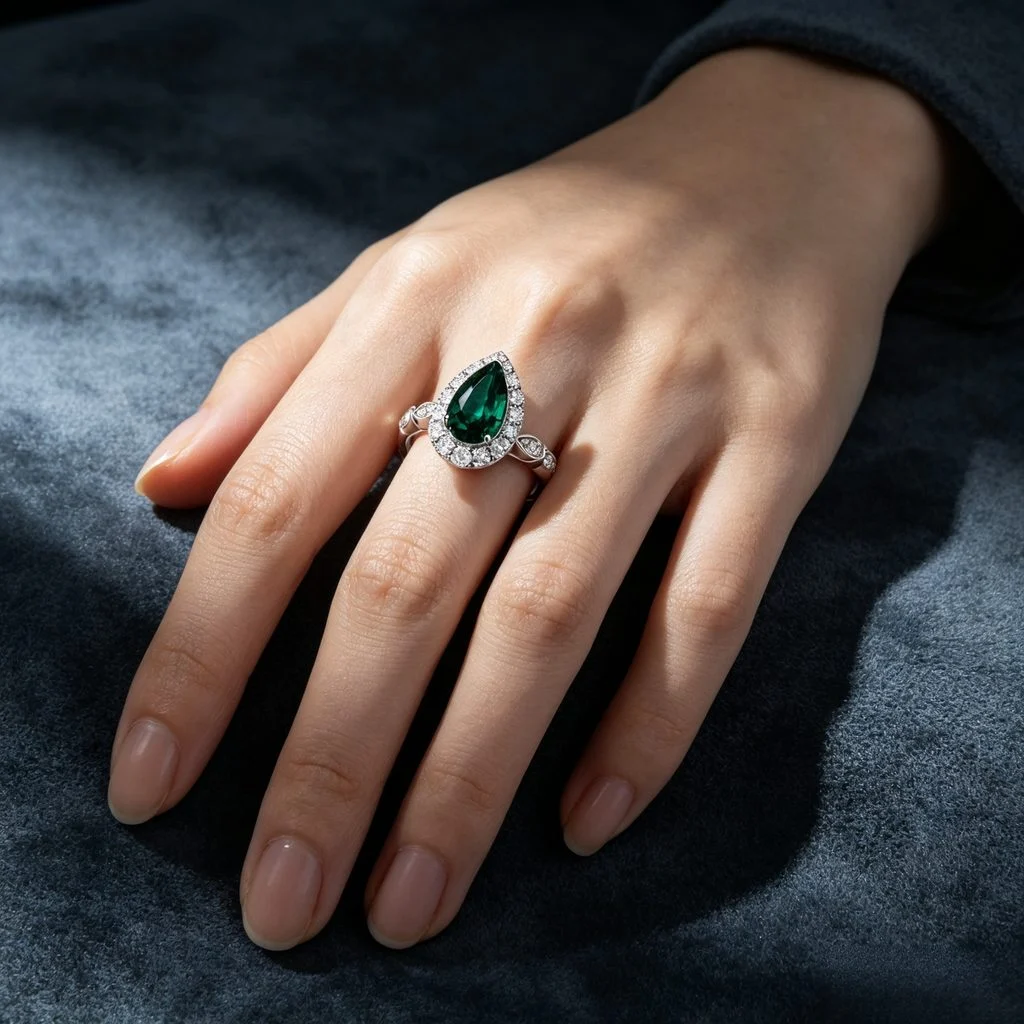
A pear-shaped green diamond ring is one of the most unique and eye-catching engagement and statement ring styles available today. The teardrop shape combines the brilliance of a round cut with the elegance of a marquise, while the rich green color adds a level of sophistication and individuality that white diamonds simply cannot match. In this guide, we cover everything you need to know about lab-grown pear-shaped green diamond rings — from what makes them real diamonds to how to choose the perfect setting, and why the S925 sterling silver halo ring from Maison Elara & Co is our top pick for shoppers in the US and Europe. In short, Complete Guide Lab-Grown Pear-Shaped is the deciding factor for most buyers.
What Is a Lab-Grown Green Diamond?
Therefore, A lab-grown diamond is a real diamond. It has the exact same chemical composition — pure carbon arranged in a crystal lattice — the same Mohs hardness of 10, and the same optical properties as a natural mined diamond. The only difference is where it comes from.
Moreover, Instead of being extracted through mining, lab-grown diamonds are created in a controlled laboratory environment using either CVD (Chemical Vapor Deposition) or HPHT (High Pressure High Temperature) technology. The result is a genuine diamond that even professional gemologists cannot distinguish from a mined one without specialized equipment.
In addition, Green lab diamonds get their rich emerald green color from trace elements introduced during the growth process. This creates the same deep green hue found in natural fancy green diamonds — a color that is extremely rare and expensive in mined diamonds. With lab-grown green diamonds, you get that stunning color at a fraction of the cost.
For example, For shoppers in the US and Europe, this means you can own a genuine green diamond ring without the five- or six-figure price tag of a natural fancy green diamond. No mining, no ethical compromise, no markup from middlemen — just a real diamond at an accessible price.
Buying Tips: What to Look For
Consequently, When shopping for a pear-shaped green diamond ring, these are the factors that actually matter.
| Feature | What to Look For | Why It Matters |
|---|---|---|
| Diamond Type | Lab-grown diamond (not CZ, moissanite, or glass) | Real diamond has Mohs 10 hardness — extremely scratch-resistant, lasts a lifetime |
| Diamond Shape | Pear / teardrop cut | Elongates the finger, appears larger than round of same carat weight, romantic silhouette |
| Diamond Color | Emerald / forest green (fancy color) | The most desirable green diamond shade — rich, saturated, and eye-catching |
| Setting Style | Halo setting | Makes the center stone look larger, adds extra sparkle, protects the diamond edges |
| Metal | S925 sterling silver (92.5% pure silver) | International standard for fine silver jewelry — durable, lustrous, affordable |
| Band Type | Adjustable open band or fixed size | Open band = no sizing guesswork, great for gifting. Fixed band = more traditional look |
| Finish | High polish | Maximizes metal reflectivity and complements the green diamond |
| Accent Stones | Halo + pavé-set clear stones | Creates maximum sparkle and a luxurious appearance |
Lab-Grown vs. Natural vs. Simulant Diamonds
This is the question every diamond shopper faces. Here is an honest comparison.
| Factor | Lab-Grown Diamond | Natural Mined Diamond | Diamond Simulant (CZ/Moissanite) |
|---|---|---|---|
| Is it a real diamond? | Yes — 100% real carbon diamond | Yes — 100% real carbon diamond | No — different chemical composition |
| Mohs Hardness | 10 | 10 | 8.5-9.25 |
| Chemical Structure | Crystal carbon (same as natural) | Crystal carbon | Silicon carbide / cubic zirconia |
| Color Consistency | Excellent — controlled growth | Variable — depends on mine | Excellent — lab-made |
| Price | Moderate | Very high | Low |
| Ethical Concerns | None — no mining | Varies by source | None |
| Everyday Durability | Excellent — lifetime stone | Excellent — lifetime stone | Good — may scratch over time |
| Resale Value | Moderate | High (with certification) | Minimal |
If You Want A Real Diamond But
If you want a real diamond but cannot justify natural diamond prices, lab-grown is the clear winner. You get the same hardness, the same brilliance, the same chemical composition — all at roughly 30-50% the cost of a comparable natural diamond. And unlike simulants like cubic zirconia or moissanite, a lab-grown diamond will never cloud, scratch easily, or lose its sparkle over decades of wear.
Our Featured Pick: Pear-Shaped Green Diamond Halo Ring
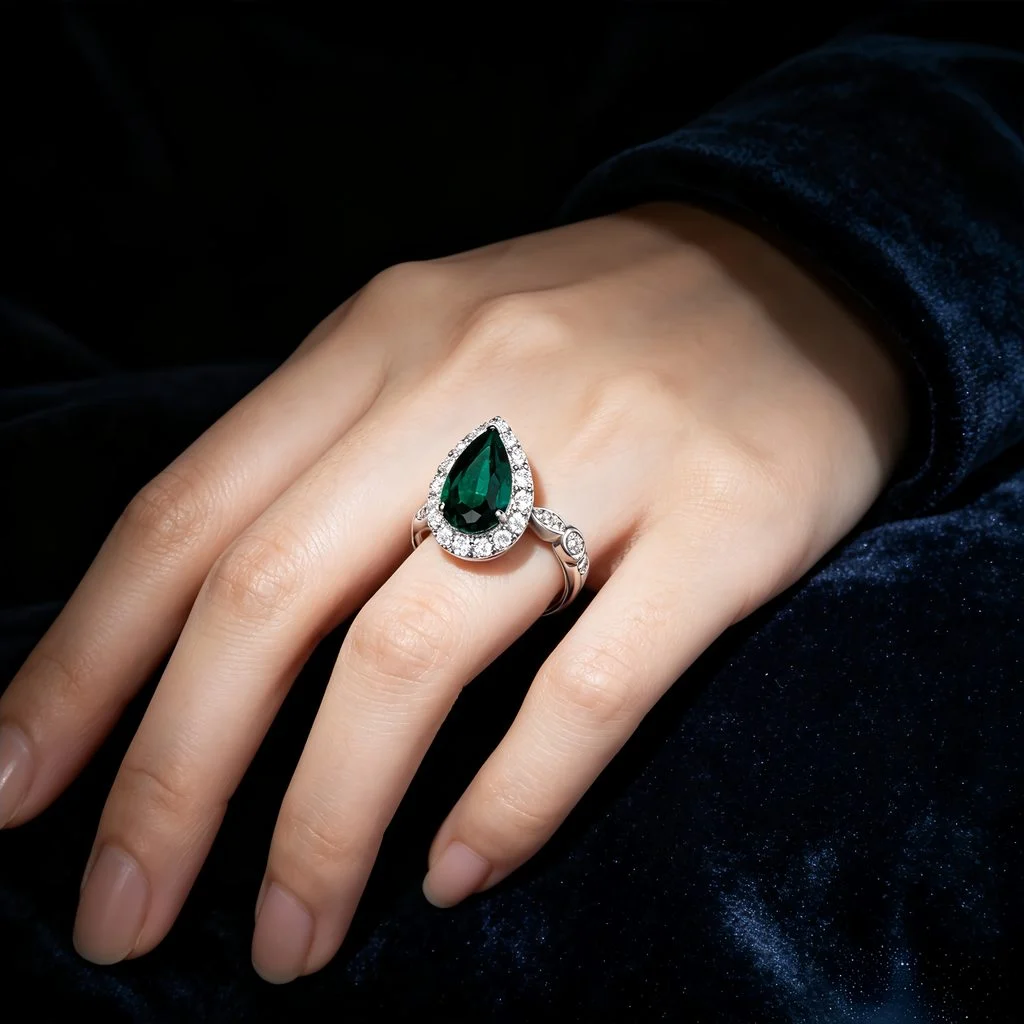
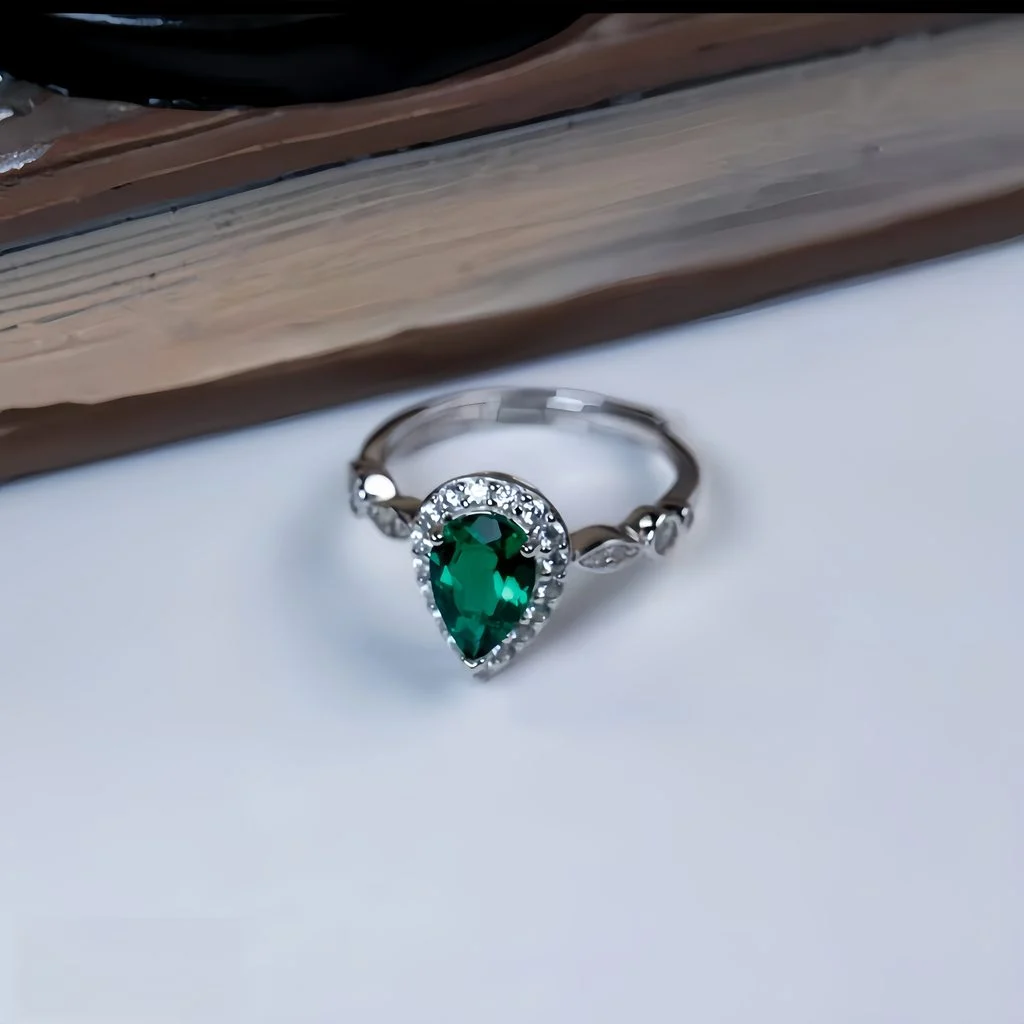
The Lab-Grown Emerald Green Pear Diamond Halo Ring available at maisonelar.com/shop/ brings together everything we have discussed — and does it beautifully.
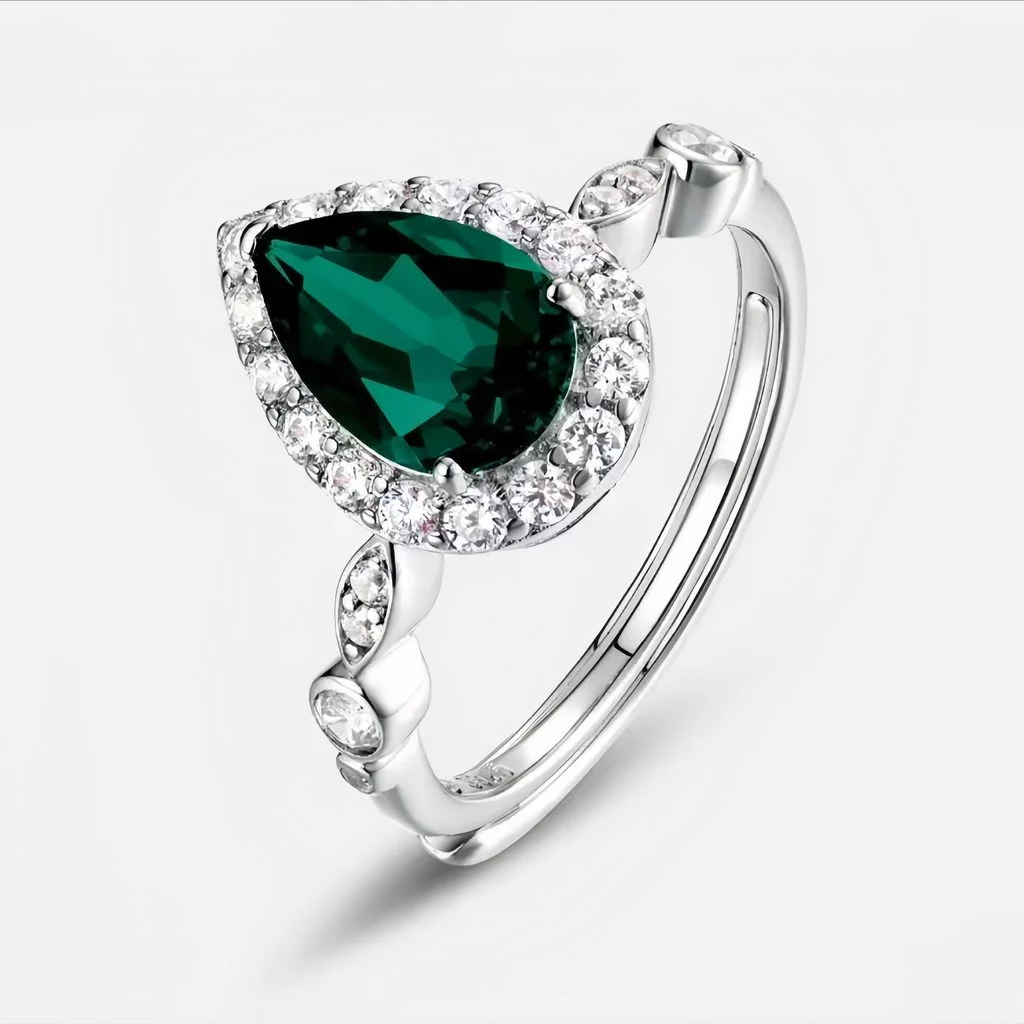
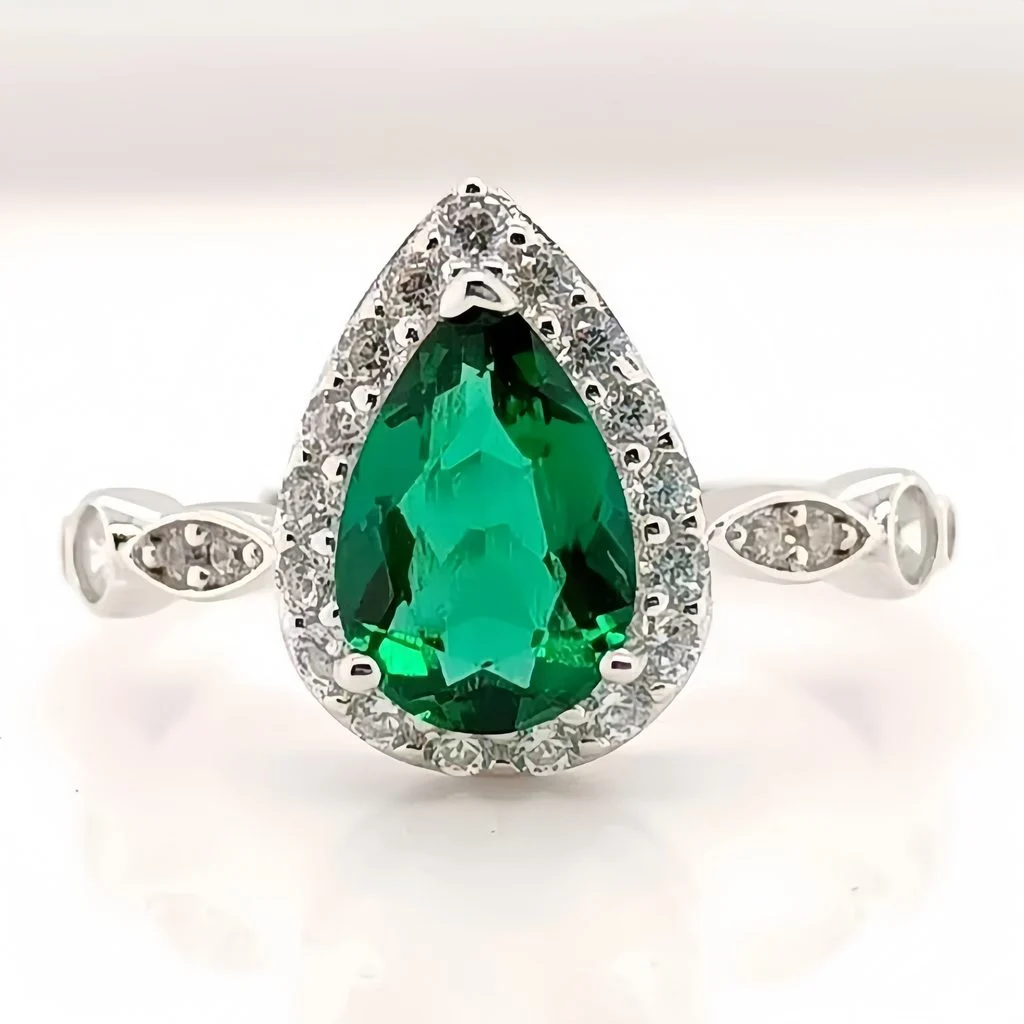
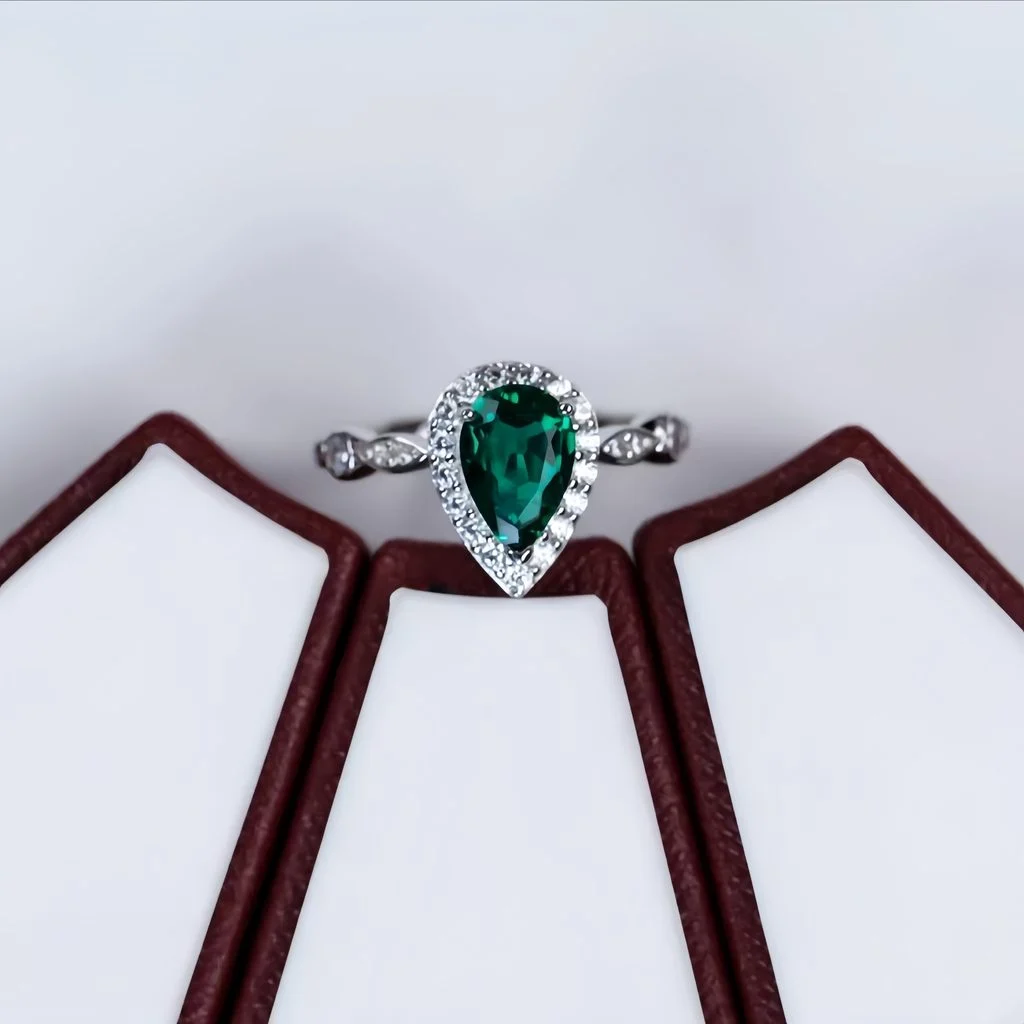
The center stone is a lab-grown pear-cut green diamond in rich emerald green. It is held in a classic halo setting that frames the teardrop diamond with a circle of sparkling accent stones. The halo does more than add sparkle — it creates the optical illusion of a larger center stone while also protecting the diamond’s edges. The band features delicate milgrain detailing along both edges, adding a vintage-inspired touch of elegance.
The metal is S925 sterling silver with a high-polish finish. This gives the ring a bright, cool, white-metal luster that beautifully complements the deep green diamond — the same visual effect you would get from platinum or white gold, but at a far more accessible price point.
The band is an adjustable open-size design. This is perfect for anyone who is unsure of their exact ring size, or who likes to switch the ring between different fingers. Gently squeeze the band slightly smaller or expand it slightly larger to find your perfect fit. It is also the ideal solution for gift-giving when you do not know the recipient’s exact size.
What makes this ring truly special is the combination of a genuine lab-created green diamond with a well-crafted S925 silver setting. Many affordable diamond alternatives cut corners by using CZ or glass stones, but this ring features a real lab-grown diamond at a price that is actually accessible.
How to Style and Wear It
This ring is versatile enough for multiple occasions.
For Everyday Wear The Secure Halo Setting
For everyday wear, the secure halo setting and durable S925 silver make it suitable for daily use. The adjustable band means you can wear it on whichever finger feels most comfortable that day. Pair it with simple silver studs for a clean, coordinated look.
For special occasions, the pear shape and halo setting provide all the drama you need. The ring works beautifully as an engagement alternative to a traditional white diamond solitaire — it is a deeply personal choice that stands out without being flashy. Green diamond engagement rings are growing in popularity as more couples seek something unique and meaningful.
For stacking, the moderate profile of the setting allows you to pair it with a simple wedding band or a thin silver stacker ring on the same finger. The halo sits high enough to accommodate a flat band underneath.
Jewelry Care Tips
A diamond is the hardest natural substance on earth — Mohs 10. This means your ring is remarkably durable. However, a little care goes a long way.
Put the ring on last and take it off first — apply lotion, perfume, and makeup before wearing it to prevent buildup on the stones and metal.
Keep it dry — remove the ring before swimming, showering, or doing dishes. Chlorine and harsh chemicals can tarnish silver over time.
Store it properly — keep the ring in a soft jewelry pouch or lined box, separate from other pieces to prevent scratches.
Clean it gently — soak in warm water with a drop of mild dish soap, brush softly with a baby toothbrush (pay attention to the halo crevices), rinse, and pat dry with a lint-free cloth.
Polish occasionally — use a silver polishing cloth to restore the high-polish shine when the metal looks dull.
Adjust with care — when adjusting the open band, bend gently and evenly. Avoid repeated bending back and forth to prevent metal fatigue.
FAQ:
Q Is A Lab-grown Diamond A Real
Q: Is a lab-grown diamond a real diamond?
A: Yes. Lab-grown diamonds have the same chemical composition (pure carbon), the same crystal structure, and the same physical properties as natural mined diamonds. They have a Mohs hardness of 10, just like natural diamonds. Even professional gemologists need specialized lab equipment to tell them apart.
Q: What is the difference between lab-grown diamonds and cubic zirconia?
A: Cubic zirconia (CZ) is a diamond simulant — it looks similar but is made of a completely different material (zirconium oxide). CZ has a Mohs hardness of only 8-8.5, meaning it can scratch and cloud over time. A lab-grown diamond is a real diamond with Mohs 10 hardness — it will last forever.
Q: Will the silver tarnish over time?
A: Sterling silver can tarnish when exposed to sulfur, chlorine, or moisture. However, regular wear actually slows tarnishing because body oils help keep the metal clean. A quick polish with a silver cloth every few weeks restores the original shine.
Q: What ring size do I need?
A: This ring features an adjustable open band, so one size fits most. Gently squeeze the band slightly smaller or expand it slightly larger to find your perfect fit. No need to worry about exact sizing.
Q: Can I wear this ring every day?
A: Absolutely. The center stone is a real diamond with Mohs 10 hardness — the hardest material on earth. The S925 sterling silver setting is durable enough for daily wear. With proper care, this ring will look beautiful for many years.
Q Is The Ring Suitable For An
Q: Is the ring suitable for an engagement?
A: Yes. Lab-grown diamond engagement rings are rapidly growing in popularity as more couples seek ethical and affordable alternatives to mined diamonds. A pear-shaped green diamond engagement ring is unique, romantic, and truly memorable.
Q: What is CVD and HPHT?
A: CVD (Chemical Vapor Deposition) and HPHT (High Pressure High Temperature) are the two main methods used to grow diamonds in a lab. Both produce real, genuine diamonds that are identical to mined diamonds in every way that matters.
Q: Do you ship to the US and Europe?
A: Yes. Maison Elara & Co ships to both US and European customers. Visit maisonelar.com/shop/ for shipping details and delivery times to your region.
Q: Does the ring come with a warranty?
A: Yes, every ring from Maison Elara & Co includes a manufacturer’s warranty covering defects in materials and craftsmanship. Contact our customer service team for full warranty details.
Final Thoughts
A lab-grown pear-shaped green diamond halo ring in S925 sterling silver is the rare combination of true luxury and real value. It is a real diamond — not a simulant, not glass, not CZ. The pear cut flatters the finger. The emerald green color is stunning and unique. The halo setting adds sparkle and presence. The sterling silver setting gives you the cool, bright look of white gold or platinum at a fraction of the cost.
Whether you are shopping for an engagement ring, an anniversary gift, a right-hand ring, or a well-deserved treat for yourself, this is a piece that will be worn and cherished for years. No mining, no ethical compromise, no inflated price — just a genuinely beautiful green diamond ring.
Ready to make it yours? Shop the Lab-Grown Emerald Green Pear Diamond Halo Ring now at maisonelar.com/shop/. That is why Complete Guide Lab-Grown Pear-Shaped keeps gaining attention in this category.
Related Articles
- Lab Grown Emerald Halo Ring: Buying Guide, Styling Tips, and FAQ
- Lab Grown Emerald Ring: Buying Guide, Styling Tips, and FAQ
- Lab Grown Vintage Crown Emerald Ring: Buying Guide, Styling Tips, and FAQ
- The Complete Guide to Lab-Grown Full Pave Blue Diamond Rings
You Might Also Like
 Natural Freshwater Pearl and Colorful Crystal Beaded Necklace – 18K Gold Plated Collar Chain Set Price range: $9.96 to $19.96
 Multi-Layer Artistic Statement Necklace with Mother-of-Pearl and Crystals – Vintage Gold and Black Collar Original price was: $120.96.$105.86Current price is: $105.86.
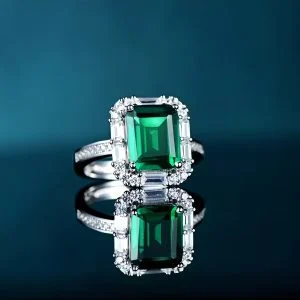 Lab Grown Emerald Halo Ring S925 Sterling Silver Adjustable Open Band Original price was: $138.96.$125.96Current price is: $125.96.
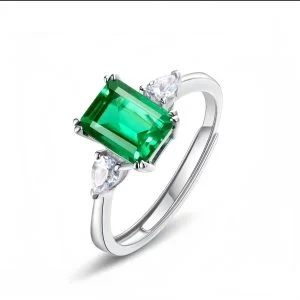 Lab Grown Emerald Three Stone Ring S925 Sterling Silver Adjustable Open Band Original price was: $116.96.$105.96Current price is: $105.96.
Frequently Asked Questions
Is Complete Guide Lab-grown Pear-shaped worth buying?
Based on the breakdown in this article, Complete Guide Lab-grown Pear-shaped offers a strong mix of craftsmanship, stone quality and price. If the style matches what you actually wear, it is a practical choice for everyday elegance or gifting.
How do I choose the right complete guide lab-grown pear-shaped for my needs?
Start with the style you will really wear, then compare the stones (color, clarity, cut and carat), the metal type and the sizing options covered above. The right complete guide lab-grown pear-shaped balances quality with your everyday look.
Are the stones in complete guide lab-grown pear-shaped real?
Yes. Lab-grown stones are genuine gemstones created above ground with the same chemical, optical and physical properties as mined ones — usually at a lower price and with a smaller environmental footprint.
What if my complete guide lab-grown pear-shaped does not fit?
Measure your finger at the end of the day when it is warmest, or check the size guide on the product page. Most rings can be resized by a local jeweler within a size or two.
📌 This article is part of our Complete Lab Grown Emerald Ring Hub — more guides and buying tips inside.
