Lab grown sapphire rings give you the colour and hardness of a natural sapphire without the mining premium, which is why they have become the sensible choice for everyday fine jewellery. This guide walks through the four decisions that actually change how the ring looks on your hand: colour, cut, metal, and fit.
What “lab grown” means for a sapphire
A lab grown sapphire is corundum – the same crystal as a mined sapphire, with the same hardness of 9 on the Mohs scale. It is grown in a controlled environment over weeks instead of forming in rock over millions of years. The result is chemically and optically identical to the mined stone, so it takes the same polish, holds the same colour saturation, and resists scratching just as well. What differs is the price: because there is no mining chain, the same budget buys noticeably more stone.
Choosing the colour
Sapphire colour is graded by hue, tone and saturation. Blue is the classic choice, but the shade matters more than people expect:
- Royal blue – deep and slightly velvety, reads as formal, works with evening and tailoring.
- Cornflower blue – lighter and brighter, easier to wear daily, especially in daylight.
- Padparadscha – the pink-orange rarity; softer and warmer, better with gold tones than with silver.
If the ring is for daily wear, mid-tones hide fingerprints and small scratches better than very dark stones.
Cut: the shape does most of the visual work
Cut decides how much light comes back out of the stone. An oval cut elongates the finger and usually looks larger than its carat weight suggests. Emerald-cut sapphires show fewer facets and more mirror-like flashes – they are elegant but reveal inclusions more easily, so clarity matters more. Round Brilliant is the safest all-rounder, and halo settings add apparent size without adding much cost.
Why S925 sterling silver settings are a smart pairing
Sterling silver (92.5% pure silver alloyed for strength) costs a fraction of gold, so more of the budget goes into the stone itself. It suits cool-toned blues particularly well. Two practical notes: silver is softer than platinum, so choose a closed bezel or a protected halo for everyday wear; and silver tarnishes slowly, which a quick wipe with a soft cloth reverses in seconds. Avoid silver pieces in chlorinated pools and hot springs.
Getting the size right
If you are buying as a gift, an adjustable band solves the sizing risk in one move. If you know the size, a closed band sits flatter and catches less on clothing. Either way, check the return window – reputable sellers accept returns within 30 days on unworn pieces.
Our picks
- Oval Blue Sapphire Pave Ring – classic cornflower tone with a pave band.
- Emerald-Cut Blue Sapphire Ring 4.2ct – the largest stone in the range, clean architectural lines.
- Sapphire Sunflower Halo Ring – petal halo for extra presence at a smaller centre stone.
- Padparadscha Halo Ring – warm pink-orange, the rarest colour in the group.
You can also compare every setting side by side in our lab grown sapphire rings collection.
Frequently asked questions
Do lab grown sapphires fade over time?
No. Corundum is colour-stable under normal wear and light exposure. Clean it with mild soap and a soft brush rather than ultrasonic cleaners if the stone has fractures.
Can you tell a lab grown sapphire from a mined one?
Not by eye. A gemmological lab identifies them by inclusion patterns under magnification.
Is a lab grown sapphire a real sapphire?
Yes – it is the same mineral with the same physical and optical properties. The difference is origin, not composition. That is why Lab Grown Sapphire Rings keeps gaining attention in this category.
Related Articles
- The Complete Guide to Lab-Grown Oval Blue Sapphire Rings
- Natural Pearl Zircon Tassel Drop Earrings, Dainty Luxury Long Dangling Earrings for Women
- Vintage Cascading Freshwater Pearl Tassel Earrings – Romantic Statement Jewelry For Weddings & Special Events
- Vintage Chinese Earrings Explained: Blue Enamel, Pearls, and How to Wear Them
- Cool-Toned Sparkle: Blue Diamond & Sapphire Rings for Every Occasion
You Might Also Like
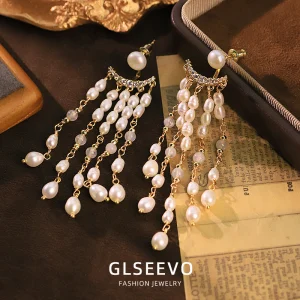 Natural Pearl Zircon Tassel Drop Earrings, Luxury Long Dangle Earrings For Women Original price was: $45.96.$35.99Current price is: $35.99.
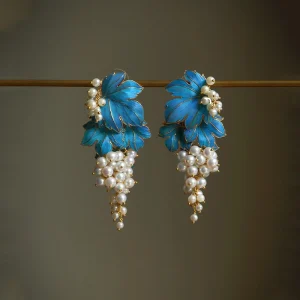 Gold Tone Blue Enamel Grape Earrings with Faux Pearl, Vintage Chinese Style Drop Earrings Original price was: $39.96.$29.99Current price is: $29.99.
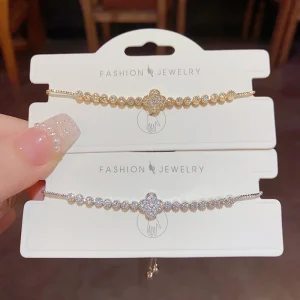 Laboratory-Grown Elegant Zircon Four-Leaf Clover Bracelet – Minimalist Sparkling Gold and Silver Women's Tennis Bracelet Original price was: $29.96.$19.99Current price is: $19.99.
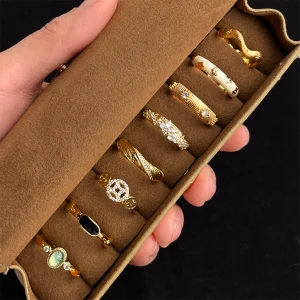 Vintage Gold Ring Set – 8 Piece Medieval Style Stackable Rings with CZ Stones Original price was: $12.96.$8.99Current price is: $8.99.